
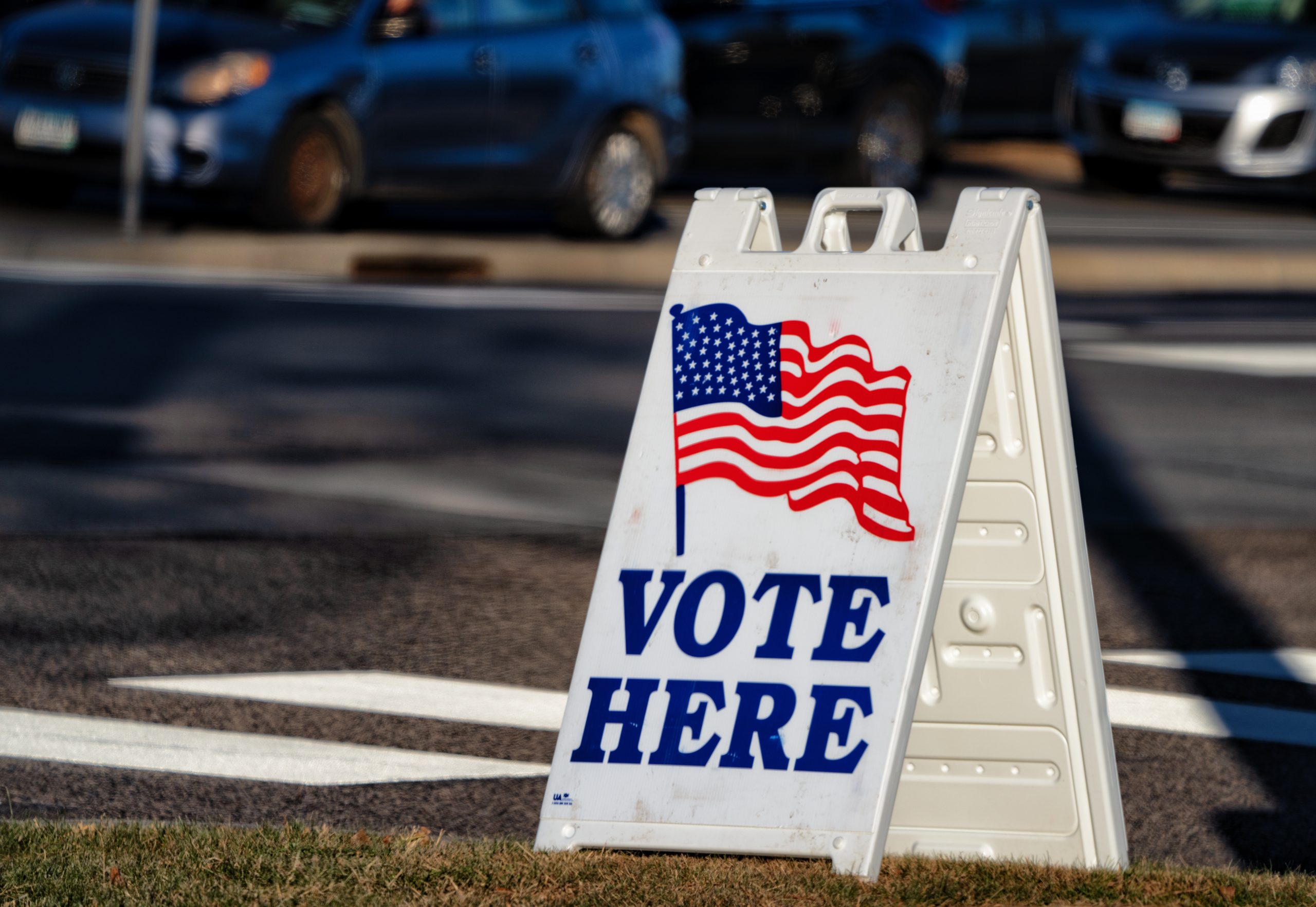
Remember, remember the fifth of November. Some Republicans, however, may prefer to forget the fourth — a date now competing with Friday the 13th in the political calendar of misfortune. Others may see an opportunity for reinvention. Even H. G. Wells might struggle to turn back that clock.
In England, they commemorate a man who tried to blow up Parliament. Across the Atlantic, American voters have just rearranged Congress without lighting a match. Democrats have captured both chambers, Donald Trump remains in the White House, and Washington faces that most peculiar democratic arrangement: a president who retains considerable power but may have lost something more valuable – the fear of those expected to obey him.
Some will cry foul. Others might reach for H. G. Wells and his Time Machine. One wonders whether Trump, given the keys, would return to November 2024, when the future looked considerably more accommodating. Or perhaps further back, to an America that exists more comfortably in nostalgia than historical fact. Unfortunately, time travel remains beyond the reach of executive orders.
The times are changing. But perhaps the greater change is that people are becoming less afraid of changing them.
Roosevelt’s Fourth Freedom – freedom from fear – may be enjoying an unexpected revival. For much of Trump’s second presidency, the perception that resistance carried consequences shaped decisions in boardrooms, universities and foreign capitals. But fear has a shelf life. Those who once worried about crossing the White House may now be calculating the consequences of having accommodated it. Suddenly, 2029 seems rather closer.
And there is another casualty of America’s electoral earthquake: the mighty data centre. The temples of artificial intelligence, once celebrated as monuments to technological progress, are discovering that voters are rather less enthusiastic about soaring electricity bills, disappearing water and industrial neighbours with an insatiable appetite for both.
The future, apparently, is welcome – provided somebody else pays the electricity bill.
Brussels, meanwhile, has its own freedom to rediscover. Europe’s proposed Fifth Freedom — the free movement of knowledge, research and innovation — is back on the political agenda. May the Force be with it. It will certainly require something approaching Jedi powers to navigate Europe’s regulatory labyrinth.
The Commission’s slimmed-down 2027 programme promises competitiveness, deregulation and economic independence. Among the regulations finally destined for extinction is one governing butter sales to the Soviet Union. The USSR collapsed in 1991. Apparently, nobody thought to inform the paperwork.
Even Wells might struggle to explain how Europe intends to prepare for 2040 while still administratively tidying up 1991. One suspects the butter has expired rather more comprehensively than the regulation.
Yet beneath the comedy lies a rather serious question. When political power changes, where does the money go? Who pays for the electricity powering artificial intelligence, the laboratories producing scientific breakthroughs and the healthcare systems expected to deliver them? The Fifth Freedom will mean little if knowledge can cross borders but innovation cannot reach patients.
Science, inconveniently, refuses to follow electoral calendars. New immunotherapies are challenging assumptions about difficult cancers. A twice-yearly HIV prevention injection could transform global access. Blood tests may bring earlier diagnosis into primary care. Yet a cyberattack can still threaten the refrigerators safeguarding donated blood.
Perhaps this is the great contradiction of our age. We have developed technologies capable of imagining tomorrow, but our institutions still struggle to finance, organise and deliver the essentials of today.
Guy Fawkes failed to destroy Parliament. American voters have shaken Washington and questioned the infrastructure of the AI revolution. Brussels is finally burying the Soviet Union, administratively speaking.
The Fourth Freedom reminds us why we should not live in fear. The Fifth reminds us why knowledge must move freely. But neither will mean much if we cannot turn scientific possibility into public benefit.
The fuse is lit. The question is whether we use the spark to illuminate the future, or simply set fire to the past.
This week, the system takes the stand
- Congress changes hands; the medical bills do not: Election results have raised hopes for Medicaid and insurance subsidies, with a presidential veto still in play.
- The pharmacy empire votes to break itself up: CVS reportedly plans to separate its drugstores from the insurance and pharmacy benefit businesses it spent years combining.
- The HIV injection gets a radically different price tag: A generic twice-yearly prevention shot has received tentative FDA approval, with a $40 annual price agreed for licensed markets.
- A stubborn cancer meets a new argument: A small colon-cancer trial found responses to preoperative immunotherapy in tumours historically resistant to standard checkpoint treatment.
- The GP’s next cancer tool may be a blood tube: More than 20,000 patients will join a trial testing whether blood tests can improve decisions about urgent investigation.
- Gene therapies face the question inside every vial: New FDA guidance asks manufacturers to build potency assurance through development, production and delivery.
- Someone tried to hack the blood fridge: A cyberattack affected cold-storage controls at French blood-bank facilities; staff protected the supplies.
- A survivor crosses the glass: Ebola survivors are helping care for isolated children when their families cannot enter the ward.
- Could bacteria guard the bloodstream? An early transplant study found fewer bloodstream infections after an experimental oral microbiome treatment.
| This is not another health news digest. It’s a twice-weekly readout of where evidence meets power and where power must turn into action. |
Congress changes hands; the medical bills do not
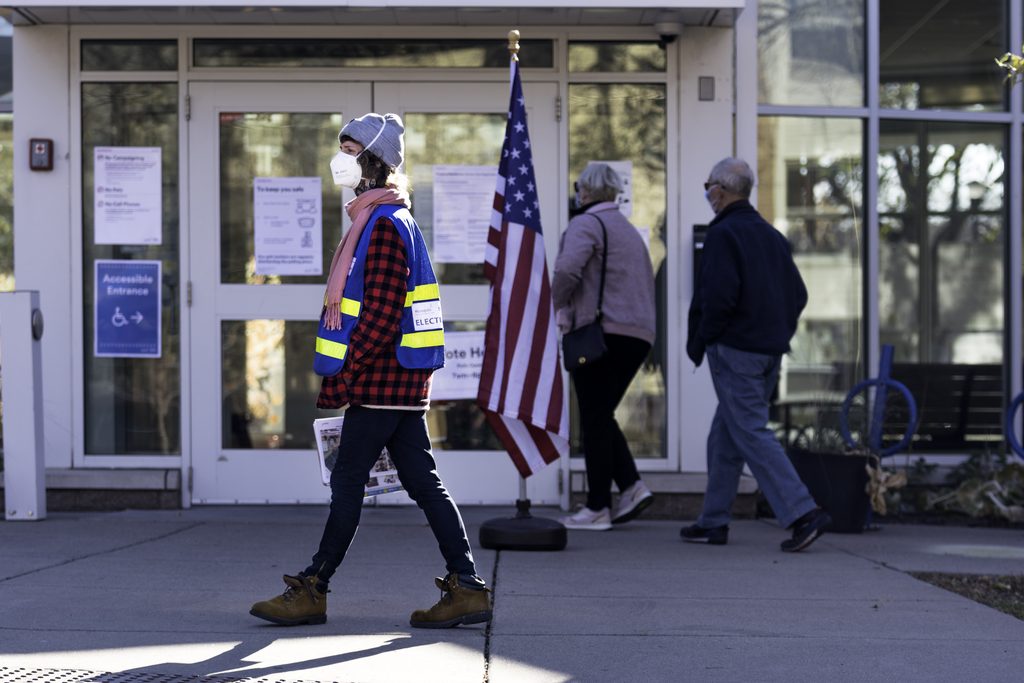
Democrats won control of both chambers of the US Congress in the midterm elections. Shares in Medicaid-focused insurers and hospital operators rose on Wednesday as investors considered whether the result might delay planned Medicaid reductions and improve the prospects for renewed Affordable Care Act premium support. (Reuters)
Wall Street can price a change of power in an afternoon. A patient cannot pay next year’s premium with a share-price chart. President Trump can veto legislation, and a Democratic Congress will have to decide which health measures it can actually pass. The election has changed who controls the agenda. It has not yet changed anyone’s coverage.
The pharmacy empire votes to break itself up
CVS Health plans to separate its retail pharmacies from a group containing Aetna, its insurance business, and Caremark, its pharmacy benefit manager, according to reporting on the company’s plans. The proposed split would reverse years of expansion built on the argument that putting more of healthcare under one roof would make it work better. (Reuters)
Patients have heard the case for integration before: a pharmacy, insurer, benefits manager and clinic sharing information to make care simpler. Now the company is making the case for separation. Investors will examine the value of two businesses; regulators will examine conflicts and competition. Patients should ask a plainer question: will filling a prescription become cheaper and easier? A corporate breakup deserves to be judged at the counter, not at the opening bell.
The HIV injection gets a radically different price tag
Dr Reddy’s has received tentative FDA approval for a generic version of twice-yearly injectable lenacapavir for HIV prevention. Under an existing agreement, the company’s product is priced at $40 per person per year for the 120 low- and middle-income countries covered by Gilead’s voluntary licence. Initial supplies are expected before the end of 2026, with broader availability planned for 2027. (CHAI)
“Tentative” matters: it is a regulatory milestone, not permission to sell the generic in the United States, and it does not put an injection in a clinic tomorrow. Countries still need the product approved, purchased and delivered, with services people can use without stigma. Yet the price changes the political argument. When a powerful prevention technology can be offered at this cost, limited access becomes harder to explain as an unavoidable fact of science.
A stubborn cancer meets a new argument
In the 56-patient phase 2 UNICORN trial, researchers tested a short course of immunotherapy before surgery for locally advanced colon cancer. Among patients whose tumours had proficient mismatch repair—a group generally resistant to conventional checkpoint inhibitors—5 of 14 given botensilimab plus balstilimab had a major pathological response. None of the 14 given botensilimab alone reached that measure. (Nature Medicine)
The result challenges a familiar boundary in precision oncology, but it does not erase it. The cohorts were small and enrolled sequentially; a response seen in tissue removed at surgery is not yet proof of longer survival or a reason to change standard treatment. The next question is whether the combination can deliver durable benefit without asking patients to carry disproportionate toxicity. A stubborn tumour has given researchers an opening. Patients need the rest of the evidence.
The GP’s next cancer tool may be a blood tube
A new trial across at least 200 GP practices in England will enrol more than 20,000 people aged 45 and over who attend with abdominal symptoms. Called STRIDE-RCT, it will test whether blood-based tools can help doctors decide who needs urgent investigation for cancers that are often difficult to recognise early. A positive blood test would prompt further assessment; it would not be a cancer diagnosis. (UK government)
Persistent bloating or discomfort can mean many things, which is precisely why the first decision is so difficult. The trial’s value lies in testing the blood tests alongside a GP’s judgement, across communities with different access to care. Earlier detection would matter enormously. So would avoiding a flood of needless referrals and false alarms. For now, the news is that a serious question is finally being tested at the point where many patients first ask it.
Gene therapies face the question inside every vial
The FDA has issued final guidance asking cell and gene therapy manufacturers to use a comprehensive strategy for assuring potency: evidence that a product can do what it is intended to do. The guidance replaces the agency’s 2011 advice and addresses the product’s journey from early development through manufacturing and delivery to a patient. (FDA)
For a medicine made from living cells or a complex genetic construct, the batch is part of the clinical promise. A convincing trial result is of limited comfort if the product delivered later cannot be shown to meet the same functional standard. This guidance is less photogenic than a breakthrough headline, but it addresses the question every patient is entitled to ask: does this particular dose have the power the evidence says it should?
Someone tried to hack the blood fridge
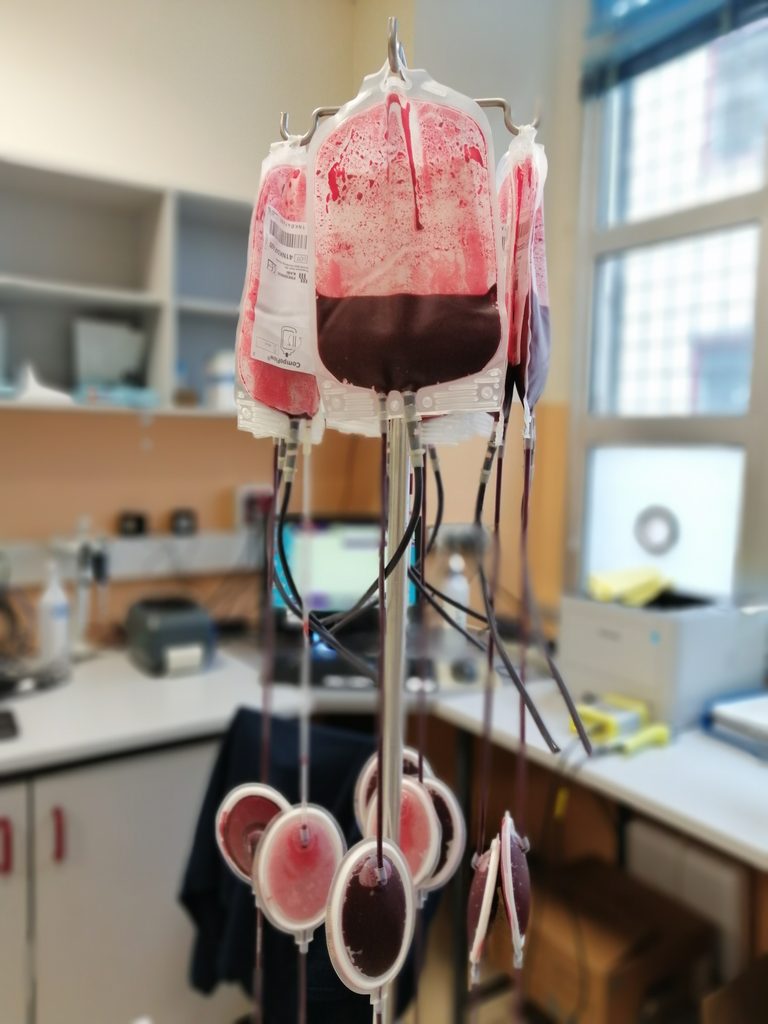
A cyberattack affected cold-storage monitoring and control systems at three regional facilities of the French Blood Establishment. Staff received alerts and moved blood to refrigerators outside the affected network. The health ministry said the situation was under control by Wednesday, and the blood service said supplies had not been damaged. (Reuters)
That successful response deserves attention. It also reveals what a modern health system has placed online: the equipment protecting a blood supply can become a target even when no hospital record is stolen. In this case, alarms, staff and an alternative place to store the blood held the line. The lesson for other services is practical and urgent: know what is connected, know how to disconnect it, and make sure someone can still act when the screen cannot.
A survivor crosses the glass
When children cry in an Ebola isolation ward in Butembo, Democratic Republic of the Congo, Jerkis Mahamba can go to them. He survived the disease himself and now works at the treatment centre where he recovered. Protective rules keep many relatives outside; some watch through a window while survivors help comfort children at the bedside. (Reuters)
A response to an outbreak needs diagnostics, protective equipment and trusted clinical care. It also needs someone a frightened child will let near them, and someone a wary community believes. Survivors are doing that work inside wards and beyond them, while facing an epidemic that has already taken thousands of lives. The glass protects families from infection. People like Mahamba help ensure it does not leave patients entirely alone.
Could bacteria guard the bloodstream?
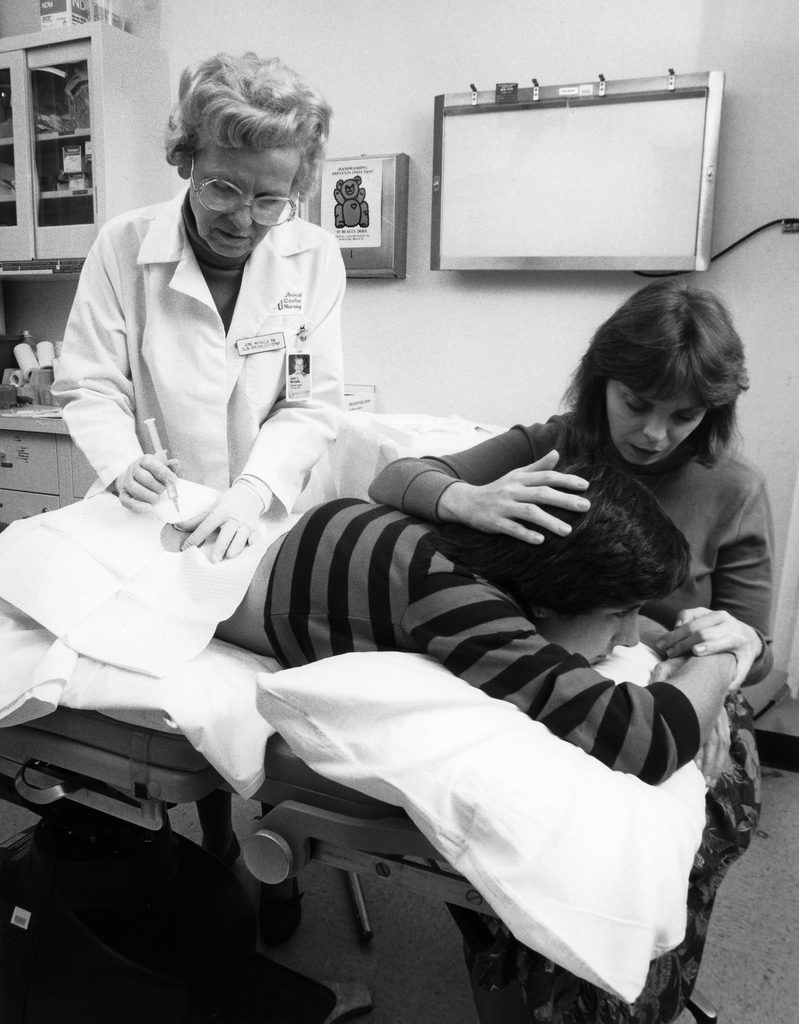
A phase 1b study tested SER-155, an experimental oral treatment containing selected bacterial strains, in adults undergoing donor stem-cell transplantation. In the small randomized cohort that went on to transplant, bloodstream infections occurred in 2 of 20 treated participants and 6 of 14 given placebo. The product’s safety profile was comparable to placebo in this study. (Nature Medicine)
Transplant care often requires a punishing bargain: suppress or replace the immune system to treat serious disease, then defend the patient against infection. Protecting the gut microbiome may become one more way to make that bargain safer. This was an early study with few participants, and other measured clinical outcomes did not show a statistically clear benefit. The infection result warrants a larger test. It is a promising signal from an unlikely guard post.
The November watch
| 5 November — Care across borders: |
| WHO launches its evidence review on primary care for migrants, refugees and displaced people. Watch whether continuity of care becomes a practical policy commitment. (WHO) |
| 5 November — Ageing is a planning decision: |
| WHO unveils a global evidence map covering housing, transport, public space and other factors that help people age well. (WHO) |
| 5–8 November — Immunotherapy’s reality check: |
| The Society for Immunotherapy of Cancer concludes its annual meeting in Phoenix. Follow the clinical data closely: response signals are exciting, but durability and toxicity decide what reaches patients. (SITC) |
| 5–12 November — Who shares the pathogen, and who gets the vaccine? |
| Negotiations continue in Geneva on the Pandemic Agreement’s pathogen access and benefit-sharing annex. The question is whether countries supplying samples will have dependable access to the resulting products. (WHO) |
| 9 November — Climate talks meet the clinic: |
| COP31 opens in Antalya. An African ministerial dialogue on climate-resilient health systems is scheduled for the first day; watch for commitments that fund adaptation where the health risks are already being felt. (UNFCCC) |
| 10 November — Health gets its own day at COP31: |
| The Health Pavilion’s dedicated day on climate-resilient and low-carbon health systems puts the discussion beside the negotiations. The test is whether health needs appear in financing decisions. (WHO) |
| 11–12 November — Leaders take the climate stage: |
| Heads of state and government gather for the COP31 World Leaders’ Summit. Listen for specific commitments on heat, disease risk and the infrastructure that keeps care running. (UNFCCC) |
Follow the last-mile conversation!
IPM Alliance tracks the decisions, bottlenecks and implementation gaps shaping personalised medicine access. Follow us for briefings, events, policy signals and practical insights from across regions and disease areas.
We want to hear from you
When a patient becomes eligible for personalised care, where does the system most often lose them: identification, testing, referral, reimbursement, delivery capacity or equity?
Know someone who should be reading this?
IPM Brief is built for people working where science, policy and patient access collide. If one colleague would find this useful, forward it to them and help bring them into the conversation.
International Alliance for Personalised Medicine
Avenue de l’Armée / Legerlaan 10, 1041 Brussels, Belgium
