

Science is moving at extraordinary speed. Politics is struggling to keep pace. And somewhere between the laboratory, the negotiating table and the hospital, the patient risks being forgotten.
Artificial intelligence is transforming scientific discovery, biotechnology is challenging conventional approaches to disease, and personalised medicine is opening possibilities unimaginable a generation ago. Yet the question is no longer simply what science can deliver. It is whether healthcare systems, governments and industry can turn those discoveries into meaningful patient benefit.
This week, the IPM Alliance is in China, supporting our Asian partner organisation and strengthening scientific, business and healthcare cooperation between China and the international community. In Changsha, the discussions extend beyond scientific breakthroughs towards a more demanding ambition: ensuring that innovation reaches patients across very different healthcare systems.
The timing is significant. China is preparing to welcome Asia-Pacific leaders to Shenzhen for the APEC summit, with trade, artificial intelligence, economic resilience and technological cooperation high on the political agenda. Against a backdrop of geopolitical tensions and growing technological competition, one question deserves greater attention: can countries compete for scientific leadership while cooperating to ensure that patients benefit from the results?
They must. And this is where geography matters.
Cancer does not recognise geopolitical boundaries. Geography and culture, however, profoundly influence how innovation reaches the patient. Infrastructure, financing, clinical practice, professional education and public trust differ from country to country. An innovation successful in Europe may require an entirely different implementation pathway in Asia, Africa or Latin America.
Science may be global, but healthcare delivery is local.
The challenge is not to impose one healthcare model on the world, but to build the partnerships, capabilities and trust that allow innovation to succeed within different cultures and healthcare systems.
This week’s Brief provides some uncomfortable illustrations. Catalonia is asking whether molecular testing actually improves treatment decisions. Industry access plans for cancer medicines are expanding, yet poorer countries remain underserved. WHO/Europe is exploring new approaches to access, while Africa is advancing pooled procurement and confronting persistent gaps in health data.
Meanwhile, Sudan, the Democratic Republic of the Congo and Indonesia remind us that scientific progress cannot compensate for failing infrastructure, insecurity or the disappearance of essential healthcare services.
These are not separate stories. They expose the distance between scientific possibility and political responsibility.
For IPM, our engagement in China reflects a wider ambition: building enduring cooperation between regions, respecting their differences and ensuring that innovation is not merely discovered, approved or celebrated, but implemented.
Governments can announce strategies. Industry can promise innovation. Scientists can deliver breakthroughs. But none of these is an outcome in itself.
The ultimate test is simpler, more demanding and far more important.
Show us the patient. Show us the access. And, above all, show us what has changed.
This week
- Catalonia has the tests. Now count the benefit. A biomarker network faces its next measure of equity.
- Cancer access plans meet the poorest-country test. Industry planning has expanded faster than its reach.
- Europe opens a room for difficult medicines. WHO convenes a new discussion on evidence, price and access.
- A rare tumour gets a treatment option. A US approval shows why patient function belongs in the evidence.
- Africa puts pooled purchasing out to bid. A procurement framework moves from ambition to supplier terms.
- Africa’s health data have a blind spot. A 40-country assessment finds serious gaps in death records and data use.
- Ebola meets the cost of lost security. Attacks in the DRC have disrupted facilities and contact tracing.
- HIV care loses its human link. A report traces the effects of aid cuts on outreach in Indonesia.
- Sudan’s power grid is a health service. Drone strikes and drought threaten water, cold storage and nutrition.
- WHO makes a political case for science. A new movement asks institutions to rebuild trust in evidence.
| This is not another health news digest. It’s a twice-weekly readout of where evidence meets power and where power must turn into action. |
Catalonia has the tests. Now count the benefit.
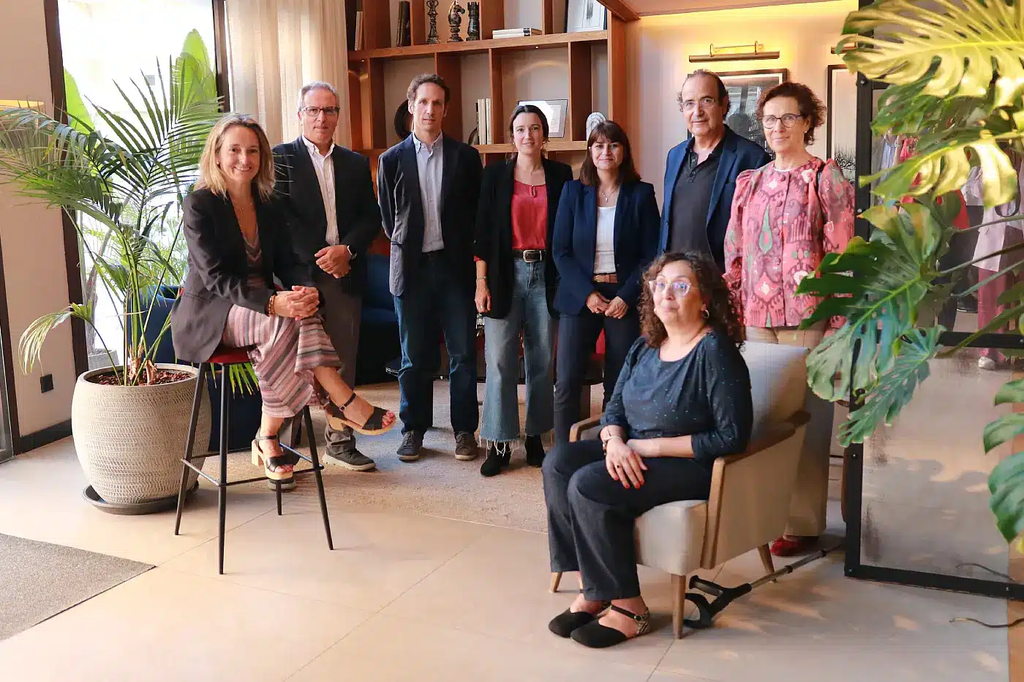
Catalonia’s precision oncology programme has designated reference centres and funded access to molecular testing across its public system. At an expert meeting reported on Wednesday, clinicians, CatSalut officials, pharmacists and a patient representative described the next problem: getting samples through the network, interpreting results together and showing that access produces useful decisions for patients. Liquid biopsy makes the stakes concrete. A test can be available, yet a delayed blood draw, poor sample transport or unclear responsibility for ordering it can hold up care. Diariofarma report · CatSalut programme
The discussion, organised by Diariofarma with Menarini Stemline’s collaboration, raised a pointed accountability issue. CatSalut’s Pilar Mur said some testing performed outside established circuits is absent from the programme’s monitoring, and called for evidence that equitable access is actually being achieved. The patient representative urged evaluation of treatment effects, toxicity and quality of life as well as test availability. For health authorities, the next dashboard needs to follow the pathway from referral and result to treatment and outcome. The meeting identified that work; it did not report completed outcome findings.
Cancer access plans meet the poorest-country test
The Access to Medicine Foundation reported on Tuesday that 65% of assessed oncology pipeline candidates now have an access plan, up from 5% in 2018. That is a substantial change in when companies begin thinking about patients beyond their initial markets. The same assessment found strategies for 74% of assessed cancer products in lower-middle-income countries, compared with 19% in low-income countries. Its strongest company examples address testing, clinical training and patient support alongside the medicine. Access to Medicine Foundation findings
A plan is an early commitment, not a count of patients treated. The Foundation says pipeline plans cover an average of five countries, often concentrating on more commercially attractive markets. It also finds that lower-income settings rely more heavily on targeted routes than routine health-system access. The pressure now falls on companies to show where registration, affordable supply and diagnostic support have begun, and on governments and payers to build routes that can keep working after a limited programme ends.
Europe opens a room for difficult medicines
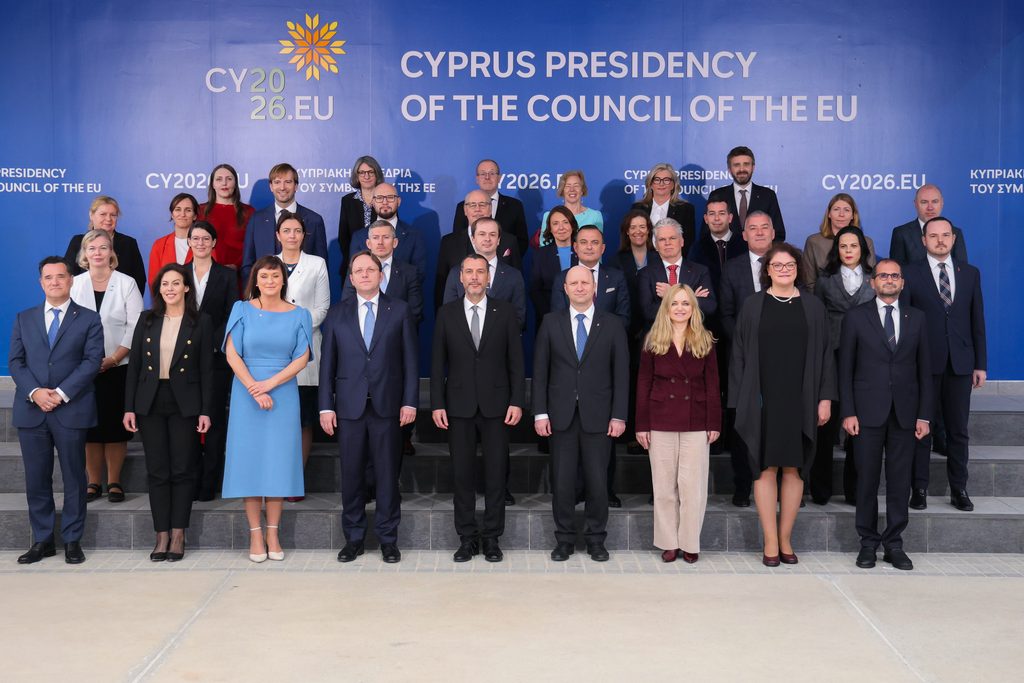
WHO/Europe announced its European Access Dialogue Platform on Tuesday, following its launch at a multistakeholder meeting on 2 November. The forum brings countries, patients, civil society and industry into structured discussions about access to novel medicines, including gene and cell therapies and rare-disease treatments. Its proposed agenda goes to the points that often stall a decision: uncertainty in the evidence, pressure on health budgets, real-world follow-up, and possible payment or procurement approaches. WHO/Europe announcement
The forum is voluntary and its outcomes are non-binding; it will not negotiate individual product deals or replace national decisions. That boundary matters. A regional conversation may help smaller markets frame shared problems and learn from one another, but patients gain access only when evidence requirements, financing and service capacity are resolved in the countries where they live. WHO says it will publish anonymised summaries of completed dialogues, giving the platform a way to show whether discussion is producing usable options.
A rare tumour gets a treatment option
The US Food and Drug Administration approved pimicotinib on Tuesday for adults with symptomatic tenosynovial giant cell tumour when surgery could worsen function or cause serious harm. In the MANEUVER trial, 56% of patients receiving the medicine had a tumour response at week 25, compared with 3.2% on placebo. The FDA also reported improvements in pain, joint movement and physical functioning. Those measures matter in a disease where the consequences of treatment can be felt in ordinary movement. FDA approval
The review involved regulators in Australia, Canada, Israel, Switzerland and the United Kingdom through Project Orbis, with the European Medicines Agency observing. The FDA approval does not itself approve the medicine in those other jurisdictions. For patients and clinicians, the decision creates a US option where surgery may carry a high functional cost; for other health systems, the next questions concern their own regulatory reviews, monitoring of adverse effects and whether the observed functional gains hold up in routine care.
Africa puts pooled purchasing out to bid
Africa CDC issued a request for bids on Wednesday for framework agreements under its African Pooled Procurement Mechanism. The list covers 172 priority products across essential medicines, diagnostics, and protective equipment or medical consumables. Agreements could support pooled orders, purchases by African Union member states, outbreak response and supply security through multiple suppliers. The initial term is two years, with a possible extension of up to three. Africa CDC procurement notice
This is a consequential move because procurement rules determine which suppliers can compete and how quickly a priority product can be bought when demand rises. The notice is directed at international manufacturers and authorised suppliers; Africa CDC says African manufacturers are covered by a separate bid. It also states that a framework agreement guarantees neither an order nor a minimum volume. The measure of success will come later: competitive supply, quality-assured products and fulfilled orders when member states need them.
Africa’s health data have a blind spot
A WHO assessment of 40 countries in its African Region was released at the Africa Health Data Forum in Nairobi. Only 19 reported notifying authorities of at least 80% of deaths; 21 reported recording a cause for at least 80% of registered deaths. At facility level, just 43% of assessed countries reported sufficient capacity to analyse health data, and 25% sufficient capacity to assess its quality. These are basic capabilities for deciding where staff, screening and treatment are needed. WHO Africa findings
The assessment was conducted in 2024, although its findings were released this week. WHO reports that 43 of the Region’s 47 member states have adopted a platform for routine digital health reporting, while only 18% of assessed countries have a dedicated health-information budget line. Nairobi’s forum is therefore facing a policy question beyond software: who pays for reliable records, checks them close to the point of care and uses them to correct missed services? A cancer registry, an outbreak alert or an equity target is only as useful as the decisions the data can support.
Ebola meets the cost of lost security
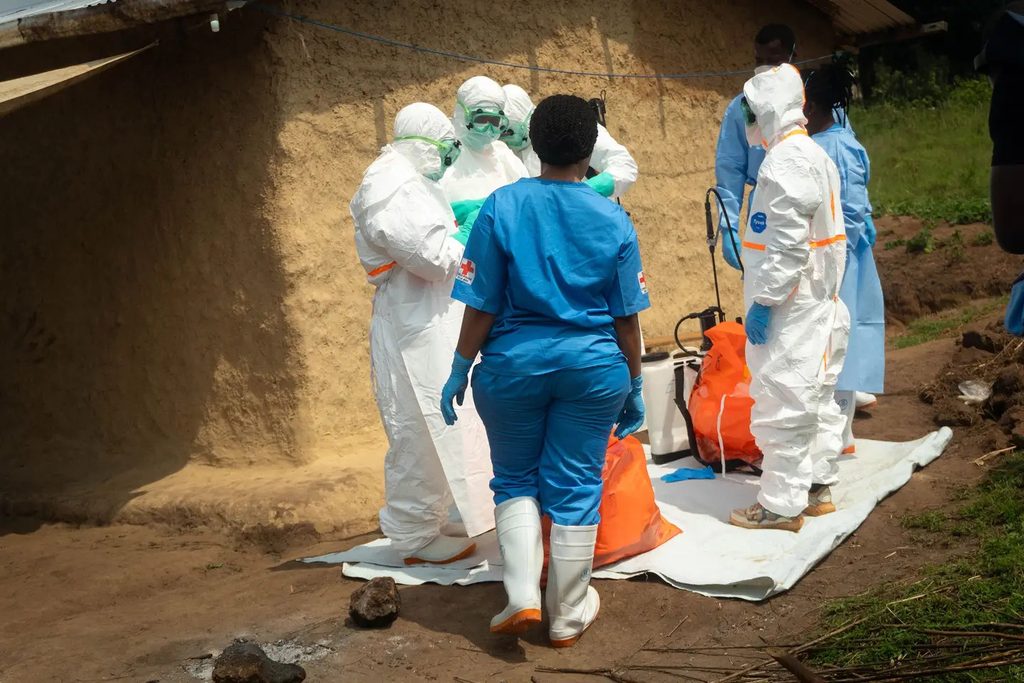
The Ebola outbreak in the Democratic Republic of the Congo remains a public health emergency of international concern. At Wednesday’s member-state briefing, WHO reported almost 11,000 confirmed cases and more than 5,300 deaths across eight provinces. It said an attack on Cantine-Aloya the previous week killed 66 civilians, including three health workers, and left three facilities looted and burned. More than 1,000 contacts were lost to follow-up and three confirmed cases were unaccounted for. WHO briefing
WHO also sees transmission slowing in some areas, while new hotspots emerge elsewhere. That uneven picture makes protection of responders an operational necessity: contact tracing cannot continue where teams cannot safely reach people, and delayed payment of frontline workers adds another threat to continuity. WHO called for secure humanitarian access, timely financing and protection of essential care alongside outbreak control. It also urged countries to lift blanket travel restrictions, which it says obstruct response work and discourage transparent reporting.
HIV care loses its human link
A Human Rights Watch report published Wednesday documents how US aid cuts have affected community HIV services for LGBT people in Indonesia. Drawing on interviews conducted in 2025 and 2026, it describes outreach workers who previously connected people to safe testing, prevention and antiretroviral treatment losing programme funding. Of eight organisations interviewed, half had been significantly affected by the USAID cuts. The report places those losses alongside discrimination and legal risks that already make seeking care difficult. Human Rights Watch investigation
The lost service is more than a clinic appointment. Outreach workers helped people navigate transport, documents, stigma and referrals; the report says some paid clients’ travel costs themselves after funding stopped. It also warns that cutting community testing weakens the ability to see whether infections are rising. The policy task for donors and Indonesian authorities is to restore dependable, confidential routes into care for the populations most exposed to HIV. Without those routes, free medicine may still be out of reach.
Sudan’s power grid is a health service
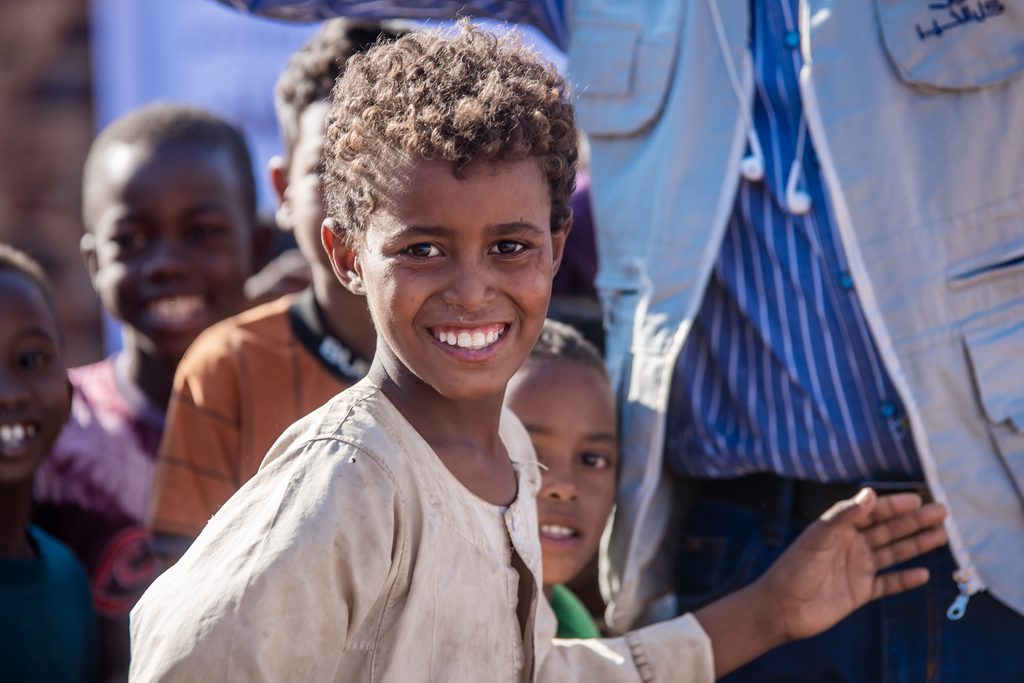
UNICEF warned this week that drone attacks on Sudan’s power stations are combining with drought to deepen children’s health risks. Its spokesperson said up to 15 power stations were struck in October and described the chain that follows a power failure: water pumps and treatment stop, vaccine and medicine cold storage is threatened, and irrigation suffers as the planting window for the next cereal harvest closes. UNICEF expects about 825,000 children under five to suffer severe acute malnutrition this year. UNICEF briefing
UNICEF says it and its partners have provided health care to more than 2.5 million people and helped keep safe water flowing to nearly 8 million, yet its Sudan response is only one-third funded. Its appeal is for an end to attacks on civilian infrastructure, safe access across conflict lines and flexible funding for water, nutrition, health care and protection. In Sudan, keeping a child well depends on whether the systems around the clinic can keep running.
WHO makes a political case for science
WHO launched Together for Science and Health on Tuesday with more than 240 organisations, linking its announcement to World Science Day and the Paris Peace Forum. WHO Director-General Tedros Adhanom Ghebreyesus and French President Emmanuel Macron led the launch. The movement sets out three priorities: bringing science and society closer, using evidence more effectively in policy, and improving the way science is communicated and discussed. WHO announcement
Its reach gives the initiative political weight; its practical effect remains to be shown. Institutions can ask people to trust evidence, but they also have to explain uncertainty, make decisions openly and demonstrate where those decisions improve care. That standard connects the week’s stories: the biomarker result that changes treatment, the access plan that reaches a patient, and the outbreak response that can still find its contacts. Trust grows when the promised system works.
The November watch
| 17 November — Cervical cancer elimination. |
| Watch for country-level evidence on HPV vaccination, screening and treatment, especially whether women with an abnormal result complete the pathway. WHO campaign. |
| 18–24 November — World AMR Awareness Week. |
| The test is whether governments connect surveillance and diagnostics to funded action across health, agriculture and the environment. WHO campaign. |
| 20 November — COP31 closes in Antalya. |
| Look for financed health resilience and adaptation measures in the final outcome, beyond the health events held alongside negotiations. UN climate conference. |
| 23–24 November — HERA Industry Days, Brussels. |
| Watch the discussion of medical-countermeasure supply, preparedness funding and the EU’s next long-term budget. HERA event. |
| 29–30 November — WISH, Doha. |
| Financing, healthy ageing and health diplomacy meet under the summit’s “New Health Span” theme. The question is which commitments can be followed through to access and outcomes. WISH programme. |
Follow the last-mile conversation!
IPM Alliance tracks the decisions, bottlenecks and implementation gaps shaping personalised medicine access. Follow us for briefings, events, policy signals and practical insights from across regions and disease areas.
We want to hear from you
When a patient becomes eligible for personalised care, where does the system most often lose them: identification, testing, referral, reimbursement, delivery capacity or equity?
Know someone who should be reading this?
IPM Brief is built for people working where science, policy and patient access collide. If one colleague would find this useful, forward it to them and help bring them into the conversation.
International Alliance for Personalised Medicine
Avenue de l’Armée / Legerlaan 10, 1041 Brussels, Belgium
