
Dear friends,
November is the cruellest month. At least, that is what we might suggest to T. S. Eliot, who famously reserved the distinction for April. Eliot believed spring was cruel because it disturbed the comfortable sleep of winter and insisted that life begin again.
November, however, has its own peculiar talents. The leaves fall, but their final blaze of colour lifts the senses, rather like politicians summoning their brightest promises and loudest voices in one last flourish before the ballots are counted. Autumn has its glorious colours; election campaigns have their equally colourful promises. Both can be spectacular, although only one can be relied upon to return next year. Then comes the delicate transformation of political enthusiasm into budgetary reality.
It is, in other words, the season when optimism meets arithmetic.
November has arrived, and like most courier services, it seems to believe that “out for delivery” means delivered. Today, Americans head to the polls, with the future direction of scientific research, healthcare funding and technological policy among the consequential questions at stake. Elections are wonderful exercises in political imagination. Before polling day, almost anything is possible: cheaper medicines, better healthcare, scientific leadership and prosperity for all. Afterwards comes the rather less poetic question of who pays, who benefits and which promises survive the first encounter with a finance minister.
In Ohio, the contest between Sherrod Brown and Jon Husted has become, among other things, a referendum on artificial intelligence’s extraordinary appetite for electricity, water and public subsidies. Big Tech promises a revolution, while local communities wonder whether the revolution might contribute towards the electricity bill. Modern industrial policy in miniature: the benefits are global, the costs are local, and the politics are increasingly uncomfortable. Meanwhile, in an unexpected ideological development, Republicans in several American states are challenging pharmacy conglomerates, including CVS, over competition and medicine prices.
Apparently, the invisible hand of the market becomes less attractive when it reaches into the patient’s pocket. Whether this translates into better access, rather than simply rearranging corporate interests, remains to be seen.
Europe, never knowingly under-regulated, is contemplating a different approach to the next technological revolution. Its proposed Quantum Act puts investment, industrial capacity and competitiveness on the agenda. Europe has never lacked scientific brilliance, but has occasionally demonstrated a remarkable talent for financing discoveries that other regions subsequently commercialise. Perhaps technological sovereignty requires more than a strategy document, an impact assessment and an ambitious acronym. Yet even as Europe prepares for quantum computing, suspected cyberattacks have been interfering with supermarket refrigeration systems across several countries. The future may belong to quantum technology, but the present still depends on keeping the freezer cold. It is difficult to proclaim technological sovereignty when someone else can apparently control the thermostat.
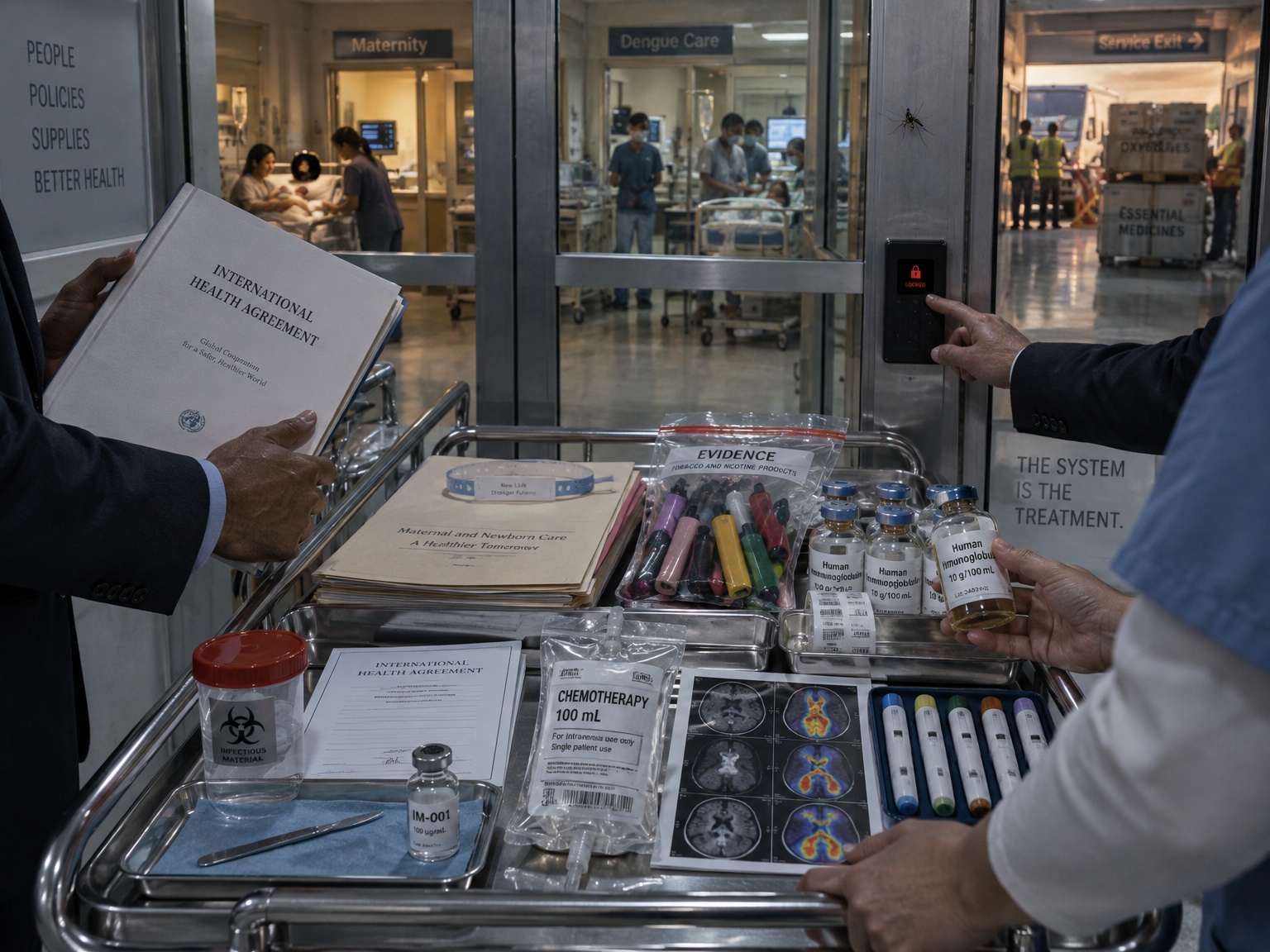
For healthcare, this is more than an amusing contradiction. Hospitals, laboratories, diagnostics and pharmaceutical supply chains depend on interconnected infrastructure. We cannot celebrate AI-enabled medicine while treating cybersecurity and system readiness as matters to consider after the innovation has been approved. Science, fortunately, continues to advance regardless of the electoral calendar. Single-cell genomic research is revealing how genetic variation shapes disease through specific cell types, while research into emotional regulation reminds us that brain activity, behaviour and human experience do not necessarily tell the same story. The human body, rather inconveniently, has yet to organise itself according to our regulatory categories or reimbursement codes.
The clinical developments are substantial. A DNA-based immunotherapy could reduce repeated surgery for patients with a rare airway disease. Breast cancer research raises the prospect that carefully selected patients might avoid chemotherapy. Brazil has authorised additional GLP-1 injection pens for diabetes and obesity. But approval is not access, and scientific possibility is not clinical reality. A medicine that cannot be afforded, a biomarker that cannot be tested, or a treatment that cannot reach the appropriate hospital remains a promise rather than an achievement. Sometimes personalised medicine means knowing when not to treat; sometimes it means ensuring that patients receive treatments we already know work.
The wider world offers less comfortable reminders. Barbados demonstrates what sustained prevention can achieve against mother-to-child HIV transmission. Britain is tightening protections against youth vaping, while European regulators investigate medicine safety concerns. Meanwhile, dengue overwhelms hospitals in Bangladesh, and conflict in Yemen prevents essential medical supplies from reaching patients who cannot wait for diplomacy.
Different stories, but variations on a familiar political problem. We are increasingly capable of discovering, designing and approving remarkable innovations, yet considerably less consistent at building the institutions and financing mechanisms required to deliver them. In Geneva, governments are negotiating how pathogen information should be shared and how the benefits arising from it should be distributed. It is a debate about preparedness, but equally about fairness, trust and power. Knowledge crosses borders at extraordinary speed. Its benefits often travel more slowly, particularly towards poorer countries, overstretched hospitals and patients without political influence.
Perhaps November is cruel because it strips away the foliage of political rhetoric and exposes the structures underneath. Elections can change governments. Technology can change industries. Science can change medicine. But none automatically changes who gets access, who bears the costs or who is left behind. And that remains the question for policymakers, researchers and health systems alike: who gets to turn knowledge into care, and who is still waiting for the delivery?
This week, the system takes the stand
- When the pathogen travels, who gets the vaccine? Governments resume negotiations over sharing pathogen information and the benefits of the medicines it helps create.
- The scalpel finally has a challenger: A newly approved DNA-based immunotherapy could reduce repeated airway surgeries.
- The cancer win could be less chemotherapy: Five-year trial results sharpen the case for carefully selected treatment reduction.
- Five more pens enter the access test: New GLP-1 registrations raise the stakes for supply and affordability.
- Barbados kept the promise before birth: Sustained antenatal services achieved a major HIV-prevention milestone.
- The nicotine loophole lost its free samples: New UK rules restrict sales to children and promotional tactics.
- The batch number is now a clinical question: Europe investigates allergic reactions linked to specific immunoglobulin batches.
- The mosquito ignored the calendar: Dengue deaths and admissions continue to rise in Bangladesh.
- The ward is open. The road is closed: Fighting around Taiz is turning shortages and blocked access into clinical emergencies.
| This is not another health news digest. It’s a twice-weekly readout of where evidence meets power and where power must turn into action. |
When the pathogen travels, who gets the vaccine?
Negotiators reconvened in Geneva on 2 November to draft the Pathogen Access and Benefit Sharing annex to the WHO Pandemic Agreement. The proposed system concerns access to pathogens and the sharing of benefits derived from them. Governments are scheduled to submit the outcome to the World Health Assembly in May 2027; the terms remain under negotiation. (WHO)
The last pandemic made the politics plain: samples and data can move quickly while vaccines reach some populations much later. This annex must address that imbalance in practical terms. Countries asked to share information about a dangerous pathogen will want a credible route to the resulting tests, treatments and vaccines. The details negotiated now will determine whether “sharing” works in both directions.
The scalpel finally has a challenger
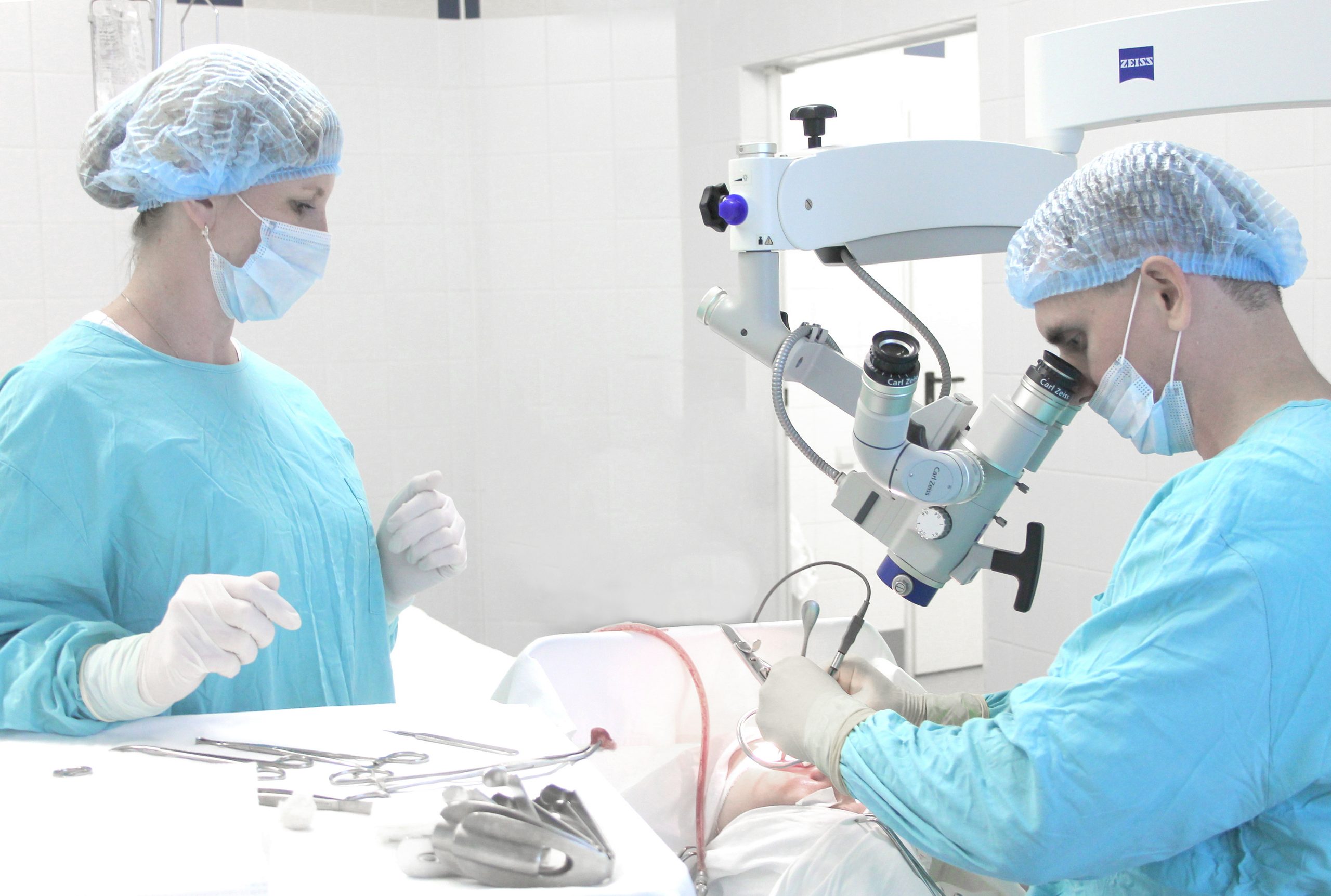
People with recurrent respiratory papillomatosis can spend years returning to surgery to remove growths from their airways. On 30 October, the US FDA granted accelerated approval to Voceryq, the country’s first plasmid DNA-based immunotherapy, for adults with the disease. In a 32-person trial, seven of the 26 participants who had needed at least three surgeries before treatment required none during the following year. (FDA)
For a patient whose voice and breathing depend on the next operation, fewer trips to theatre are a meaningful prospect. The approval rests on reduced surgery frequency, and the manufacturer must still confirm the clinical benefit after approval. That is the bargain behind accelerated access: offer a promising treatment sooner, then make sure the evidence catches up.
The cancer win could be less chemotherapy
What if precision medicine’s most valuable instruction is to withhold a treatment? Five-year results from the PHERGain trial examined a response-guided approach for HER2-positive early breast cancer. Among 86 patients who responded on PET imaging, achieved a complete pathological response and received no chemotherapy during study treatment, estimated five-year invasive disease-free survival was 92.4%(Nature Medicine)
That number deserves attention and restraint. The 86 patients were a selected subgroup, and the phase II trial was not designed to prove that skipping chemotherapy is equivalent to standard treatment. Still, the policy question is substantial. Tests that identify who can safely receive less care could spare patients toxicity, time away from work and avoidable expense. The next step is to establish how reliably they make that distinction.
Five more pens enter the access test
Brazil’s regulator approved five new GLP-1 injection pens on 29 October: three indicated for diabetes and two for obesity. The products contain liraglutide or semaglutide and involve manufacturing in India. Anvisa says it has approved 20 pens this year after prioritising reviews amid concerns about supply and the needs of the public health system. (Anvisa)
Twenty registrations are a sign of regulatory movement. They are not yet twenty solutions at the pharmacy counter. The test now moves to production, distribution, price and sustained availability. Obesity and diabetes policy cannot be measured by the number of products authorised alone; patients experience it as the treatment they can obtain and continue taking.
Barbados kept the promise before birth
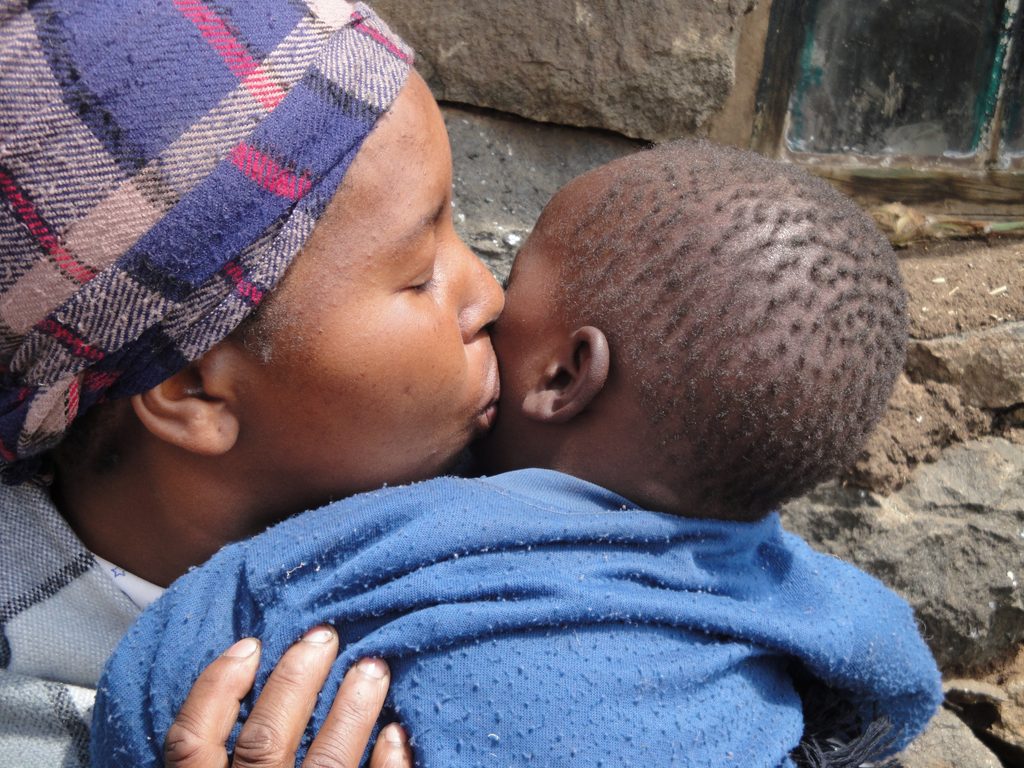
Barbados has been recognised by WHO for eliminating mother-to-child transmission of HIV as a public health problem. No new infections from mother to child were reported among infants born there from 2022 to 2024. During that period, 98% of pregnant women received antenatal care, 98% were tested for HIV, and 98% of pregnant women living with HIV received antiretroviral treatment. (WHO)
This is what prevention looks like when a country keeps funding the ordinary steps: appointments, testing, treatment and follow-up. Services are free to pregnant women regardless of nationality. The recognition does not mean HIV has disappeared, and maintaining the result will take continued work. It does show what a health system can achieve when access is designed into care from the beginning.
The nicotine loophole lost its free samples
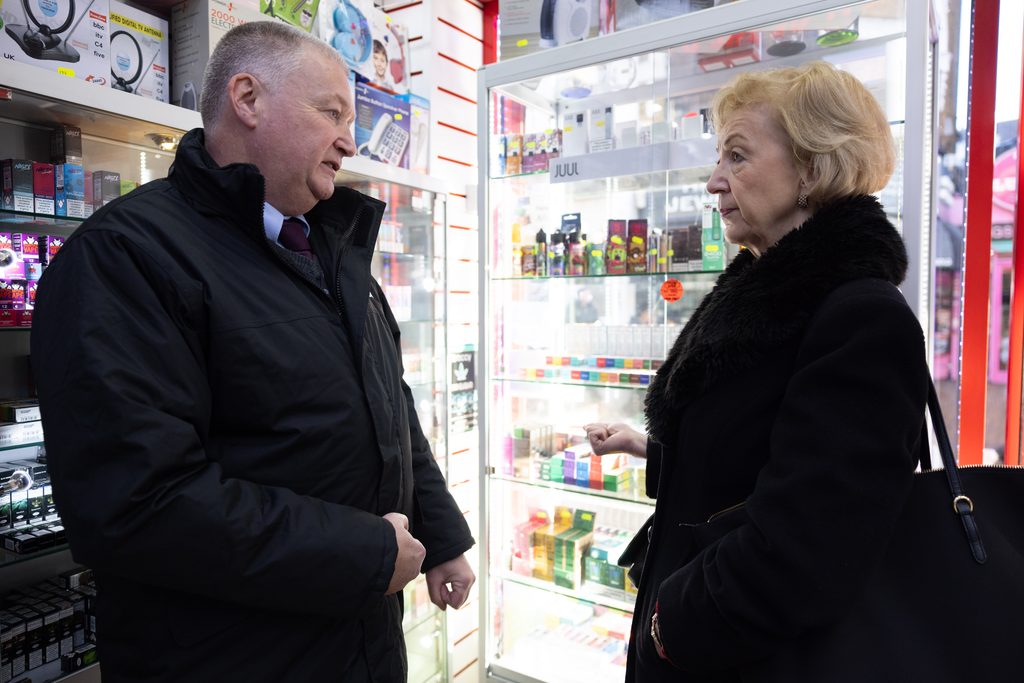
New UK restrictions took effect on 29 October, extending the ban on sales to under-18s to nicotine-free vapes and products such as nicotine pouches. The rules also prohibit promotional giveaways, substantial discounts and vending-machine sales of vapes and nicotine products. Buying them on behalf of a child is now an offence. (UK Department of Health and Social Care)
A product could previously reach young people through gaps between its contents, its packaging and the law’s definitions. Closing those gaps is a public-health decision; making it stick is an enforcement job. The rules preserve access to vaping products through stop-smoking services for adults. The challenge is to protect children while ensuring that adults seeking to leave cigarettes behind can still get effective support.
The batch number is now a clinical question
European medicines regulators are investigating increased reports of allergic reactions associated with specific batches of human normal immunoglobulin medicines. The reports include serious reactions, and affected batches of Flebogamma DIF, Yimmugo and Gamunex have already been withdrawn in some EU countries as a precaution. The cause has not been established. (EMA)
These medicines help people with immune deficiencies and other conditions, so the investigation has two urgent tasks: identify any avoidable risk and preserve confidence in essential treatment. EMA’s review covers the wider class because it is not yet clear whether the issue extends beyond the batches already identified. Vigilance after approval is part of access too. Patients need medicines they can trust.
The mosquito ignored the calendar
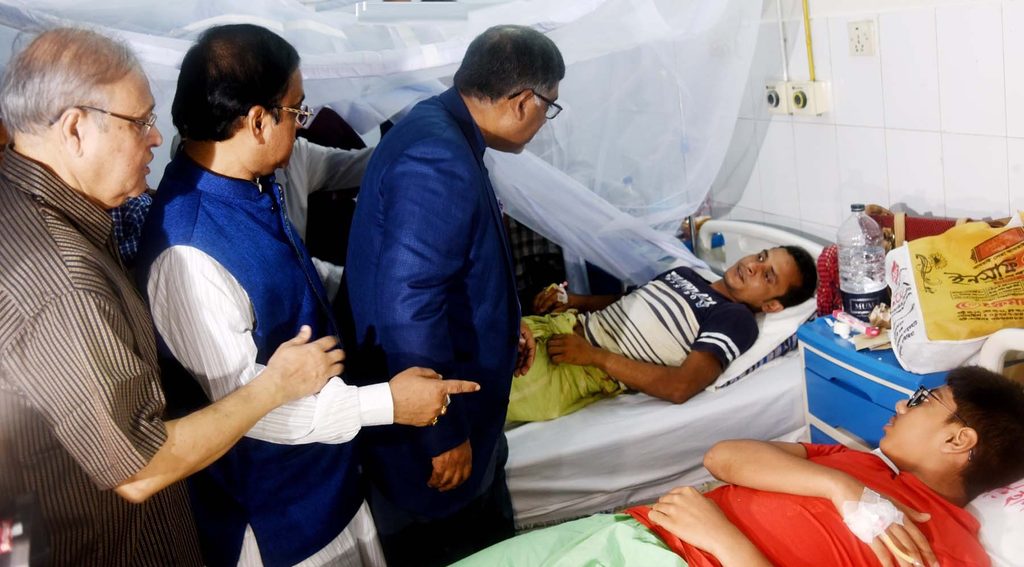
Bangladesh recorded 418 dengue deaths and more than 133,000 hospital admissions this year through 30 October. October alone accounted for 173 deaths, the highest monthly total of 2026 so far. Doctors report patients arriving with severe complications, while experts warn that transmission may not ease substantially before December. (Reuters)
Behind the national totals are repeat infections, delayed diagnoses and wards managing another surge. Bangladesh has not yet introduced a dengue vaccine, although authorities are considering one. For now, mosquito control, prompt recognition and hospital capacity have to carry the response. An outbreak lasting longer than expected demands a plan that lasts longer too.
The ward is open. The road is closed
In Yemen’s Taiz region, renewed fighting has prevented humanitarian supplies from entering and civilians from leaving some areas. Hospitals report shortages of medicine, oxygen, surgical gloves, anaesthetic and fuel. Among their patients is Amal al-Sabri, a pregnant mother of two injured at home. Across Yemen, more than 40% of hospitals and healthcare facilities were already closed or only partly functioning before the latest escalation, according to the Red Cross. (Reuters)
Clinicians can open a ward, but they cannot supply it through a blocked road. Some hospitals near the front lines are converting maternity space into emergency care while movement restrictions disrupt community midwives. The consequences of fighting are measured in injuries and in every appointment, delivery and treatment that becomes harder to reach. Protecting healthcare means protecting the routes that keep it alive.
The November watch
| 3–5 November — Emergency teams meet in Addis Ababa. |
| WHO’s Emergency Medical Teams Global Meeting puts deployment and national response capacity on the agenda. |
| 4 November — Arbovirus care gets a closer look. |
| WHO hosts a launch webinar for clinical-management guidance covering dengue, chikungunya, Zika and yellow fever. |
| 4–6 November — Advanced therapies face the next review. |
| EMA’s Committee for Advanced Therapies meets; watch for its subsequent recommendations. |
| 5 November — Healthcare for people on the move. |
| WHO launches its eighth global evidence review on health and migration, focused on primary care. |
| From 9 November — Climate meets the health budget. |
| COP31 opens in Antalya. Watch whether adaptation commitments address the heat, disease and care pressures already facing health systems. |
Follow the last-mile conversation!
IPM Alliance tracks the decisions, bottlenecks and implementation gaps shaping personalised medicine access. Follow us for briefings, events, policy signals and practical insights from across regions and disease areas.
We want to hear from you
When a patient becomes eligible for personalised care, where does the system most often lose them: identification, testing, referral, reimbursement, delivery capacity or equity?
Know someone who should be reading this?
IPM Brief is built for people working where science, policy and patient access collide. If one colleague would find this useful, forward it to them and help bring them into the conversation.
International Alliance for Personalised Medicine
Avenue de l’Armée / Legerlaan 10, 1041 Brussels, Belgium
