

Dear friends,
Despite what follows, September 1 has a surprisingly respectable medical history.
Andrija Štampar, born on this day in 1888, helped shape modern social medicine and the international health system that became the WHO. Karl Folkers, born on September 1, 1906, helped unlock vitamin B12 and transform the treatment of pernicious anaemia. Six years later came Carl Gunnar Engström, whose respirator helped usher in modern mechanical ventilation. And in 2021, WHO chose September 1 to open its Berlin Hub for Pandemic and Epidemic Intelligence.
So September 1 has given us public health, molecular medicine, intensive care and pandemic intelligence.
Today it gets the IPM Brief.
Standards inevitably slip.
Some of you have returned from August looking rested. We are pleased for you in a measured, professionally appropriate way.
Others are only now leaving for September—when beaches are quieter, flights are cheaper and the decision to open an email feels entirely optional. We envy you openly.
If you spent August ignoring your inbox, congratulations. Your inbox spent August reorganising global medicine.
Drug prices became foreign policy. Pharmaceutical factories migrated towards political protection. Europe’s AI regulators clocked in. Ebola exposed the dangerous distance between having a vaccine and having the right vaccine. The first mRNA flu shot was approved, pancreatic cancer finally met a targeted therapy, and a personalised cancer vaccine encountered a stop sign.
Elsewhere, weight-loss injections were discovered inside jars of dulce de leche, food companies briefly defeated red warning labels before the labels returned, and nearly $2 billion in global-health assistance found a new delivery network.
And while medicine was doing all that, geopolitics was moving closer to the clinic. Medical devices became part of Europe’s increasingly complicated trade conversation with China, while innovation and competitiveness found themselves competing for space in the negotiations over the next EU budget.
This is not everything that happened.
It is the ten-story version of what mattered before the automatic reply expired.
August changed the terms and conditions.
September appears to have clicked “Accept All” without reading them.
In this issue
- The medicine cabinet got a global price tag: Nine more pharmaceutical manufacturers entered US most-favoured-nation pricing agreements.
- Half a trillion dollars followed the tariff threat: Drugmakers are turning manufacturing capacity into geopolitical insurance.
- The AI regulator clocked in. Medical devices got an extension: Europe began enforcing its AI law while postponing some of its most consequential healthcare rules.
- Ebola found the gap between the vaccine and the virus: The largest outbreak in the country’s history is being driven by a species without an approved vaccine or treatment.
- The flu shot learned the mRNA alphabet: The first seasonal influenza vaccine built on mRNA technology has been approved.
- Pancreatic cancer finally met a target: A first-in-class RAS inhibitor nearly doubled median survival in its pivotal trial.
- The personalised vaccine hit the stop rule: A colorectal cancer study was terminated after futility and an overall-survival imbalance.
- The weight-loss boom crossed into drug trafficking: Demand for GLP-1 medicines has created a thriving market for smuggled and unapproved injections.
- Big Food buried the red label. The red label came back: Industry resistance, judicial pressure and public anger produced a remarkable regulatory reversal.
- Global health changed its last-mile contractors: Nearly $2 billion in assistance will be delivered through faith-based and community organisations.
| This is not another health news digest. It’s a twice-weekly readout of where evidence meets power and where power must turn into action. |
The medicine cabinet got a global price tag
On 31 August, the White House announced most-favoured-nation pricing agreements with nine additional pharmaceutical manufacturers, bringing the stated total to 26 companies covering 89% of the branded drug market. Under the announced terms, every state Medicaid programme would receive prices tied to those paid in other developed countries on participating companies’ products. The nine manufacturers also committed at least $19.6 billion to US production, while several agreed to contribute active pharmaceutical ingredients to a strategic reserve. (White House fact sheet; independent reporting and caveats: Reuters)
Drug pricing has been pulled out of the reimbursement office and dropped into international trade negotiations. The potential savings could be significant, but the contractual details, product-level discounts and enforcement mechanisms remain largely undisclosed. Reuters also reported that Teva was still negotiating as the administration presented the nine-company package. Until the agreements can be independently examined, the savings claims remain promises rather than audited outcomes. The larger shift is already clear: the world’s biggest pharmaceutical market is using its purchasing power to challenge prices elsewhere. The reference price has become an instrument of foreign policy.
Half a trillion dollars followed the tariff threat
An August tally found that Eli Lilly, Pfizer, AstraZeneca, Roche and other pharmaceutical companies had announced roughly $500 billion in US manufacturing, research and infrastructure commitments. The individual pledges range from new factories and biologics facilities to expanded laboratories and domestic supply chains. Many extend over several years, and some were announced before August, but together they reveal the scale of the industry’s response to tariff threats and political demands for local production. (Reuters global investment tally)
These are commitments, not $500 billion already poured into concrete. Some projects will change, shrink or disappear before completion. Yet the direction matters. Pharmaceutical manufacturing is no longer being organised solely around scientific expertise, cost and logistical efficiency. It is being redesigned around political protection. More domestic capacity could improve resilience and reduce dependence on fragile supply chains. It could also duplicate infrastructure, pull investment away from other regions and make access to manufacturing increasingly dependent on political leverage. The new active ingredient in industrial policy is fear of the border.
The AI regulator clocked in. Medical devices got an extension
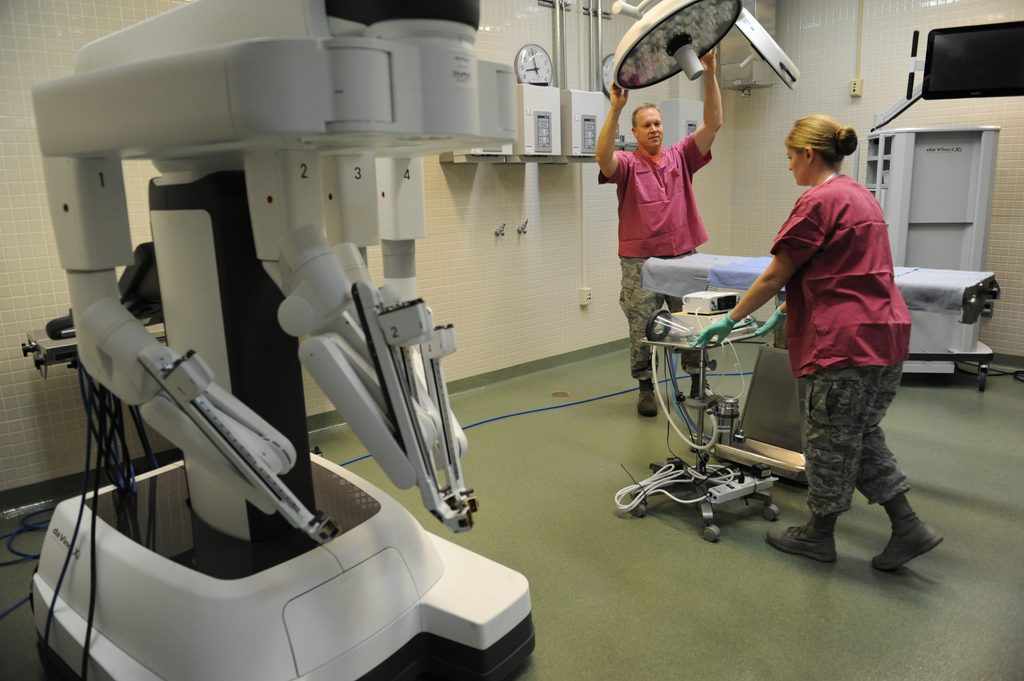
The European Union’s AI Act became broadly applicable on 2 August, activating new transparency requirements and placing implementation, supervision and enforcement in the hands of the European AI Office and national authorities. However, rules for high-risk systems in certain sensitive areas will apply from December 2027, while AI embedded in regulated products—including medical devices—has until August 2028. (European Commission AI Act implementation timeline; official implementation guidance)
The law has arrived in split-screen. AI-generated content, general-purpose models and certain transparency duties face regulation now, while some of the systems capable of influencing diagnoses, treatments and clinical decisions receive a longer runway. Healthcare organisations should not confuse postponement with exemption. They still need to identify where AI is operating, document datasets, establish human oversight and decide who is responsible when an algorithm fails. Two additional years can become valuable implementation time—or two additional years of technical debt. The regulator has clocked in. The hospital should probably stop pretending the algorithm is only an intern.
Ebola found the gap between the vaccine and the virus
By 31 August, government figures recorded 6,041 confirmed Ebola infections and 2,911 deaths in the Democratic Republic of the Congo, making the outbreak the largest in the country’s history. It is caused by Bundibugyo virus, for which there is no approved vaccine or specific treatment. Seventy thousand doses of the Ervebo vaccine have nevertheless been allocated: 20,000 for a Phase III trial and 50,000 for frontline workers. Ervebo is licensed for a different Ebola species, and its protection against Bundibugyo in humans remains unknown. (Reuters; vaccine allocation and scientific rationale: WHO and Africa CDC)
The scale demands plain language: containment is not keeping pace. Insecurity, population displacement, weak surveillance and delayed access to treatment are allowing infections to travel faster than the response. The vaccine allocation is scientifically necessary, but it is also an emergency experiment conducted inside an emergency. A global stockpile exists, yet the virus has arrived wearing the wrong biological identity card. Preparedness cannot mean holding one answer to a family of threats. It must include platforms, trials and health systems capable of adapting before the outbreak becomes the evidence base.
The flu shot learned the mRNA alphabet
The FDA has approved Moderna’s mFlusiva for adults aged 50 and older, making it the first authorised mRNA vaccine against seasonal influenza. It received traditional approval for people aged 50–64 and accelerated approval for those 65 and older, with an additional confirmatory study required for the older group. In a trial involving more than 40,000 adults, the vaccine demonstrated 26.6% greater relative effectiveness than a standard-dose flu vaccine. (FDA approval record; clinical and regulatory context: Reuters)
This is the moment mRNA begins to look less like the technology of one pandemic and more like a durable vaccine platform. Its manufacturing process could allow strains to be updated more quickly than conventional egg-based production. But approval does not guarantee immediate impact. Moderna missed much of the contracting cycle for the 2026 influenza season, and accelerated approval in older adults still carries an evidence obligation. The platform has passed an important regulatory test. Now it must pass the less glamorous ones: recommendations, procurement, public confidence and performance across an ordinary winter.
Pancreatic cancer finally met a target
The FDA approved Rasonque, or daraxonrasib, for adults with metastatic pancreatic adenocarcinoma who had received previous systemic treatment or were unsuitable for multiagent therapy. The once-daily tablet inhibits multiple forms of RAS, a protein family that drives tumour growth in most patients with the disease. In a randomised trial involving 500 adults, median overall survival was 13.2 months with Rasonque, compared with 6.7 months using standard chemotherapy. (US Food and Drug Administration)
Those figures do not make the medicine a cure, and medians cannot predict what will happen to an individual patient. The treatment also carries substantial adverse effects, including rash, diarrhoea, nausea, fatigue and bleeding. But pancreatic adenocarcinoma has spent years watching precision oncology transform other cancers while remaining stubbornly difficult to target. This approval changes that conversation. For once, “first-in-class” is not merely a commercial adjective. It describes a biological door that had remained locked—and an approved medicine that has finally put a key into it.
The personalised vaccine hit the stop rule
BioNTech and Genentech terminated a Phase II study of autogene cevumeran, an individualised mRNA cancer immunotherapy being tested as a standalone adjuvant treatment in patients with circulating tumour DNA after surgery for high-risk colorectal cancer. The trial had previously crossed a futility boundary, and a subsequent independent review identified a numerical imbalance in overall survival between the treatment groups. The monitoring board reported no new safety signal but concluded that continuing was unlikely to change the efficacy outcome. (BioNTech clinical-trial statement)
August therefore delivered two opposite mRNA headlines: a flu vaccine approval and a cancer-vaccine termination. That is not a contradiction. A technology can work brilliantly in one biological setting and fail in another. Colorectal cancer is often immunologically “cold,” and this trial tested the vaccine without a checkpoint inhibitor. Other combination studies remain active. The correct lesson is neither that personalised cancer vaccines have failed nor that every setback is temporary. It is that individualisation does not repeal tumour biology. A well-governed stop is not the opposite of progress. It is one of the ways science earns the right to continue.
The weight-loss boom crossed into drug trafficking
When customs officers opened jars of dulce de leche on a bus arriving from Paraguay, they found more than 2,500 vials of tirzepatide hidden inside. Seizures of illegal GLP-1 products rose from 609 units in 2024 to 60,787 in 2025. One estimate suggests that compounded pharmacy products and smuggled versions together could represent 51% of Brazil’s roughly $7 billion weight-loss-drug market—a combined category that should not be interpreted as 51% illegal. Authorities are also investigating 83 deaths and more than 3,600 complications, although the role of unauthorised products has not been established. (Reuters investigation)
The injections are appearing in gyms, salons, street markets and private homes because the official products remain unaffordable to many of the people who want them. Enforcement can intercept a bus. It cannot close the economic gap that made the bus profitable. Regulators have approved cheaper domestic alternatives, which may draw consumers back towards supervised care, but demand is moving faster than conventional pharmacovigilance. The GLP-1 revolution has reached its predictable second act: when a medicine becomes a cultural phenomenon before it becomes broadly accessible, organised illicit supply does not see a health crisis. It sees a market.
Big Food buried the red label. The red label came back.
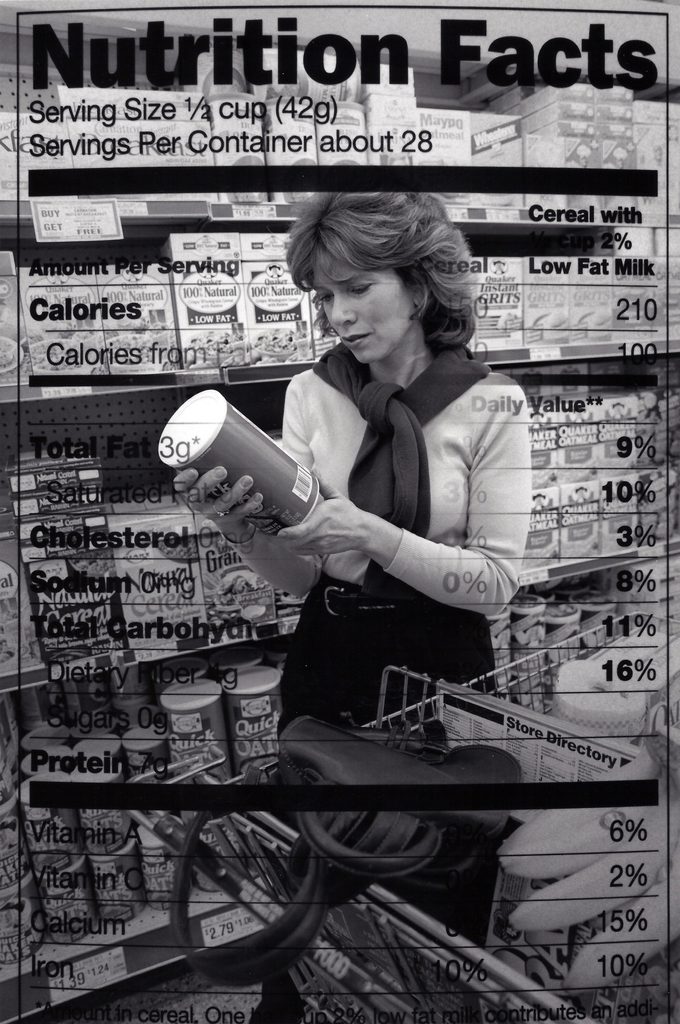
An investigation published on 25 August revealed how food companies had opposed prominent warnings for products high in sugar, salt and fat, contributing to a regulatory retreat towards less visible nutritional tables. Three days later, following judicial pressure and public anger, the food-safety authority proposed red hexagonal front-of-pack warnings for products high in at least two of three nutrients: saturated fat, sugar or salt. The proposal appeared in a Supreme Court filing and still requires implementation. (Reuters investigation; regulatory reversal: Reuters)
Three days is an unusually short journey from “too confusing for consumers” to a red warning symbol on the front of the packet. It demonstrates what investigative reporting, litigation and public pressure can do when regulatory decisions are dragged into daylight. It does not mean the fight is finished. Thresholds, exemptions, implementation dates and label size can quietly determine whether a warning informs consumers or merely satisfies a court. Big Food lost the headline battle. The lobbying will now move into the technical annex. The red symbol is back; the real contest has shifted into the fine print.
Global health changed its last-mile contractors
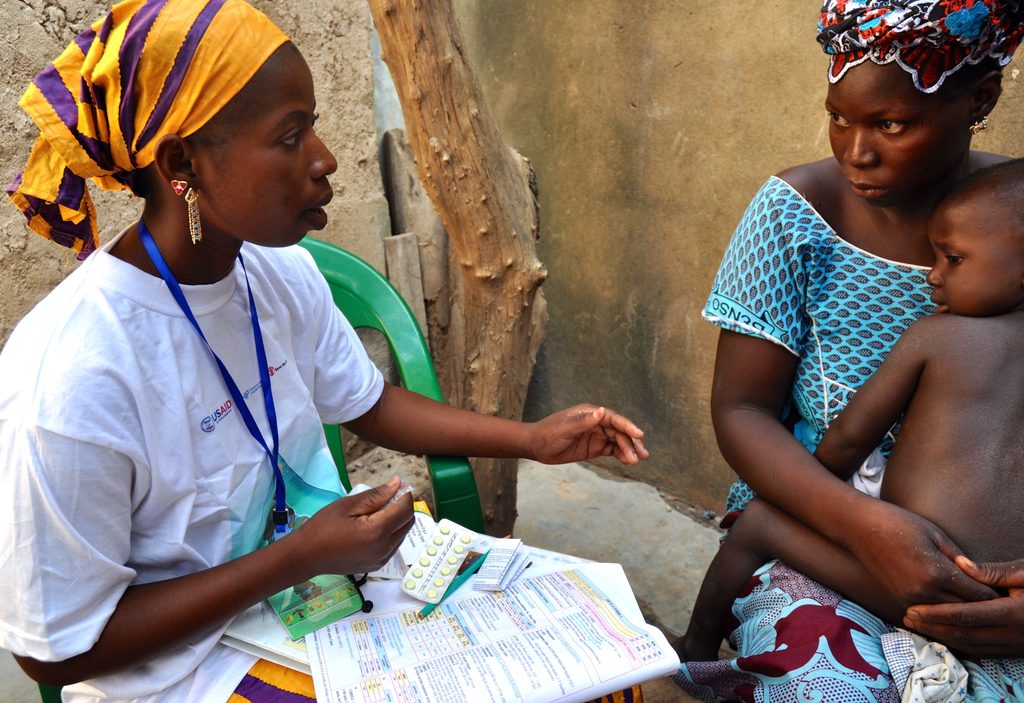
The United States announced nearly $2 billion in health and humanitarian partnerships with faith-based and community organisations operating across more than 20 countries—the largest allocation of global-health foreign assistance to such organisations in over two decades. The health component includes up to $850 million over five years for a World Vision-led consortium expected to strengthen more than 2,500 facilities in 17 countries and support over 30,000 community health workers. (US Department of State; funding breakdown: Donor Tracker)
Faith-based networks already operate hospitals and clinics in places governments and international agencies struggle to reach. Their proximity to communities can translate into trust, speed and durable infrastructure. But moving this volume of public funding through religious and community organisations also changes who controls the final kilometre of global health. Procurement, data, reproductive healthcare, non-discrimination and accountability cannot become secondary considerations simply because the implementing organisation is locally trusted. The question is not whether faith belongs in healthcare. It is whether public money will carry public safeguards through every door it enters.
The August Watch
Registrations also remain open for upcoming IPM Alliance events in Stockholm on 12 September, New York on 24 September and Dublin on 2 October. Visit the IPM Alliance website for programme updates.
| 1 September | Worldwide |
| World Sexual and Reproductive Health Month begins, focusing on evidence, rights and access to essential services. (WHO) |
| 1–3 September | Geneva |
| Global Digital Collaboration Conference, covering trusted digital health wallets, interoperability and secure cross-border health information. (WHO) |
| 1–4 September | Milan |
| VPH 2026, focused on digital twins, in-silico trials, trusted AI and their clinical adoption. (VPH 2026) |
| 2 September | Online |
| WHO launches new filovirus clinical-management guidance covering Ebola, Marburg and other filovirus diseases. (WHO) |
| 2 September | Online |
| Evidence to Impact, examining advances and implementation gaps in sexual and reproductive health and rights. (WHO) |
| 3–5 September | Singapore |
| BISHAC 2026, bringing implementation science into health policy, practice and system reform. (BISHAC 2026) |
| 4 September | Geneva |
| WHO eye-care advisory meeting, shaping the forthcoming global status report on eye care and vision impairment. (WHO) |
| 4–7 September | Lisbon |
| 9th World One Health Congress, covering antimicrobial resistance, biosecurity, financing and One Health implementation. (WHO) |
| 7 September | Worldwide |
| International Day of Clean Air for blue skies, highlighting the health and economic case for clean-air action. (UNEP) |
| 7 September | Dili |
| WHO South-East Asia Regional Committee opens, with workforce capacity, specialised-care equity and regional health policy on the agenda. (WHO) |
Follow the last-mile conversation!
IPM Alliance tracks the decisions, bottlenecks and implementation gaps shaping personalised medicine access. Follow us for briefings, events, policy signals and practical insights from across regions and disease areas.
We want to hear from you
When a patient becomes eligible for personalised care, where does the system most often lose them: identification, testing, referral, reimbursement, delivery capacity or equity?
Know someone who should be reading this?
IPM Brief is built for people working where science, policy and patient access collide. If one colleague would find this useful, forward it to them and help bring them into the conversation.

International Alliance for Personalised Medicine
Avenue de l’Armée / Legerlaan 10, 1041 Brussels, Belgium
