
If the IPM Brief were packing a summer reading list, this week’s edition would have something of the classics about it.
There are Great Expectations around innovation; a little War and Peace in the global scramble for scientific talent; more than a hint of The Master and Margarita as science collides with bureaucracy; and, as researchers investigate people living beyond 110, a touch of The Picture of Dorian Gray — sadly without the portrait doing the ageing for us.
But beneath the literary licence is a modern plot.
Science moves first. Systems follow. Increasingly, the distance between the two determines whether innovation reaches the patient.
This is not simply a European story. It is a global race to turn scientific capability into healthcare capability.
This week, plastic tubs outperform expensive machinery; countries compete for scientists; cancer vaccines move closer to reality; biobanks become networks; AI confronts biology safeguards; MRD testing moves towards treatment decisions; the FDA faces a credibility test; and supercentenarians reveal new biological clues.
Different stories. One question: can policy, partnership and health systems turn scientific possibility into patient benefit?
In this issue
- Sometimes the plastic tub wins: Europe has world-class science, but its systems still struggle to let innovators experiment, fail and scale.
- The great scientific talent scramble: China is opening doors, America is creating uncertainty and Europe is making its move for the people who power the science.
- One patient, one vaccine: Personalised cancer vaccines are approaching clinical reality. Health systems may be further behind.
- The biobank is not the breakthrough: The real prize is connecting samples, data and institutions strongly enough for AI to learn across borders.
- AI discovers that not all biology is a bioweapon: Anthropic is trying to let legitimate science through without opening the door to dangerous dual-use work.
- When the test becomes the treatment gatekeeper: MRD testing is no longer just reporting risk. It is beginning to determine who receives treatment and when.
- The FDA has a credibility test of its own: Washington’s regulatory turmoil is becoming a global problem for scientific trust and investment.
- Want to live to 110? Ask your T cells: Supercentenarians are providing new clues about immune surveillance, resilience and healthy ageing.
| This is not another health news digest. It’s a twice-weekly readout of where evidence meets power and where power must turn into action. |
Sometimes the plastic tub wins
Europe’s innovation problem may be sitting in a laboratory in Stockport, disguised as a graveyard of expensive stainless steel. At C3 Biotech, sophisticated fermenters were discarded during attempts to turn agricultural waste into chemicals for acrylic glass. The breakthrough came from something rather less impressive: cheap plastic tubs. The company was supported through Germany’s SPRIND breakthrough-innovation model, which finances high-risk experimentation and accepts that some approaches will fail.
For personalised medicine, the lesson is uncomfortable. Europe has invested heavily in genomics, biomarkers, AI, liquid biopsy and advanced therapeutics, but innovation does not reach patients simply because the science works. A biomarker without reimbursement is not access. An algorithm trapped behind incompatible datasets is not transformation. A trial without systems capable of finding eligible patients is innovation waiting in the corridor. Europe needs more than research funding. It needs permission to experiment, fail, adapt and scale. Sometimes the plastic tub really does beat the multimillion-euro machine.
Source: C3 Biotech | SPRIND | European Commission: Draghi report
The great scientific talent scramble
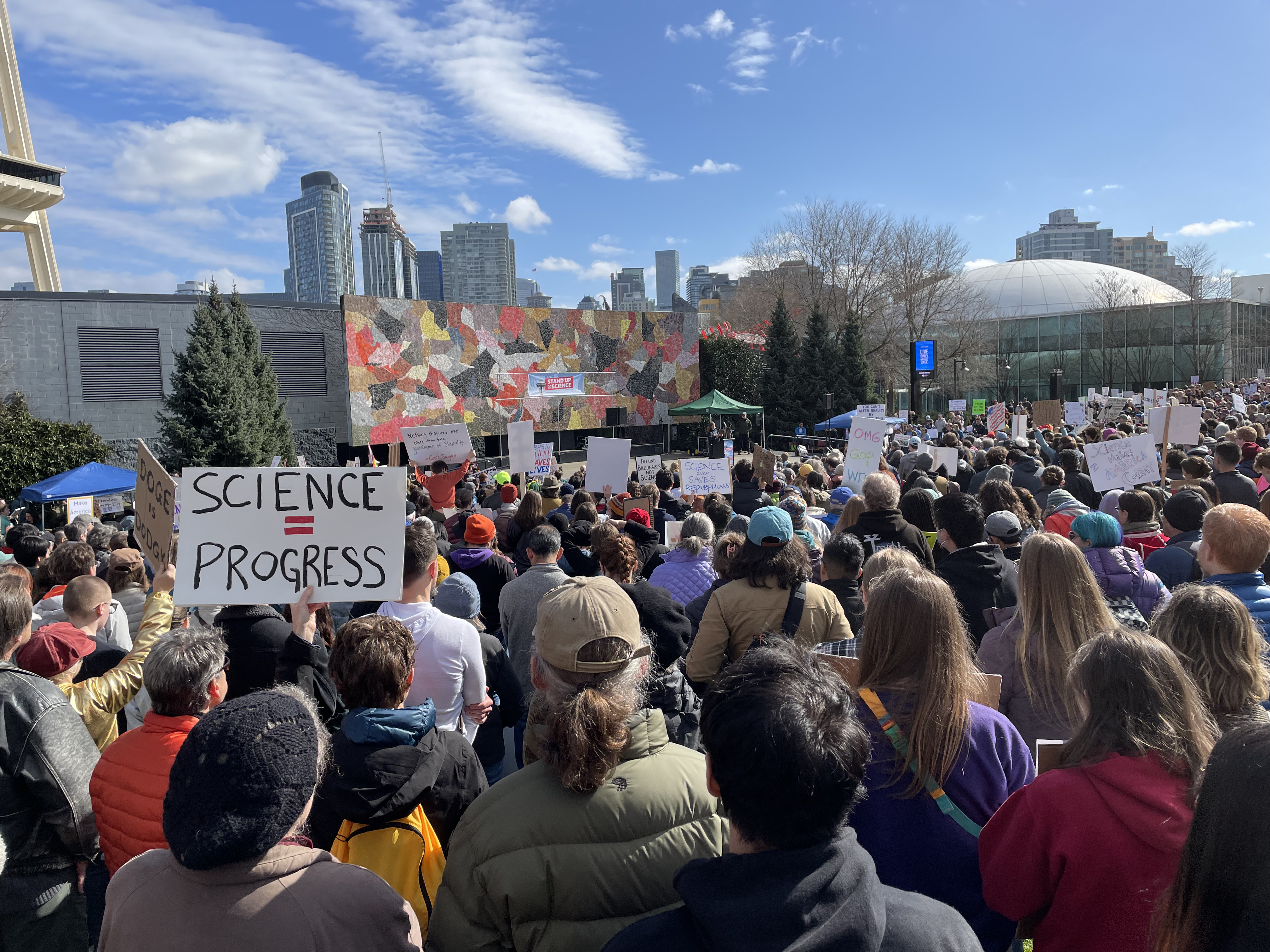
For decades, the global scientific career ladder had a predictable direction: talent travelled towards the United States. Now, somebody appears to have moved the signposts. China’s K visa targets young international STEM talent without requiring a Chinese employer or invitation before applying. America’s immigration and research-policy turbulence is adding uncertainty, while applications from US-based researchers for major European grants requiring relocation have risen sharply. Europe, meanwhile, is rolling out its Choose Europe for Science agenda.
This is not a three-player game. Latin America generates substantial expertise but continues to lose researchers through limited investment, while geopolitical tensions can fracture collaboration networks almost overnight. Genomics, AI, liquid biopsy, digital pathology and next-generation trials do not run on infrastructure alone. They run on people. The next innovation map may be determined not simply by who spends most on science, but by where the best scientists decide they can do their best work and stay. Talent creates the breakthrough. Health systems decide whether patients see it.
Source: Chinese Government | Nature | European Commission
One patient, one vaccine
Cancer vaccines have spent decades being described as the future. The future may finally be getting inconveniently close to the present. Moderna and Merck announced that their personalised mRNA therapy, intismeran autogene, combined with Keytruda, met the recurrence-free-survival and distant-metastasis-free-survival endpoints in the Phase III INTerpath-001 study of completely resected high-risk melanoma. The science is personalised medicine in literal form: sequence the tumour, identify patient-specific neoantigens, manufacture an mRNA therapy carrying those targets and train the immune system to recognise what to attack.
Then comes MRD. If ctDNA can identify molecular disease after apparently successful surgery, liquid biopsy could help determine who remains at highest risk, who needs intensified treatment and whether treatment is working before recurrence appears on a scan. England’s NHS Cancer Vaccine Launch Pad is already building national patient-identification and trial-referral pathways. A therapy requiring tumour sequencing, bioinformatics, bespoke manufacturing and rapid delivery cannot simply be approved into existence. We have spent years asking whether personalised cancer vaccines would work. We may now need to ask whether healthcare systems are personalised enough to deliver them.
Source: Reuters | NHS England
The biobank is not the breakthrough
Personalised medicine has accumulated an extraordinary resource: millions of tissue samples, blood samples, genomic profiles and clinical records. The problem is that too many remain trapped in institutional and national silos. Backed by $50 million, US start-up Network Bio is linking biobanks at major academic medical centres, allowing molecular information to be generated and analysed without physically centralising the samples. The objective is to create datasets large and diverse enough for AI to answer questions no single institution can answer alone.
The opportunity is bigger than building another biobank. All of Us in the United States, BBMRI-ERIC in Europe, BioBank Japan, the China Kadoorie Biobank and emerging genomic programmes in Brazil and Qatar show the scale already available. The next step is connecting these assets intelligently and responsibly. That requires patients and health systems to provide trust and clinical context, academia to drive discovery, technology companies to contribute AI capability, industry to translate findings and policymakers to establish rules for consent, interoperability and equitable benefit. The next breakthrough may be the policy and partnership that allow the world’s biobanks to learn from one another.
Source: The Wall Street Journal | Network Bio | All of Us | BBMRI-ERIC
AI discovers that not all biology is a bioweapon
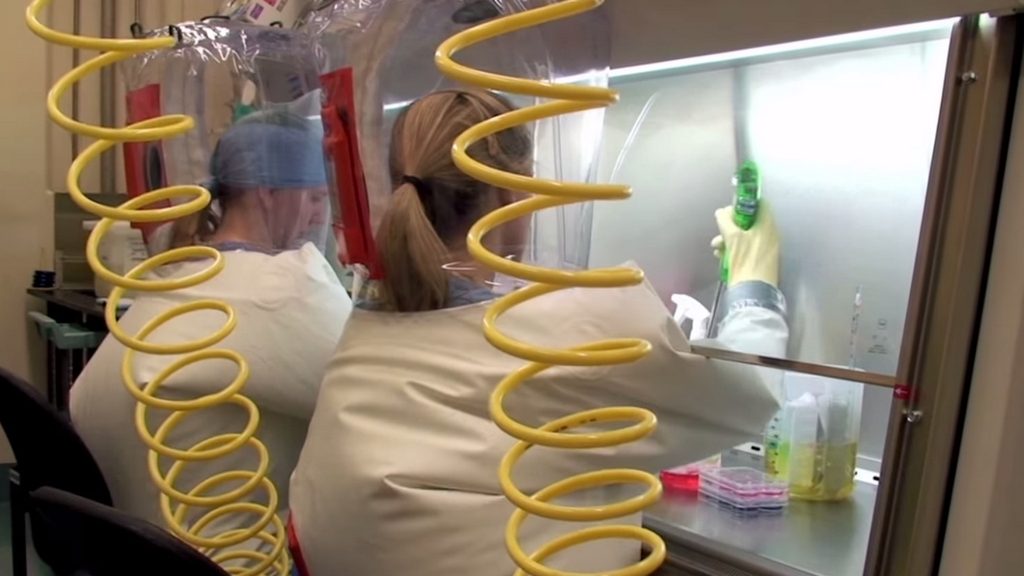
There is a familiar problem in health regulation: make the safety net too loose and dangerous things get through; make it too tight and nothing useful moves. AI has encountered the same problem. Anthropic says it has substantially reduced biology-related false-positive fallbacks in its frontier systems after earlier safeguards restricted legitimate biology and health questions. The revised approach attempts something harder: allow more benign biology while continuing to restrict genuinely dangerous dual-use activity.
That matters because AI biology is moving from analysis towards design. These models could accelerate biomarker discovery, genomic interpretation, drug development and clinical decision-making. A safeguard unable to distinguish dangerous biology from useful biology can itself become an innovation barrier, but enthusiasm cannot excuse genuine biosecurity risks. The challenge is not safety versus innovation. It is getting both right at the same time.
Source: Anthropic
When the test becomes the treatment gatekeeper
Can a diagnostic become so embedded in medicine that its name becomes almost synonymous with the clinical question it answers? A recent What’s With RWE? discussion asks whether Natera has effectively “Googlized” molecular residual disease by combining evidence, scale and adoption to make Signatera one of MRD’s defining names. But the bigger story is not the brand. MRD testing is moving beyond identifying whether molecular evidence of cancer remains after treatment. It can increasingly influence who receives additional therapy, who avoids unnecessary treatment, who enters a clinical trial and when intervention begins.
Health systems cannot champion personalised medicine while treating diagnostics as an ancillary laboratory expense. If molecular testing determines access to medicines, trials and follow-up strategies, then reimbursement, laboratory capacity and testing infrastructure become treatment policy. The principle extends beyond MRD to genomic testing, liquid biopsy, digital pathology and AI-enabled imaging. A personalised medicine pathway without the appropriate diagnostic is not particularly personalised. If the test decides who gets the treatment, diagnostic policy is treatment policy.
Source: What’s With RWE? | Natera
The FDA has a credibility test of its own
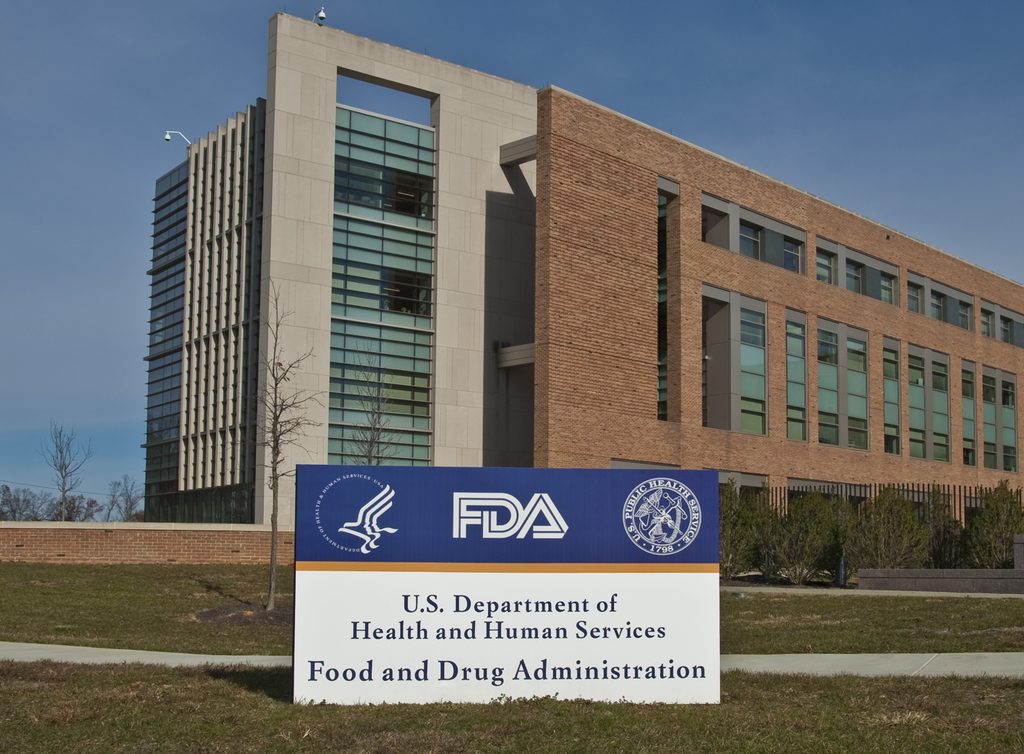
The FDA spends its days deciding whether other people’s evidence is good enough. Now the world’s most influential medicines regulator faces an evidence test of its own: who should run it, and how much confidence will everyone else place in the answer? Donald Trump has nominated physician and White House policy adviser Heidi Overton to lead an agency already shaken by staffing losses, restructuring, leadership changes and political fights over vaccines and drug approvals. For a regulator shaping medicine development worldwide, predictability is not administrative housekeeping. It is innovation infrastructure.
Competitors are moving. China is accelerating review pathways, Europe is overhauling pharmaceutical regulation and Latin America is strengthening trial capacity and regulatory reliance. For personalised medicine, where AI, biomarkers, cell therapies and individualised interventions are already stretching traditional regulatory models, speed matters and expertise matters, but trust matters most. The FDA does not simply export decisions. It exports regulatory confidence. And confidence can be withdrawn remarkably quickly.
Source: Reuters
Want to live to 110? Ask your T cells

If the secret to living beyond 110 exists, it may not be found in a miracle diet, a supplement cabinet or a billionaire’s longevity clinic. It may be hiding in the immune system. A striking study reported by Nature found that supercentenarians carry unusually large populations of rare cytotoxic, or “killer”, T cells. These cells can attack cancerous and abnormal cells, raising the possibility that exceptional longevity partly reflects an immune system that remains effective at surveillance. The researchers are cautious: association is not causation, and exactly what these immune populations are doing remains unresolved.
The finding fits a bigger picture in which centenarians may undergo different immune ageing, maintaining surveillance while better controlling the chronic inflammation associated with cancer, cardiovascular disease and other age-related conditions. The objective should not simply be adding years to life. It should be understanding why some individuals remain biologically resilient while others develop disease decades earlier. Healthy ageing cannot become a boutique innovation for wealthy populations. Living to 110 may remain exceptional. Understanding why should not.
Source: Nature
And perhaps that is this week’s plot.
Science is moving from possibility to practice faster than health systems are moving from policy to implementation.
Personalised medicine can increasingly identify the right patient, test, treatment and moment to intervene. The challenge is ensuring that geography, infrastructure and policy do not decide who benefits.
The policy challenge, across every region, is to make that translation deliberate rather than accidental.
Science can open the door.
Policy, partnership and healthcare systems still have to get every eligible patient through it.
The August Watch
Registrations also remain open for upcoming IPM Alliance events in Stockholm on 12 September, New York on 24 September and Dublin on 2 October. Visit the IPM Alliance website for programme updates.
| 23-27 August | Stockholm and online: |
| World Water Week will focus on water, inequality and resilience. Safe water and sanitation remain basic health infrastructure, not environmental decoration.acity. WHO |
| 28-31 August | Munich and online: |
| ESC Congress 2026 will bring cardiovascular science and artificial intelligence together. Watch for evidence that changes care, not demonstrations designed only to impress a congress hall. |
| 31 August | Global: |
| International Overdose Awareness Day marks 25 years of a campaign that should no longer be necessary. The political question is whether governments will use the prevention tools they already possess. |
| 5-6 November | North Bethesda, Maryland and online: |
| The AAADV Workshop 2026 will bring regulators, investigators, industry leaders and patient advocates together to confront benefit-risk decisions, multiregional trials, dose optimisation and the changing global politics of cancer drug development. |
Follow the last-mile conversation!
IPM Alliance tracks the decisions, bottlenecks and implementation gaps shaping personalised medicine access. Follow us for briefings, events, policy signals and practical insights from across regions and disease areas.
We want to hear from you
When a patient becomes eligible for personalised care, where does the system most often lose them: identification, testing, referral, reimbursement, delivery capacity or equity?
Know someone who should be reading this?
IPM Brief is built for people working where science, policy and patient access collide. If one colleague would find this useful, forward it to them and help bring them into the conversation.
International Alliance for Personalised Medicine
Avenue de l’Armée / Legerlaan 10, 1041 Brussels, Belgium
