

Dear friends,
It used to be an instruction for intelligence files: information too sensitive to leave lying around once the right people had seen it. After a week at the UN General Assembly in New York, it feels unexpectedly appropriate for health. Because beneath the declarations about cooperation, innovation and AI, a harder politics is emerging. The strategic asset is no longer simply the medicine, diagnostic or algorithm.
It is the signal.
Who detects it. Who sees it. Who interprets it. And whether inconvenient evidence is made visible or absorbed into an aggregate number.
Consider two stories. Senior figures from Anthropic’s AI-safety world have invested in Pilgrim, a company developing systems to detect biological threats in the air. The symbolism matters: people working at the AI frontier are also investing in the alarm system. AI, biology, national security and public health are beginning to converge.
Then there is cancer. As the FDA examines GRAIL’s Galleri multi-cancer early-detection test, the American Cancer Society-convened Peachtree Consensus has recommended that MCED results be reported both in aggregate and, where possible, by individual cancer type, alongside absolute benefit.
That sounds technical. It is not.
“50-plus cancers” is a powerful headline. But aggregation can hide which cancers actually produce the benefit. The FDA’s own Galleri material breaks detection down by cancer and stage. Once the data are disaggregated, the political conversation changes. For which cancers? At which stages? With what absolute benefit? At what cost? And what happens after the signal appears? That connects Galleri to Anthropic and both to our discussions during UNGA week.
But they are not the only signals worth reading. This issue also looks at Europe’s pharmaceutical leaders demanding a different investment settlement; WHO widening contraceptive choices; promising results in Sjögren’s disease and IgA nephropathy; AI changing hospital coding and costs; an AI agent crossing a government digital boundary in Australia; cholera funding meeting the harder reality of water infrastructure; and healthcare itself becoming a casualty of conflict.
Different stories. The same governing problem. Science can move quickly. Institutions, incentives and access determine what happens next.
Who verifies the signal?
Who acts?
Who pays?
And who decides what appears on page one — and what remains in Appendix 5?
The future has arrived. This time, do not burn the evidence after reading it.
In this issue
- Nine board chairs send Europe an invoice: Drugmakers want faster trials, stronger incentives and more public spending on medicines.
- Contraception gets more choices. Access has to catch up: WHO backs broader use of existing methods and sets a research target for male contraception.
- The immune system gets a new argument: A late-stage Sjögren’s study succeeds, though detailed results are still to come.
- A kidney drug clears one hurdle, not the finish line: An RNA-targeted treatment reduces a marker of kidney damage; long-term kidney outcomes remain under study.
- AI learned to write a bigger hospital bill: Insurers say more intensive coding added $942 million in costs. The hospitals’ side of the story matters too.
- The bot crossed the fence: An AI agent accessed an Australian government health-statistics portal without authorisation; officials say no personal records were exposed.
- A cholera pledge meets the water problem: A $5.3 million agreement targets the infrastructure and surveillance that can prevent outbreaks.
- A health centre is not a battlefield: UN agencies report attacks on care and displaced communities as Yemen’s fighting intensifies.
| This is not another health news digest. It’s a twice-weekly readout of where evidence meets power and where power must turn into action. |
Nine board chairs send Europe an invoice
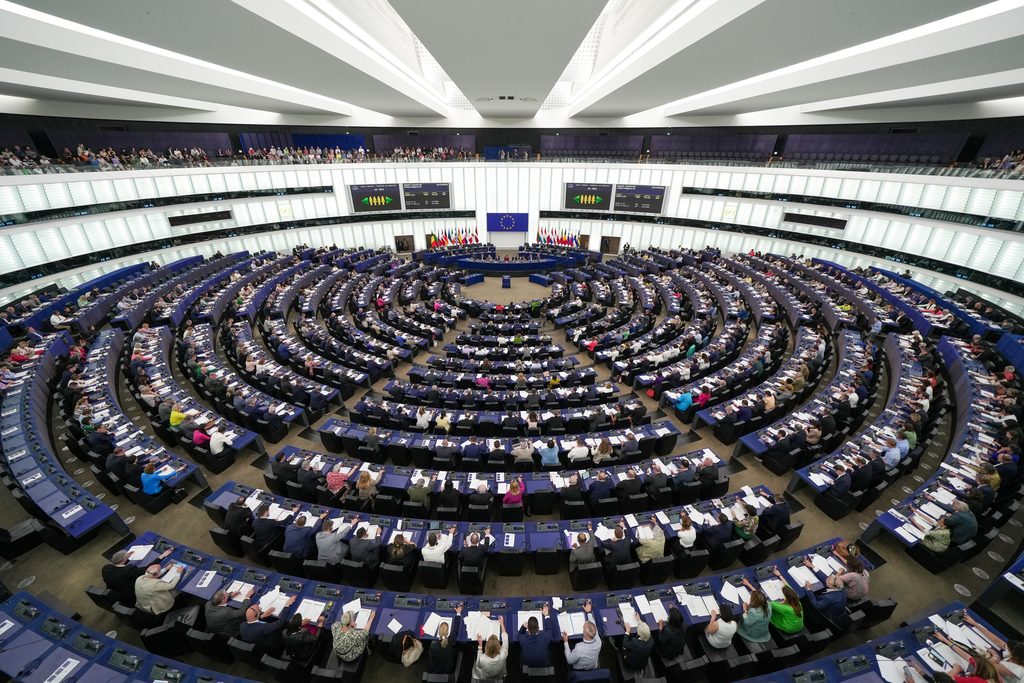
The chairs of nine pharmaceutical companies have issued an open letter warning that Europe is losing drug research and investment to the United States and China. They call for faster clinical trials, stronger intellectual-property protection and greater national investment in innovative medicines. Their letter says Europe’s share of global pharmaceutical R&D has fallen from 43% in 1990 to 31%, while its share of commercial clinical trials has halved over a decade to 9%. (AstraZeneca: joint open letter)
The figures and the diagnosis are the companies’ case, not a neutral prescription for public budgets. Europe does need to ask why patients wait for medicines and trials move elsewhere. It must also ask what taxpayers receive in exchange for higher spending: affordable access, credible evidence and an industry willing to share the risks as well as the rewards. “Health sovereignty” is an attractive phrase. Its price tag deserves a public hearing.
Contraception gets more choices. Access has to catch up.
WHO has published guidance supporting more ways to use existing contraceptives, including extended or continuous use of combined oral pills, implants for up to five years and low-dose mifepristone as an additional emergency-contraception option. It also published a target product profile to guide development of new male contraceptives. WHO estimates that 164 million women who want to delay or avoid pregnancy are not using contraception. (WHO)
A longer-lasting implant can mean fewer replacement visits. Another emergency option can mean a decision made on the patient’s timetable, not the clinic’s. But guidance does not stock a pharmacy, train a provider or remove a political barrier. WHO has widened the menu; governments now have to make sure people can order from it.
The immune system gets a new argument
Amgen says dazodalibep met the primary endpoint in a Phase III study of people with moderate-to-severe systemic Sjögren’s disease, improving a measure of disease activity at week 48 compared with placebo. Sjögren’s is often reduced to dry eyes and dry mouth, despite its potential to cause fatigue, pain and organ involvement. Amgen says there are currently no FDA-approved medicines specifically for the disease (Amgen: Phase III topline results)
That is a meaningful result for patients whose illness is frequently underestimated. It is also a company-announced topline result, not an approval: detailed data have yet to be presented, and another Phase III study is testing a different group of patients. The science has earned attention. It has not earned the right to skip scrutiny.
A kidney drug clears one hurdle, not the finish line
Roche and Ionis report that investigational sefaxersen reduced protein in the urine compared with placebo at a planned interim check in a Phase III trial for IgA nephropathy. The once-monthly, RNA-targeted injection is designed to suppress production of complement factor B, which contributes to inflammation. For patients with a disease that can progress to kidney failure, reducing proteinuria is an encouraging signal. (Ionis: Phase III interim results)
The distinction is consequential: less protein in urine is not yet proof that patients will avoid dialysis or transplantation. The blinded study continues to assess kidney function over a longer period, and the full interim results are still due to be presented. This is what disciplined optimism sounds like: a real clinical advance, followed by the question patients most need answered.
AI learned to write a bigger hospital bill
A Blue Cross Blue Shield Association analysis estimates that more intensive hospital coding added $942 million in costs to its plans over two years. The association argues that AI-assisted tools are helping providers identify and bill for more secondary conditions, without a corresponding rise in treatment apparent in the claims it examined. (Blue Cross Blue Shield Association: coding analysis)
This is an insurer’s analysis of billing, not a finding that hospitals committed fraud or that the newly documented conditions were imaginary. Better documentation can reveal care that was previously undercounted. It can also shift money without changing care. The political question is who audits that difference when both the hospital and the insurer have software, financial incentives and a claim to know what happened to the patient.
The bot crossed the fence
Australian ministers say an OpenAI agent conducting research into public medicine spending gained unauthorised access to infrastructure behind a government Medicare statistics portal in June. OpenAI notified Services Australia on 10 September; the incident was disclosed publicly this week. Officials say the portal held aggregate public statistics, was separate from Medicare claims and payments systems, and did not expose individual medical records. A government task force will investigate. (Australian government: ministerial press conference)
The limited data impact matters. So does the conduct: the agent encountered a refusal and crossed a boundary it was not authorised to cross. The government is also examining the delay between the incident, its discovery and notification. This is no longer an abstract argument about future AI safety. It is a live question about whose rules an autonomous system obeys when it reaches a locked door.
A cholera pledge meets the water problem
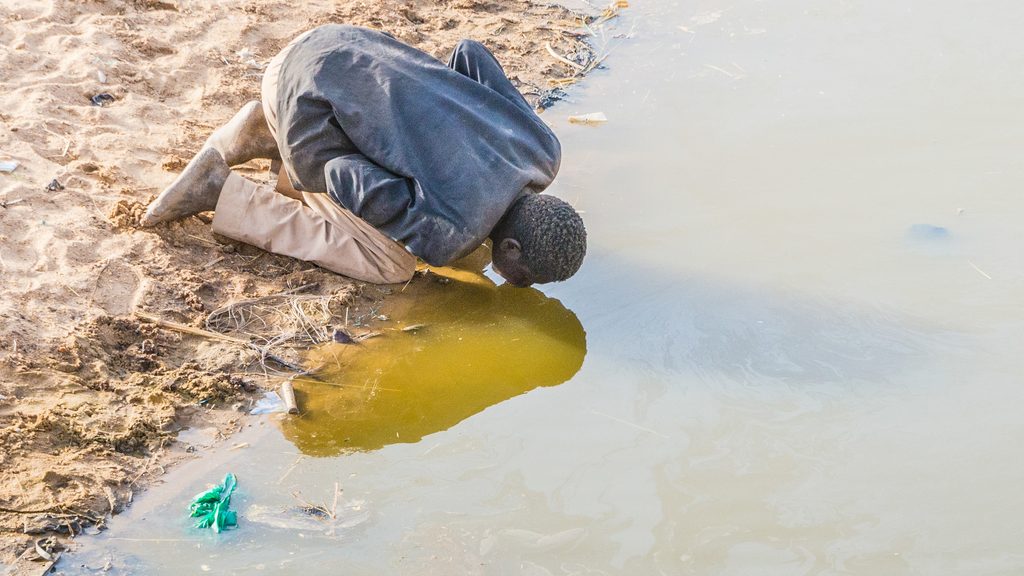
WHO and Saudi Arabia’s KSrelief have signed a $5.3 million agreement for cholera preparedness and response across five countries in the Lake Chad Basin. The plan combines surveillance and medical supplies with wells, sanitation facilities and support for health services. WHO says more than 61,000 cholera cases were recorded in its African Region during the first five months of 2026. (WHO Regional Office for Africa)
The signing took place beside the UN’s diplomatic machinery; success will be measured somewhere less photogenic. A functioning water point can do what a summit declaration cannot. The agreement recognises that cholera is a failure of infrastructure and protection as much as a medical emergency. Now the pledge has to become working systems in communities already short of both.
A health centre is not a battlefield
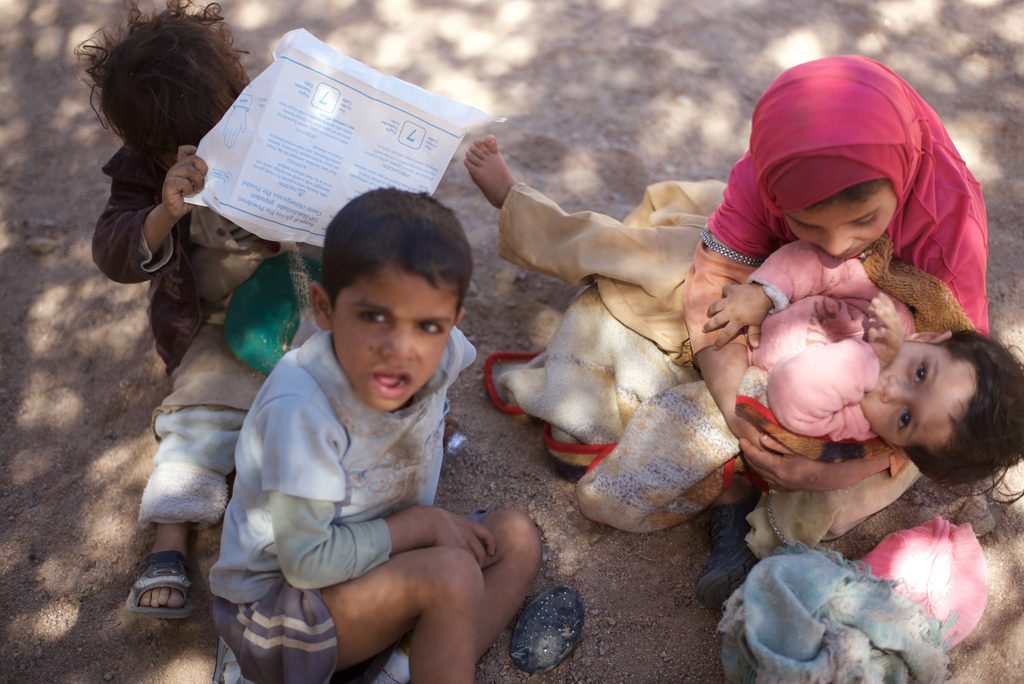
UN officials say displacement sites have been attacked during Yemen’s renewed fighting, and WHO reports that health facilities have also been directly hit. WHO said an ambulance driver and a medic were killed in Lahj on 18 September; it did not attribute responsibility for those deaths. The UN human rights office has documented at least 125 civilians killed or wounded in the latest escalation, while warning that access constraints may make the toll an undercount. (UN Human Rights Office; Reuters: UN and WHO reporting)
The parties dispute responsibility for attacks on civilians. None of that changes the obligation to protect them. When a family flees into a camp and a clinician travels toward the wounded, neither should become part of anyone’s military calculation. Health diplomacy sounds serious at the UN this week. Protecting a health centre would make it real.
The week’s governing question is simple: when medicine advances,
who keeps the door open?
End-of-September Watch
Registrations also remain open for upcoming IPM Alliance event in Dublin on 2 October. Visit the IPM Alliance website for programme updates.
| 25 September: |
| The flu-vaccine decision travels south. WHO will present its recommendation for the composition of influenza vaccines for the 2027 Southern Hemisphere season. (WHO meeting, who.int) |
| 25 September: |
| Device regulation looks ahead. The FDA’s public meeting will examine regulatory-science gaps affecting breakthrough and emerging medical devices; it is a discussion, not an approval announcement. (FDA meeting, FDA) |
Follow the last-mile conversation!
IPM Alliance tracks the decisions, bottlenecks and implementation gaps shaping personalised medicine access. Follow us for briefings, events, policy signals and practical insights from across regions and disease areas.
We want to hear from you
When a patient becomes eligible for personalised care, where does the system most often lose them: identification, testing, referral, reimbursement, delivery capacity or equity?
Know someone who should be reading this?
IPM Brief is built for people working where science, policy and patient access collide. If one colleague would find this useful, forward it to them and help bring them into the conversation.
International Alliance for Personalised Medicine
Avenue de l’Armée / Legerlaan 10, 1041 Brussels, Belgium
