Happy Tuesday.
Medicine used to be easier to describe. A drug was a drug. A treatment happened in a hospital. A trial produced evidence. A factory made the product. A safety label sat quietly in the background. A health budget belonged to politics, not to the clinic.
Not anymore.
This week, medicine keeps changing address. Cancer treatment is moving away from the infusion chair. Alzheimer’s treatment is moving into the home. A rectal-cancer drug is challenging the assumption that surgery must follow diagnosis. A liver-cancer therapy did not lose at the trial stage, but at the factory gate. Baby formula turned supplier oversight into a parental-trust crisis. Germany sent pharma the bill. Medicaid entered a congressional race. China is no longer renting the lab. And a Nobel laureate just made Beijing part of the scientific-talent story.
The medicine is no longer just the molecule. It is the device, the home, the factory, the supplier, the rebate law, the ballot, the label, the licensing deal, the scientist and the rulebook around it.
That is where the fight is now.
- The Infusion Chair Just Lost a Customer. Sanofi’s Sarclisa Escena became the first FDA-approved anticancer treatment administered through an on-body injector and manual subcutaneous injection. The medicine did not just change formulation. It changed the treatment event.
- Alzheimer’s Care Just Came Home. FDA approved Leqembi Iqlik as a subcutaneous initiation dose for early Alzheimer’s disease. A disease known for specialist bottlenecks just moved part of the treatment journey closer to the patient.
- The Best Surgery May Be No Surgery. GSK’s Jemperli met its main goal in a rectal-cancer trial where the prize is not only treating disease. It is avoiding surgery, radiation and life-altering damage.
- The Trial Said Yes. The Factory Said No. FDA rejected Elevar and Hengrui’s liver-cancer combination again, this time over manufacturing-site deficiencies. The molecule may have evidence. The factory still gets a vote.
- The Supply Chain Reached the Crib. FDA is urging formula makers to tighten supplier oversight after recalls and infant botulism outbreaks. Trust in health starts with the products parents feed their children.
- Germany Sent Pharma the Bill. Germany approved a healthcare cost law that raises mandatory drugmaker rebates and freezes some vaccine prices. Europe’s biggest pharma market is turning budget pressure into industrial-policy risk.
- Medicaid Is Now on the Ballot. A New York congressional race is becoming an early test of how voters respond to federal healthcare reductions. The campaign fight is about Medicaid, but the local stakes are hospitals, clinics and coverage.
- The Contraceptive Label Had to Grow Up. EMA’s safety committee backed new warnings for desogestrel and etonogestrel contraceptives after a small meningioma signal. The job is not panic. The job is honest risk communication.
- China Is No Longer Renting the Lab. China’s innovative drug out-licensing reached about $110 billion in the first half of 2026, while AstraZeneca signed another major Chinese lung-cancer deal. The innovation map is moving.
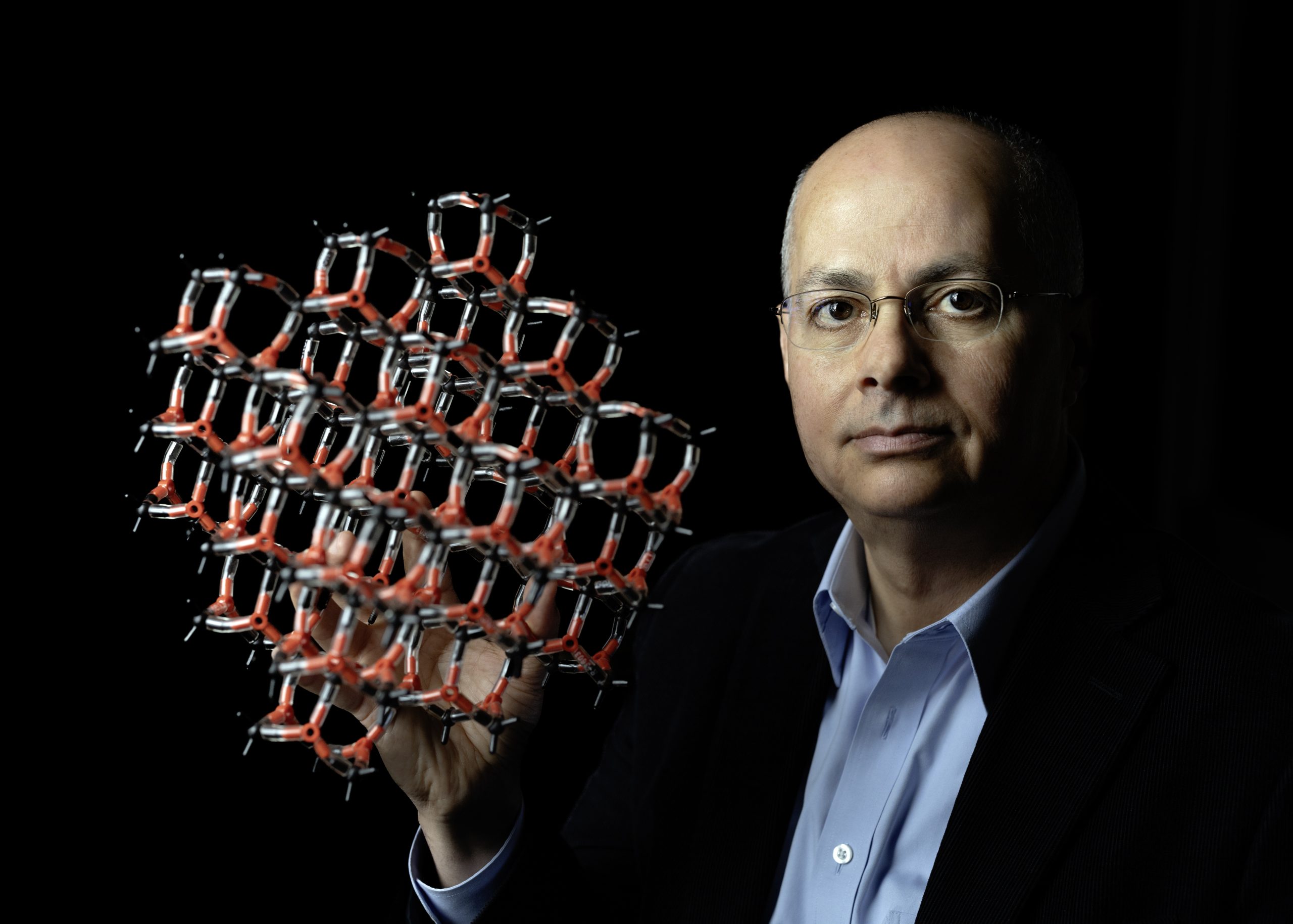
- A Nobel Prize Just Changed Address. Nobel-winning chemist Omar Yaghi has taken a full-time post at Tsinghua University to lead an AI-assisted materials discovery institute. Scientific talent is now part of geopolitical infrastructure.
- The Outbreak Is in the Salad Aisle. CDC has reported 843 domestic cyclosporiasis cases across 31 states, with source investigations still ongoing. Food safety is still detective work with consequences.
- Stage IV Is No Longer Always a Stop Sign. A small study suggests lung transplant may help a highly selected group of stage IV lung-cancer patients whose disease is confined to the lungs. Old exclusion rules are being tested.
| This is not another health news digest. It’s a twice-weekly readout of where evidence meets power and where power must turn into action. |
The Infusion Chair Just Lost a Customer
Sanofi’s subcutaneous Sarclisa Escena has been approved in the United States across the existing multiple myeloma indications of the IV formulation. The new version can be delivered in about 13 minutes, compared with IV infusions that can take up to three hours, and can be administered through an on-body injector or manual subcutaneous injection. This is not only a convenience story. It is a redesign of what the treatment visit costs in time, staff, chairs and patient exhaustion. (Sanofi, Reuters)
This is where modern medicine is quietly changing shape. The value of a treatment is not just what it does to the disease. It is also whether the patient loses half a day to an infusion chair, whether the clinic has capacity, whether nurses can handle the volume and whether care can be delivered without turning life into a calendar of appointments. A drug that gets off the drip may also take pressure off the system.
Alzheimer’s Care Just Came Home
FDA has approved Leqembi Iqlik, the subcutaneous form of Eisai and Biogen’s Alzheimer’s drug, as an initiation dose for early Alzheimer’s disease. The approved initiation regimen is 500 mg once weekly, delivered as two 250 mg injections, each administered in approximately 15 seconds. The decision allows certain patients to begin treatment through injections administered by themselves or a caregiver. (Eisai, Reuters)
This is bigger than a delivery tweak. Alzheimer’s care already depends on early diagnosis, amyloid confirmation, monitoring, specialist access and family capacity. Moving treatment closer to home may reduce one burden, but it also shifts responsibility into the household. The future of care is not simply hospital versus home. It is whether the system can support people safely when the hospital is no longer the centre of every treatment event.
The Best Surgery May Be No Surgery
Jemperli met the primary objective in an interim analysis of AZUR-1, a phase II trial in dMMR/MSI-H locally advanced rectal cancer, with a clinically significant rate of participants showing no detectable signs of cancer one year or more after treatment. This tumour subtype affects about 5% to 10% of roughly 730,000 annual rectal-cancer cases worldwide, while standard care can include chemotherapy, radiation and surgery, with lasting consequences including infertility and lifelong colostomy. (GSK, Reuters.)
This is personalised medicine at its most human. The biomarker is not interesting because it looks elegant in a slide deck. It is interesting because it may help some patients avoid the knife, the stoma, the radiation injury and the permanent disruption that follows. The best treatment is not always the one that adds more intervention. Sometimes it is the one that removes an intervention from the patient’s future.
The Trial Said Yes. The Factory Said No.
FDA has declined again to approve Elevar Therapeutics and Hengrui Pharma’s rivoceranib plus camrelizumab combination for first-line advanced hepatocellular carcinoma. This is the third FDA rejection in three years, with the latest complete response letter citing deficiencies at a manufacturing site associated with rivoceranib. FDA had previously acknowledged substantial clinical data supporting the application, but manufacturing concerns have remained a barrier. (Reuters)
That is the uncomfortable lesson: the factory is part of the medicine. Patients do not experience a drug as a molecule plus a separate manufacturing footnote. They experience whether the product arrives, whether regulators trust it and whether quality can be guaranteed at scale. Evidence may get a medicine to the door. Manufacturing decides whether it becomes real.
The Supply Chain Reached the Crib
FDA has urged infant-formula manufacturers and supply-chain partners to strengthen supplier oversight after multiple recalls and recent infant botulism outbreaks. These were the first US botulism outbreaks linked to baby formula in nearly 50 years, involving two powdered infant-formula brands, ByHeart and Nara Organics. FDA said manufacturers must understand where ingredients come from, how they are produced, what risks they carry and whether those risks are controlled.(FDA, Reuters)
This is supply-chain policy stripped of jargon. When baby formula fails, nobody cares whether the weak point sat inside the brand, the supplier, the ingredient, the importer or the oversight system. Parents see only one thing: the product meant to feed a child became a risk. Health systems talk about innovation at the top of the pyramid. Trust often breaks at the bottom.
Germany Sent Pharma the Bill
Germany’s upper house approved a healthcare cost law aimed at stabilising statutory health-insurance finances. The reform increases mandatory rebates from drugmakers, limits hospital cost increases and changes health-service payments. Industry groups and companies including Eli Lilly, AstraZeneca, Pfizer and Merck KGaA warned the measures could deter investment and harm innovation, with concerns including a manufacturer discount increase to 15.5%, higher vaccine rebates and a patented-vaccine price freeze from 2027 to 2030. (Reuters)
Germany has a real cost problem. Pretending otherwise is fantasy politics. But blunt cost control can become a quiet tax on the innovation system a country claims it wants to host. The question is not whether public insurance should be protected. It should. The question is whether Germany can cut pressure from the health budget without cutting its own life-sciences credibility at the same time.
Medicaid Is Now on the Ballot
A closely watched congressional race in New York is becoming a test of how voters respond to federal healthcare reductions, with Republican Representative Mike Lawler facing healthcare attacks in a high-stakes House battle. Democrats are using Republican-backed Medicaid reductions as a midterm attack line, while federal estimates and KFF analysis put the Medicaid spending reduction at $911 billion over ten years, close to $1 trillion before accounting for interactions. (POLITICO Pro, Reuters, KFF)
This is more than an American campaign story. Healthcare budgets eventually become patient pathways. A funding reduction may be described in Washington as an efficiency measure, but locally it can mean fewer clinicians, a struggling hospital, a closed clinic or a patient who loses coverage. Precision medicine cannot be implemented through scientific progress alone. The system must still be capable of diagnosing the patient, funding the treatment and keeping the door to care open.
The Contraceptive Label Had to Grow Up
EMA’s Pharmacovigilance Risk Assessment Committee agreed new safety communication for contraceptives containing desogestrel or etonogestrel after reviewing a large French epidemiological study. PRAC found a small increased risk of meningioma with current, prolonged use beyond one year, while stressing that the overall likelihood remains very low. The estimate is about one additional case for every 67,300 women using these medicines, and EMA says use is now contraindicated in women who have, or previously had, meningioma. (EMA, Reuters)
This is exactly why safety communication has to grow up. Too little information looks like concealment. Too much drama turns a small signal into fear. Women need the number, the meaning and the practical action, not vague reassurance and not panic theatre. Trust is built when regulators can say: the risk is small, the signal is real, the label is changing and here is what to do.
China Is No Longer Renting the Lab
China’s innovative drug out-licensing deal value reached about $110 billion in the first half of 2026 across 81 deals. In the same week, AstraZeneca agreed to license global rights to Dizal Pharmaceutical’s lung-cancer drug sunvozertinib in a deal worth up to $1.5 billion, including $600 million upfront. A late-stage trial found median progression-free survival of 10.3 months with sunvozertinib versus 7.5 months with chemotherapy. (Reuters, Reuters)
This is the China story without the old script. China is not only a market, a manufacturing base or a place where multinationals run trials. It is becoming a source of assets, evidence and licensing leverage. The pipeline is becoming multipolar. Europe should notice before it becomes the continent that debates competitiveness while everyone else signs the deals.
A Nobel Prize Just Changed Address
Nobel-winning chemist Omar Yaghi has taken a full-time position at Tsinghua University in Beijing, where he will lead a new AI-assisted materials discovery institute. Tsinghua says Yaghi, the 2025 Nobel Laureate in Chemistry, has joined the university on a full-time basis as a chair professor. The move lands inside a wider contest over science funding, AI infrastructure and international talent recruitment.(Nature, Tsinghua University)
This is not a health story in the narrow sense. It is a science-power story. AI-assisted materials discovery shapes batteries, devices, sensors, drug delivery, diagnostics and the industrial base behind future medicine. Talent is infrastructure. So are labs, cloud capacity, data, funding and political ambition. The question is no longer only where the next drug is sold. It is where the next scientific platform is built.
The Rest-of-July Watch
| 15–17 July, Amsterdam: |
| EMA’s Committee for Advanced Therapies meets. Cell and gene therapies remain the frontline where promise, evidence, manufacturing and affordability collide. (EMA) |
| 20–23 July, Amsterdam: |
| EMA’s CHMP meets on human medicines. Watch for which products move from evidence toward approval, and which will later face the tougher fight over launch, pricing and availability. (EMA) |
| 21–24 July, Amsterdam and online: |
| EMA’s Paediatric Committee meets. The question is whether children get evidence early, or remain an afterthought in adult-led medicine. (EMA) |
| 22 July, Americas and online: |
| PAHO looks at neonatal sepsis and antimicrobial resistance. Newborns need diagnostics, antibiotics and care before infection becomes irreversible. (PAHO) |
| 23–24 July, Silver Spring and online: |
| FDA’s compounding advisers review controversial peptides, where wellness culture, grey-market medicine and evidence standards meet in public. (FDA) |
| 29–30 July, FDA online: |
| FDA cell and gene therapy advisers review deramiocel for Duchenne muscular dystrophy cardiomyopathy and vusolimogene oderparepvec with nivolumab for advanced melanoma. Two tests of how regulators handle high-need biology with complex evidence. (FDA) |
Follow the last-mile conversation!
IPM Alliance tracks the decisions, bottlenecks and implementation gaps shaping personalised medicine access. Follow us for briefings, events, policy signals and practical insights from across regions and disease areas.
We want to hear from you
When a patient becomes eligible for personalised care, where does the system most often lose them: identification, testing, referral, reimbursement, delivery capacity or equity?
Know someone who should be reading this?
IPM Brief is built for people working where science, policy and patient access collide. If one colleague would find this useful, forward it to them and help bring them into the conversation.
International Alliance for Personalised Medicine
Avenue de l’Armée / Legerlaan 10, 1041 Brussels, Belgium
This email was sent to jayasinghtec29@gmail.com. You are receiving this email because you are part of the IPM Alliance network or have engaged with our activities, briefings, events, or policy work.
