
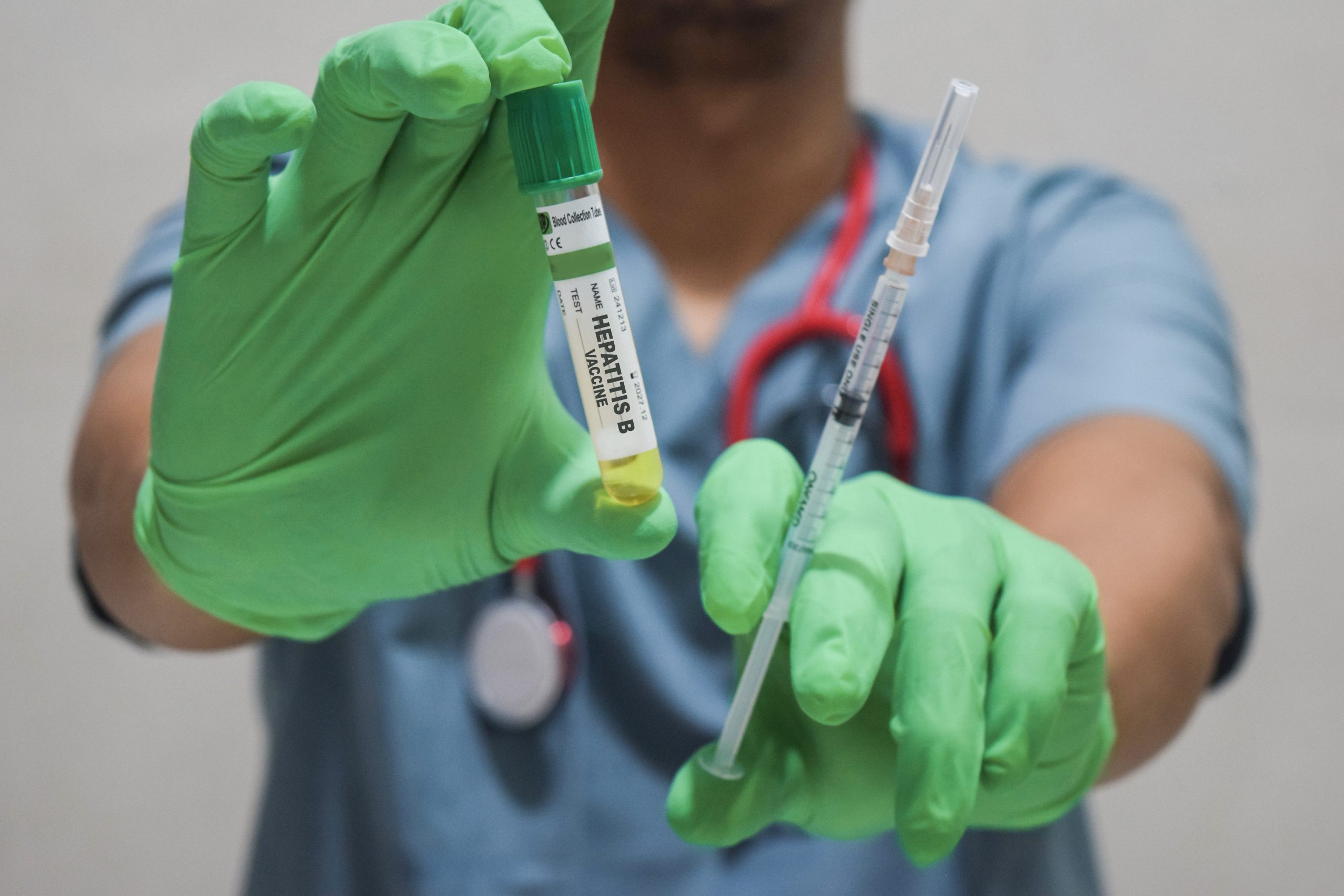
IPM Take
Bepirovirsen is clinically important because chronic hepatitis B treatment has long been dominated by viral suppression rather than cure. But the implementation lesson is bigger than one product. A functional-cure therapy only matters if health systems can find people living with hepatitis B, stage disease, monitor safety, pay for treatment and reach patients before cirrhosis or liver cancer develops. Scientific progress is moving; the diagnosis pathway is still too weak.
Executive Summary
On 28 May 2026, GSK announced Phase III B-Well 1 and B-Well 2 results for investigational bepirovirsen in chronic hepatitis B, with simultaneous publication in the New England Journal of Medicine and presentation at the European Association for the Study of the Liver congress. Pooled data showed a 19% functional cure response rate, 233 of 1,220 patients, versus 0 of 614 in the placebo group among adults with baseline HBsAg ≤3000 IU/mL. In the key secondary subgroup with baseline HBsAg ≤1000 IU/mL, the functional cure rate was 26%, 200 of 768, versus 0 of 393 in placebo.
Why it matters
- Regulators: Need to assess whether the functional-cure signal, safety profile and durability are strong enough for approval.
- Payers: Must prepare for value questions around a finite treatment course versus long-term antiviral therapy.
- Patients / advocates: Should push for hepatitis B testing and linkage to care, because cure innovation cannot help people who remain undiagnosed.
Before bepirovirsen, chronic hepatitis B care largely relied on long-term antiviral suppression. That can reduce disease progression, but many patients require prolonged or lifelong therapy and functional cure remains uncommon in routine care.
What has changed is the Phase III signal. Bepirovirsen, an investigational antisense oligonucleotide, is designed to target hepatitis B virus RNA and reduce viral proteins. In B-Well, a six-month treatment course produced functional cure in a defined proportion of patients, with a higher response in participants with lower baseline HBsAg. GSK reported an acceptable safety and tolerability profile, with injection-site erythema, local pain and temporary liver enzyme increases among the most frequent adverse events.
The affected population is adults living with chronic hepatitis B who meet future label and pathway criteria, if approvals are granted. That caveat matters. Bepirovirsen is not yet routine care. FDA has accepted the application for priority review and granted Breakthrough Therapy Designation, with a PDUFA date of 26 October 2026.
For IPM, this is a classic access threshold moment. The science is moving toward finite, potentially curative therapy. But hepatitis B elimination still depends on testing, diagnosis, affordable access and follow-up systems. Without that infrastructure, functional cure risks becoming available only to patients already visible to specialist care.
