
IPM Take
This is not an approval, and it should not be sold as one. But it is a serious signal. Alzheimer’s diagnostics are becoming an access market, and the most important tests will not only be the most technically impressive ones. They will be the tests that fit real pathways: primary care, memory clinics, laboratory capacity, cost, patient acceptability and referral rules. A urine-based test, if validated, could lower barriers. It could also create overuse if systems do not define who should be tested and what happens next.
Executive Summary
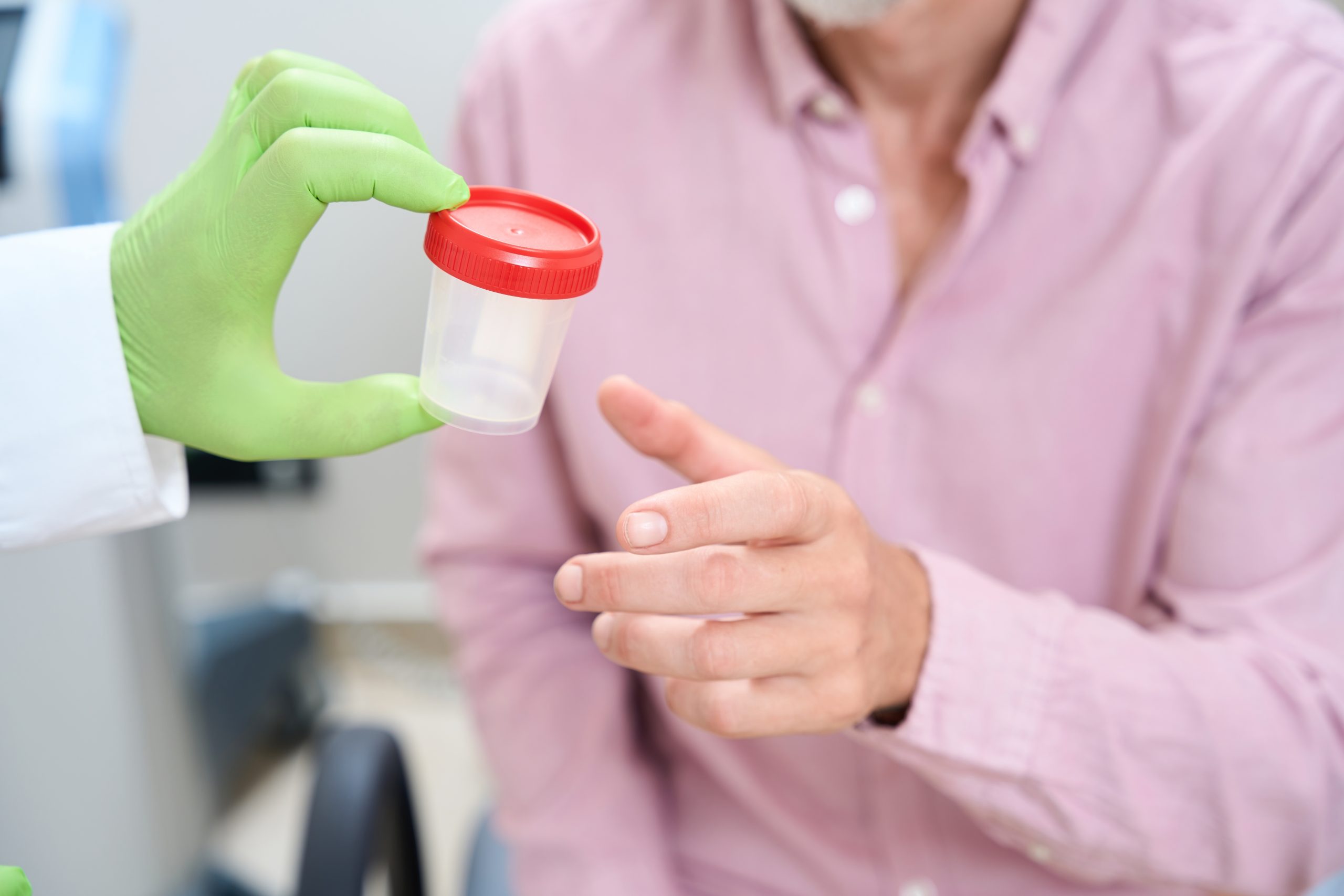
TOBY received FDA Breakthrough Device Designation for the TOBY Test for Alzheimer’s Disease. The company says the test is designed to aid diagnosis using urinary volatile organic compound patterns analysed through mass spectrometry and machine-learning algorithms. The proposed indication is adults aged 50 years and older who present with signs and symptoms of cognitive impairment and are undergoing evaluation for Alzheimer’s disease. Test results are intended to be interpreted alongside other clinical information, not used as a standalone diagnosis.
Why it matters
- Regulators: The question is not only whether the technology is promising. It is how to evaluate an easier test before it enters a crowded, emotional and high-demand dementia pathway.
- Clinicians: A simpler sample does not make diagnosis simple. Clinicians will still need to explain uncertainty, rule out other causes and know when to refer.
- Patients / advocates: Less invasive testing could shorten the diagnostic journey, but only if people receive counselling, confirmation and care planning after the result.
Dementia diagnosis has a bottleneck problem. Specialist access is limited. PET scans and cerebrospinal fluid testing are not easy to scale. Families often wait too long for a clear answer.
That is why a urine-based Alzheimer’s test matters, even before approval.
TOBY’s approach looks for urinary volatile organic compound patterns and applies machine learning to support diagnostic evaluation. The promise is obvious: a simple sample, less invasive than lumbar puncture, potentially easier to deploy than advanced imaging, and more acceptable to many patients.
But the political question is not only whether the test works. It is whether health systems can govern the demand it may create. Alzheimer’s testing is emotionally charged. A tool used too broadly could produce anxiety, false reassurance, unnecessary referrals or unclear results. A tool used well could help triage patients earlier and more fairly.
The eligible population matters. The proposed use is not the general public. It is adults aged 50 and older with signs or symptoms of cognitive impairment who are already being evaluated for Alzheimer’s disease.
For IPM, the message is clear. Dementia diagnostics are becoming simpler at the front end, but the back end still needs to be built: confirmation, counselling, treatment eligibility, care planning and reimbursement.
