
IPM Take
Cardiology has spent years telling patients to “eat better.”
The new question is whether health systems have made that advice realistically possible.
The American College of Cardiology’s 2026 scientific statement on food and cardiovascular health does more than endorse Mediterranean-style diets, whole grains or unsaturated fats. It reframes nutrition as part of the infrastructure of cardiometabolic care.
Diet quality, the ACC argues, depends not only on what patients know but on what food is available, affordable, accessible and practical to prepare. Translating nutritional evidence into better cardiovascular outcomes therefore requires more than advice in the consultation room. It requires dietary counseling, access to nutrition professionals, Food Is Medicine programmes, better food environments and public policy.
That is the policy shift worth watching.
A prescription for vegetables means little if the patient cannot afford them. Telling someone to reduce sodium is harder when inexpensive food is dominated by highly processed products. And as GLP-1 therapies reshape obesity and cardiovascular prevention, drug treatment does not eliminate the need to protect nutritional quality, lean mass and micronutrient intake.
The statement is not a binding guideline. But it signals a broader change in cardiovascular medicine: nutrition is moving from lifestyle advice toward an intervention health systems may increasingly be expected to organise, measure and support.
Executive Summary
The ACC scientific statement, published in JACC on 30 September, reviews evidence covering dietary patterns, macronutrients, micronutrients, ultra-processed foods, food insecurity, intermittent fasting, GLP-1 treatment and emerging Food Is Medicine interventions.
Its core clinical argument is straightforward: cardiovascular risk appears to depend more on food quality, food source and degree of processing than on the percentage of calories coming from carbohydrate, fat or protein.
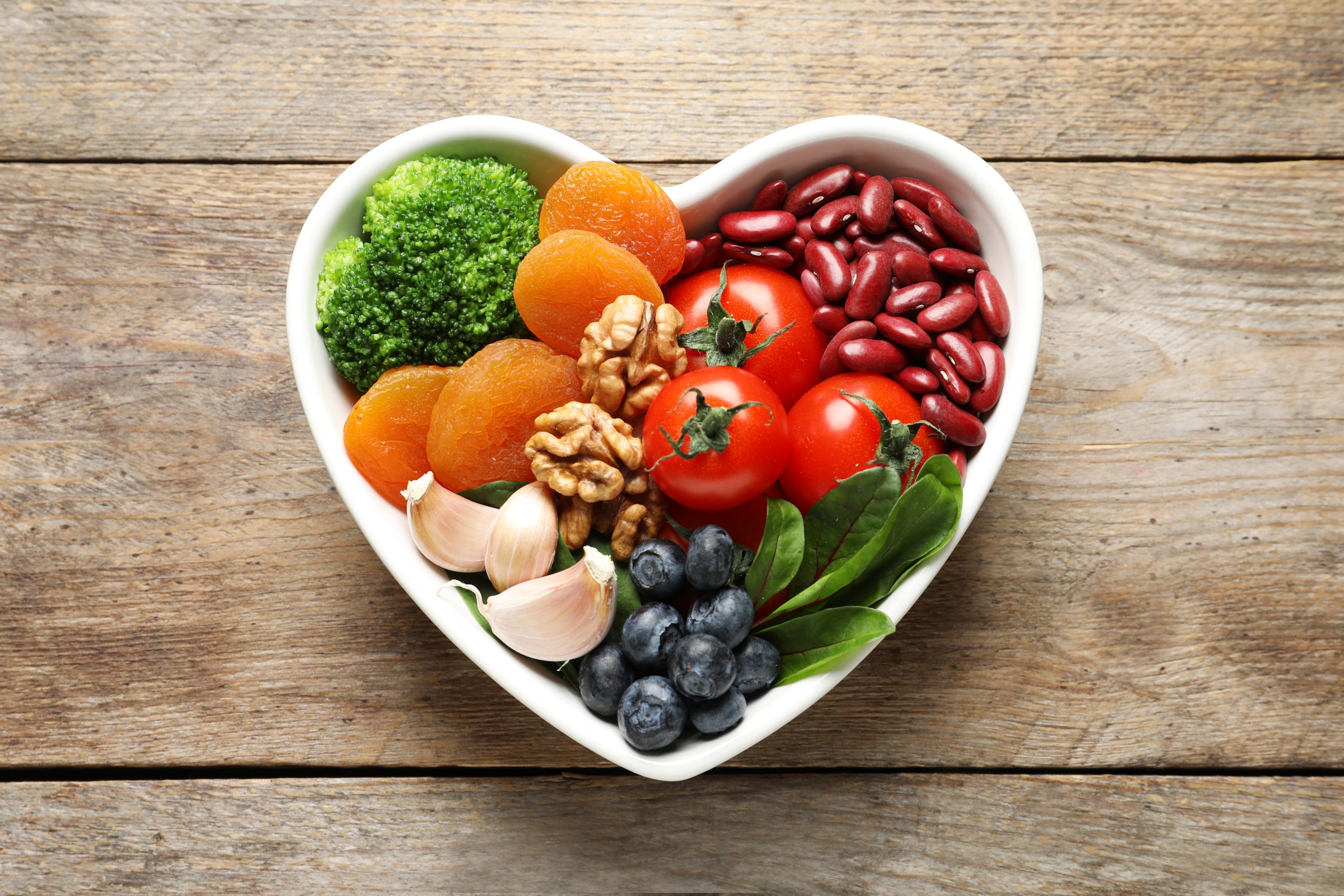
The statement supports dietary patterns centred on vegetables, fruits, whole grains, legumes, nuts, seeds, healthy protein sources and unsaturated fats. It recommends limiting refined starches, added sugars, excessive sodium, saturated fats and nutritionally poor highly processed foods. Mediterranean and DASH-style patterns remain among the best-supported approaches.
But the document places those recommendations within the wider cardiovascular-kidney-metabolic, or CKM, framework. Nutrition is presented as relevant not only to heart disease but also to obesity, type 2 diabetes and chronic kidney disease. That mirrors the first AHA/ACC CKM guideline released earlier in 2026, which formally treats these conditions as interconnected rather than isolated disease silos.
The statement also makes social context part of the clinical problem. Access to healthy food is shaped by availability, affordability, accessibility and the ability to obtain, prepare and use nutritious food.
Why it matters
- HTA bodies: Nutrition-based interventions increasingly extend beyond general public-health advice into structured clinical programmes. As Food Is Medicine models mature, assessors may face questions about which interventions produce durable clinical benefit, for whom, and whether benefits justify integration into funded care pathways.
- Payers: The statement raises an uncomfortable reimbursement question. Health systems routinely pay for medicines treating hypertension, diabetes and cardiovascular disease, while structured dietary support and access to healthy food may remain fragmented or unfunded. Evidence on cost-effectiveness and sustainable reimbursement for nutrition interventions will become increasingly important.
- Industry / innovation partners: Cardiometabolic innovation is no longer only about drugs. GLP-1 support programmes, medical nutrition, food prescription models, digital dietary tools and better food labeling could increasingly sit alongside pharmacological treatment, but products will need evidence of measurable clinical value rather than wellness claims alone.
For decades, nutrition debates have been built around villains.
Fat. Carbohydrates. Salt. Sugar. Cholesterol.
The ACC’s new statement argues that cardiovascular medicine needs to move beyond that model.
The better question is not simply how much carbohydrate, fat or protein someone consumes. It is where those nutrients come from, how heavily the food is processed and what the person’s overall dietary pattern looks like over time.
That sounds like a nutritional distinction.
It is increasingly a policy distinction too.
From nutrient wars to dietary patterns
The ACC supports several dietary patterns rather than declaring one universally optimal diet.
Mediterranean, DASH, vegetarian and other plant-rich approaches share recurring features: vegetables, fruits, whole grains, legumes, nuts and healthier protein sources, together with a greater reliance on unsaturated rather than saturated fats.
The statement also stresses that processing should not be treated as a binary category. Some processing improves safety and convenience. The concern is concentrated particularly around highly processed products that combine poor nutritional quality with refined carbohydrates, added sugars, excess sodium or unhealthy fats.
That nuance matters.
The debate is no longer simply “processed versus natural.” It is whether the food environment makes nutritionally strong choices the default or the difficult option.
Healthy eating is not equally available
This is where the statement becomes more politically and economically consequential.
A traditional clinical model assumes the clinician advises and the patient chooses.
The ACC instead acknowledges that choice operates within constraints.
Food availability, household income, transport, cooking facilities, time, food literacy and participation in nutrition assistance programmes can all influence whether a recommended dietary pattern is achievable.
Medical News Today similarly highlighted the statement’s emphasis on affordability and accessibility, noting that dietary counseling needs to account for whether recommended foods can realistically be obtained and sustained by the patient.
That changes the interpretation of dietary “adherence.”
Failure to follow nutritional advice may not simply be a failure of motivation.
It can also be a failure of the surrounding system.
Food starts looking more like an intervention
One of the statement’s most policy-relevant sections concerns Food Is Medicine.
These programmes connect nutritious food directly with healthcare and can include medically tailored meals, medically tailored groceries or produce prescriptions for people with diet-sensitive chronic conditions or food insecurity.
The concept is gaining attention because it turns food from background lifestyle advice into a defined healthcare intervention.
But the evidence base is still developing.
The ACC says such programmes can improve dietary quality and that evidence for clinical benefits is growing. At the same time, it identifies major implementation barriers including reimbursement, unequal access, insufficient clinician nutrition training and uncertainty over how programmes can be scaled sustainably.
That is where policy becomes unavoidable.
If food interventions become part of chronic disease management, somebody must decide who qualifies, who delivers them, what outcomes count, how long support lasts and who pays.
GLP-1s do not make nutrition obsolete
The statement also arrives in the middle of the biggest pharmacological disruption obesity medicine has seen in decades.
GLP-1-based therapies can deliver substantial weight reduction and cardiovascular benefit in appropriate populations.
But the ACC makes a point that could become increasingly important as these treatments reach larger populations: weight loss does not automatically guarantee nutritional adequacy.
Patients still require adequate protein, fibre, vitamins and minerals. Dietary quality remains relevant during treatment, particularly when substantial reductions in food intake create concern about preserving lean mass and maintaining appropriate nutrient intake.
The message is not that diet competes with GLP-1 therapy.
It is that pharmacotherapy and nutrition increasingly need to be managed together.
Not every nutrition trend receives the same endorsement
The statement is also notably cautious about approaches that dominate consumer nutrition culture.
Intermittent fasting, for example, may help some individuals lose weight and improve short-term metabolic outcomes. But the ACC says evidence for long-term health benefits remains limited.
That distinction illustrates the broader philosophy behind the document.
The goal is not to identify the next nutritional hack.
It is to build sustainable dietary patterns supported by the totality of evidence.
From the supermarket shelf to cardiovascular policy
The ACC has already begun moving into areas traditionally considered outside the cardiology clinic.
Its 2025 guidance on front-of-package food labeling argued that clear labeling of sodium, saturated fat and added sugars could help translate cardiovascular nutrition guidance into everyday purchasing decisions.
The new scientific statement goes further, calling for nutrition counseling, medical nutrition therapy, Food Is Medicine programmes, clinician education and public-policy interventions to work together.
That does not mean cardiologists are becoming food policymakers.
It means cardiovascular prevention increasingly depends on decisions made well beyond cardiology departments.
Food labeling, school meals, nutrition assistance, taxation, purchasing incentives, reimbursement and food availability can all influence whether evidence-based dietary recommendations survive contact with real life. The statement explicitly identifies these kinds of policies and programmes as potential tools for improving food environments.
And that may be the document’s most consequential message.
Cardiovascular medicine already knows a great deal about what a healthier diet looks like.
The unresolved question is whether health systems and public policy can make that diet easier to follow than the one that contributes to disease.
