
IPM Take
The GLP-1 safety conversation has been dominated by the gut.
Nausea, vomiting, diarrhoea and constipation are familiar parts of counselling and dose escalation. Hair loss is also already recognised in the prescribing information for some weight-management products.
The newer signal is more visible.
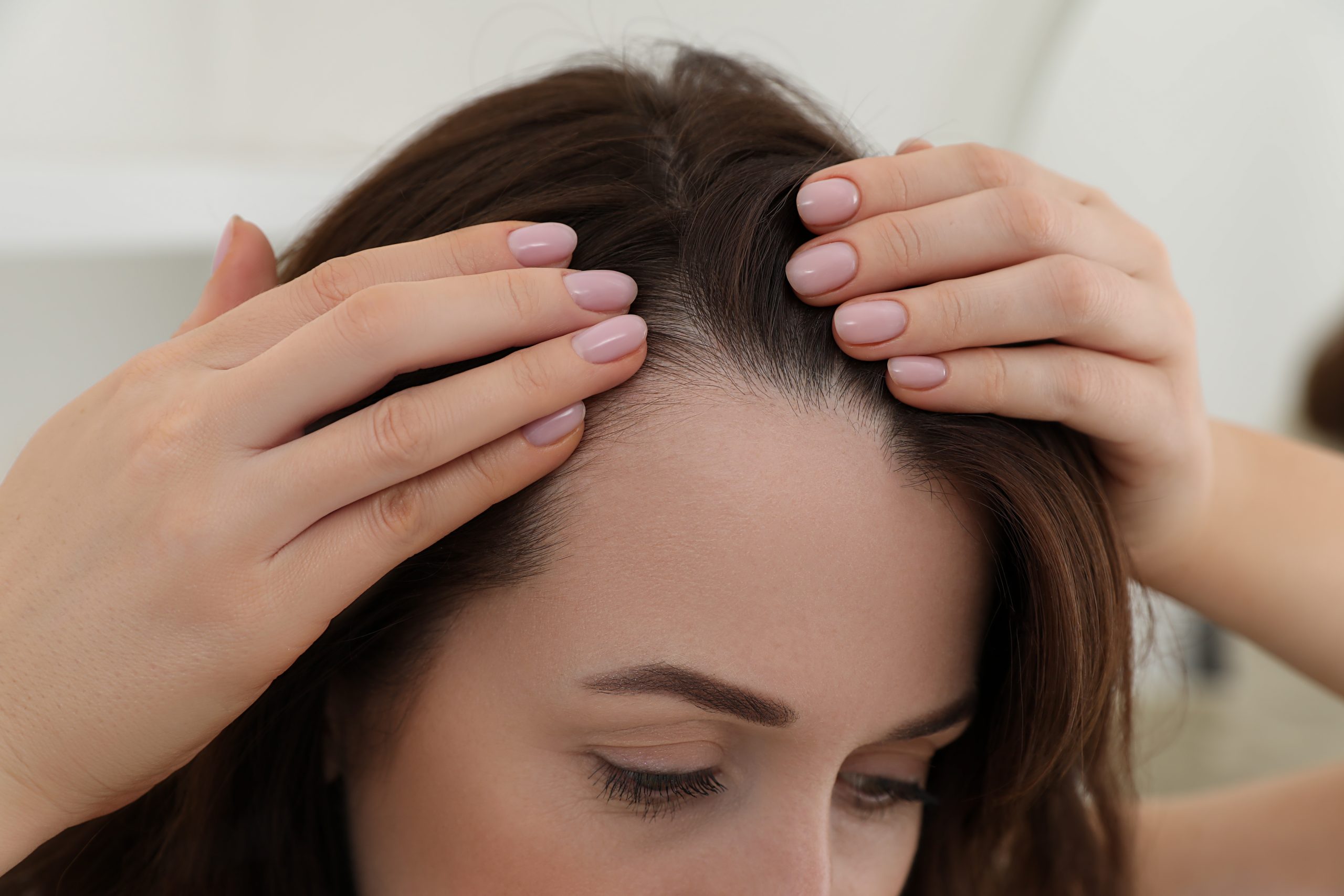
At EADV 2026, researchers reported higher rates of hair, scalp and nail complaints among GLP-1 users compared with people who had obesity or type 2 diabetes but had never used the drugs. Nail detachment, discoloration and new-onset hair loss all appeared more frequently in the treated group.
But this is not yet a new class-wide adverse-effect verdict.
The study was cross-sectional, based on patient reporting and supported by a dermo-cosmetics company. Around half of GLP-1 users already reported nail problems before treatment, and the investigators themselves stressed that the design cannot establish causation.
That distinction matters because the policy consequence should be better follow-up, not alarm.
Visible changes to hair and nails can feel minor beside cardiovascular or metabolic outcomes, but they can still affect adherence. If patients stop effective obesity or diabetes treatment because of a symptom that could have been evaluated, explained or managed, the health-system cost is not cosmetic.
The emerging challenge is to make GLP-1 care more multidisciplinary without turning every symptom into another reason to abandon treatment.
Executive Summary
The SCOP-GLP1 survey compared 575 GLP-1 receptor agonist users with 1,329 people with obesity and/or type 2 diabetes who had never used the drugs, across France, the United States, Brazil and Mexico. A further 3,900 people without obesity, diabetes or GLP-1 exposure formed a reference population, bringing the overall survey to 5,804 participants.
Among the metabolically comparable groups, more than two thirds of GLP-1 users reported at least one nail disorder during the survey period compared with just over half of controls.
Nail detachment was reported much more frequently among GLP-1 users, and discoloration was also more common. Hair and scalp complaints followed a similar pattern, with new-onset hair loss reported by 26.1% of GLP-1 users compared with 11.6% of controls.
The findings remained partly elevated after adjustment for pre-existing dermatologic conditions and nutritional deficiencies.
But the study cannot establish whether GLP-1 therapy caused these changes. The survey was observational and cross-sectional, symptoms were self-reported, and baseline nail problems were common. Reporting from the same conference abstract also suggests that the association weakened substantially when analysis was restricted to newly developed nail changes.
The practical message is therefore not that nail disorders have been established as a GLP-1 class effect.
It is that clinicians may need to ask more routinely about hair, scalp and nails, while investigating other explanations including nutritional deficiency, rapid weight loss and pre-existing dermatologic disease.
Why it matters
- HTA bodies: Real-world treatment value depends partly on persistence. Adverse effects that are clinically mild but highly visible can affect whether patients continue long-term therapy, making tolerability and supportive care relevant to effectiveness beyond trial efficacy.
- Payers: Discontinuation of expensive chronic therapy can undermine both clinical and economic value. Structured follow-up that identifies treatable nutritional or dermatologic contributors may be less costly than repeated switching, unplanned discontinuation or loss of therapeutic benefit.
- Industry / innovation partners: GLP-1 patient-support programmes are moving beyond dose titration and gastrointestinal symptoms. Dermatologic monitoring, nutritional assessment and clearer communication around reversible or manageable effects could become part of competitive differentiation, but emerging signals should not be converted into unsupported product claims.
For most patients starting a GLP-1 therapy, the side-effect conversation begins with the stomach.
Clinicians talk about nausea, vomiting, diarrhoea, constipation and the importance of dose escalation. Patients are warned that appetite may change dramatically. They may be told to protect protein intake, stay hydrated and report persistent gastrointestinal symptoms.
What they are less likely to be asked about is their hairbrush or their fingernails.
That may be starting to change.
At the European Academy of Dermatology and Venereology Congress in Vienna, researchers presented data suggesting that hair, scalp and nail complaints may be more common among people using GLP-1 receptor agonists than among people with a similar metabolic background who have never taken the drugs.
The findings arrive at an important moment.
GLP-1-based medicines are no longer niche diabetes therapies. They are becoming long-term treatments for obesity, cardiovascular risk reduction and broader metabolic disease. As exposure expands from thousands of trial participants to millions of people in routine care, adverse effects that were once peripheral become more relevant simply because so many patients may encounter them.
And some of those effects are difficult to ignore because patients can see them every day.
A side-effect signal that shows up in the mirror
The SCOP-GLP1 survey included participants from four countries and compared people taking GLP-1 therapies with controls who also had obesity or type 2 diabetes.
That comparison is important.
Obesity, diabetes, rapid weight change and nutritional deficiency can themselves affect hair and nails. Using metabolically similar controls is therefore more informative than comparing GLP-1 users only with healthy adults.
The results nevertheless showed substantial differences.
More than 66% of GLP-1 users reported at least one nail disorder, compared with 52.8% of controls. Nail detachment was reported in 39.3% of users versus 8.7% of controls, while discoloration was also considerably more frequent.
Hair and scalp symptoms were similarly prominent.
New-onset hair loss was reported by 26.1% of GLP-1 users compared with 11.6% of controls, while loss of hair volume or density and scalp redness were also reported more often.
Perhaps the most interesting detail was that hair shedding frequently appeared alongside itching, redness or scaling.
That matters because the simplest explanation for hair loss during rapid weight reduction is usually telogen effluvium, a diffuse shedding response that can follow major physiological stress, calorie restriction or rapid weight loss.
Inflammation complicates that story.
If the scalp is red, itchy or scaling, something more than passive shedding may be occurring, and some of those problems may be treatable.
The mechanism is still uncertain
There is no single convincing explanation yet.
One possibility is nutritional.
GLP-1 therapies reduce appetite and food intake. In some patients, particularly those losing weight quickly or eating very little, that could reduce intake of protein, iron, zinc or other nutrients involved in hair and nail growth.
Hair follicles and the nail matrix both contain rapidly dividing cells, making them sensitive to metabolic stress and nutritional change.
Weight loss itself is another candidate.
Telogen effluvium is already a recognised phenomenon after rapid weight reduction, including after bariatric surgery and other major changes in energy intake.
But the conference findings complicate that explanation because differences persisted in analyses restricted to people who had lost weight.
That does not prove a direct drug effect.
It simply means weight loss alone may not explain everything observed.
A direct pharmacological mechanism is also being considered, but there is not enough evidence to establish one.
The study therefore leaves clinicians with an association rather than an answer.
Hair loss is not entirely new to GLP-1 therapy
The broader safety context is important.
Hair loss has already appeared in clinical-trial and regulatory data for some incretin-based obesity medicines.
US prescribing information for tirzepatide’s obesity indication, Zepbound, lists hair loss as an adverse reaction and notes that it was associated with weight reduction. Hair loss was reported more frequently among women than men.
Semaglutide’s Wegovy development programme has also recorded alopecia, and US regulatory reviews have discussed hair loss observed during weight-management trials.
So the new conference data should not be interpreted as the first evidence that hair shedding can occur during GLP-1 treatment.
The more novel part is the broader pattern involving nails and inflammatory scalp symptoms, and whether these constitute reproducible drug-associated effects or reflect the metabolic and nutritional changes accompanying treatment.
That question remains open.
The nail result needs particular caution
The nail findings are eye-catching enough to generate headlines.
They are also where restraint is most important.
Around half of GLP-1 users reported nail problems that existed before treatment started. After adjustment for pre-existing dermatologic disease and nutritional deficiency, some differences remained.
However, analyses reported from the same EADV presentation indicate that when investigators restricted the comparison to newly developed nail problems, the statistical association weakened substantially.
That is exactly why cross-sectional research is useful for detecting signals but poor at assigning causation.
A patient may have brittle nails before treatment, begin GLP-1 therapy, lose weight and later report that the problem has worsened. A questionnaire can identify the pattern.
It cannot reliably determine which event caused which.
The planned prospective study is therefore much more important than the current headline.
Following patients from before treatment begins, with standardised dermatologic examinations and nutritional monitoring, could establish when symptoms appear, whether they track with weight loss or nutrient deficiency and whether they resolve despite continued therapy.
Why something cosmetic can become clinically important
Hair and nail changes will understandably rank below pancreatitis, gallbladder disease, severe gastrointestinal events or cardiovascular outcomes when regulators assess the benefit-risk balance of GLP-1 therapies.
Patients do not necessarily rank side effects the same way.
Visible changes can affect self-image, social confidence and willingness to continue treatment.
Hair loss is particularly sensitive.
A treatment may be dramatically improving weight, blood glucose and cardiovascular risk while simultaneously producing a change that the patient experiences every morning in the mirror.
If that concern is dismissed as cosmetic, patients may make their own treatment decisions.
That is where a minor adverse effect can become a major adherence problem.
The researchers explicitly cautioned against patients stopping prescribed therapy on their own. Their message was to report the problem, investigate possible contributors and manage it where possible.
That may sound straightforward.
It requires a care pathway capable of doing it.
GLP-1 care is becoming multidisciplinary
The rise of incretin therapy is already blurring traditional specialty boundaries.
Endocrinologists, obesity physicians, cardiologists, primary-care clinicians and hepatologists may all prescribe or follow these medicines.
Nutrition professionals increasingly become involved when substantial weight loss raises questions about protein intake, micronutrients or lean mass.
Now dermatology may need a place in that network as well.
That does not mean every patient starting a GLP-1 medicine needs a dermatologist.
It means clinicians prescribing long-term therapy may need to know what to ask before treatment starts.
Does the patient already have alopecia?
Are the nails already brittle or detached?
Is there scalp inflammation?
Has food intake fallen enough to create nutritional risk?
Those baseline questions make later symptoms easier to interpret.
They also reduce the risk of automatically blaming the drug for a condition that was already present.
Pharmacovigilance has to evolve with the market
This is ultimately why the study matters beyond dermatology.
GLP-1 medicines are moving into an unusually large and heterogeneous population. Rare or poorly characterised effects will become easier to detect as exposure grows.
That is how pharmacovigilance is supposed to work.
Signals emerge from trials, spontaneous reports, health-record studies, surveys and clinical experience. Some become established adverse reactions. Others disappear when better-controlled studies are performed.
The mistake would be to treat every new association as either definitive proof or meaningless noise.
The hair and nail findings currently sit in the middle.
There is enough of a signal to justify asking questions and conducting prospective research.
There is not enough evidence to tell patients that GLP-1 drugs cause nail detachment or inflammatory hair loss as a class effect.
That distinction becomes especially important when the source of new evidence has a commercial interest in hair and skin care. The SCOP-GLP1 survey received institutional support from Ducray, part of Pierre Fabre, which markets dermo-cosmetic and hair-care products. That does not invalidate the findings, but it raises the importance of independent replication and transparent methodology.
As GLP-1 therapy becomes routine chronic care, this is the kind of evidence problem health systems will encounter repeatedly.
The biggest challenge will not be spotting every possible side effect.
It will be knowing which signals deserve action, which deserve monitoring and which disappear under better evidence.
For hair and nails, the answer is not yet settled.
What is becoming clearer is that successful GLP-1 care will depend not only on how much weight patients lose, but on whether clinicians can help them stay healthy and stay on treatment while they do it.
