IPM Take
An infectious-disease surveillance system that fails to capture housing status cannot fully measure the risk associated with homelessness.
The Montana findings expose a weakness that goes beyond a single bacterium. Public-health databases are designed around clinical events, but social circumstances can determine who becomes infected, who presents late and whose disease is counted accurately. Better surveillance will not eliminate homelessness. It can stop health authorities from overlooking the consequences.
Executive Summary
A CDC report published on 29 October describes enhanced surveillance for group A Streptococcus infections in Missoula County, Montana, covering July 2024 through September 2025.
Investigators identified 69 infections, including 39 episodes involving 36 people experiencing homelessness. Enhanced surveillance and retrospective review identified 18 of those 39 infections that were not captured through the original routine surveillance approach.
Among the 39 infections in people experiencing homelessness, 34 required hospitalisation, 15 were invasive infections and one invasive infection resulted in death.
The estimated infection incidence in the population experiencing homelessness was approximately 106 times that of the county’s general population, although the investigators cautioned that population estimates and incomplete case ascertainment create uncertainty.
Why it matters
- Public-health authorities: Housing status needs to be captured consistently when it materially changes infection risk and access to care.
- Hospitals and clinicians: Wound care, early recognition and coordinated follow-up can be particularly important for patients whose living conditions complicate prevention and treatment.
- Local policymakers and civil society: Housing, sanitation, shelter conditions and access to healthcare are relevant to infectious-disease control, not separate social issues.
Surveillance data can look precise while missing a crucial part of the population. A laboratory confirms an infection, a hospital records a diagnosis and the case enters a public-health database. The pathogen is identified correctly, yet the circumstances that shaped the patient’s exposure and the barriers to treatment may remain almost entirely absent.
That is what a CDC-supported investigation in Montana has brought into focus.
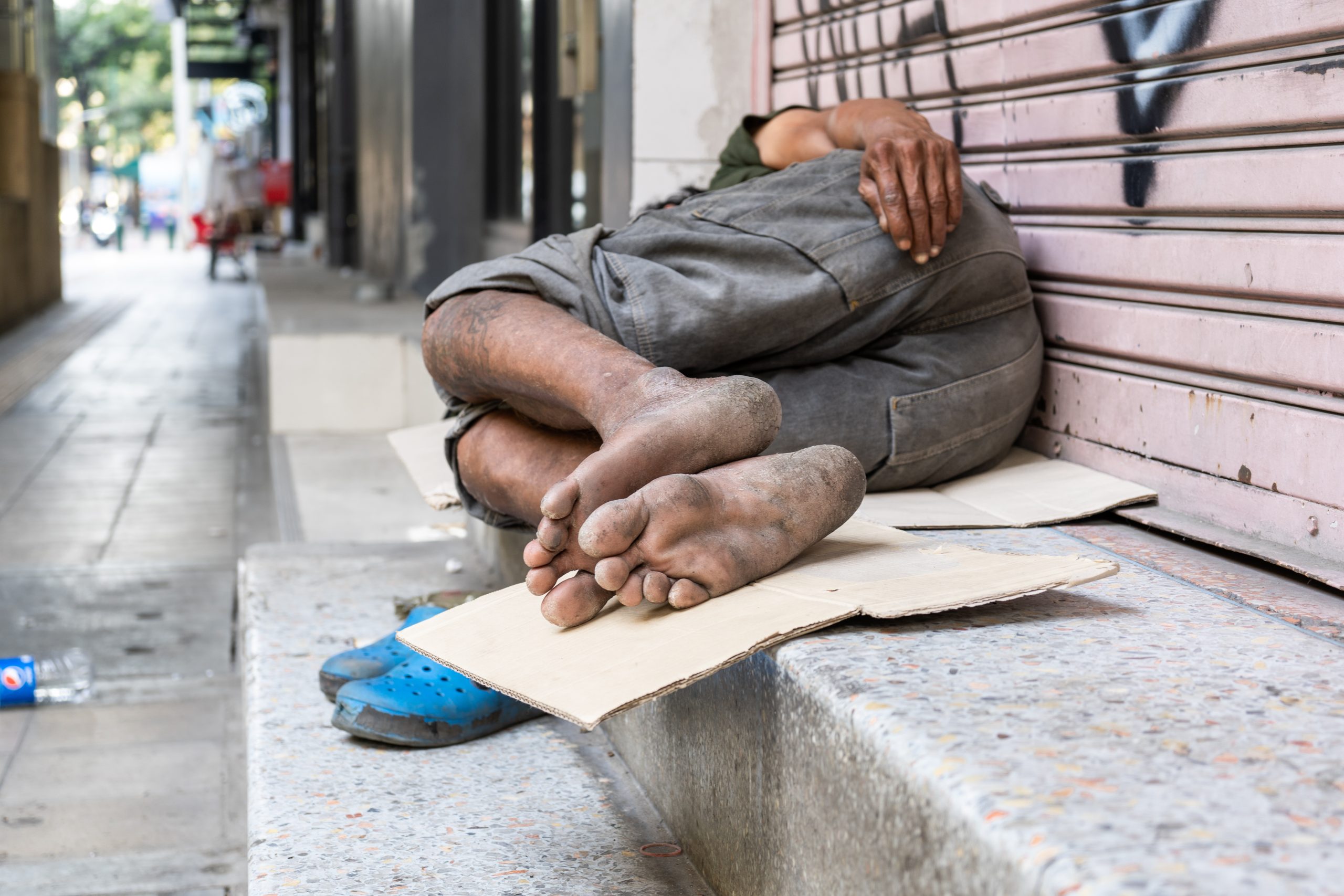
Group A Streptococcus can cause relatively common skin and throat infections, but it can also produce invasive disease, severe complications and death. People experiencing homelessness face particular vulnerabilities, including skin breakdown, exposure to harsh environmental conditions and barriers to timely healthcare.
In Missoula County, routine surveillance initially identified a cluster of infections linked to shelters. Investigators subsequently expanded the search through laboratory records, clinical data, retrospective case review and improved collection of housing-status information. The result was a materially different understanding of the burden.
Of the 69 infections identified, 39 occurred among people experiencing homelessness. Almost half of those 39 episodes were identified through methods beyond the original routine surveillance approach. Hospitalisation was common, and investigators estimated an infection incidence more than 100 times that of the county’s general population.
The finding is alarming, but its implications require care. This was a local investigation, not a national prevalence estimate. The denominator for a mobile population experiencing homelessness is inherently difficult to calculate, and the authors recognise uncertainty in both population estimates and case ascertainment. Nevertheless, the scale of the disparity is difficult to explain away as a purely statistical artefact.
It exposes a policy issue that health departments frequently struggle to address. Housing status is not simply a demographic variable. It can influence environmental exposure, hygiene, wound management, access to primary care and the likelihood that a patient completes follow-up. When that information is missing, surveillance can underestimate risk precisely among the people most affected.
The response therefore requires more than sending additional reminders to clinicians. Hospitals, shelters, outreach teams and public-health authorities need mechanisms for identifying high-risk infections and linking patients to timely care. Wound assessment, accessible treatment, infection prevention and practical follow-up become more important when patients do not have reliable access to the conditions that support recovery.
There is also a governance question. Public-health systems are increasingly expected to incorporate equity into infectious-disease planning, but equity cannot be operationalised without information about who is being missed. Collecting housing status appropriately and protecting patient confidentiality are necessary parts of that effort.
The Montana investigation did not uncover a new pathogen. It uncovered the inadequacy of an existing view of the same pathogen.
That should be politically uncomfortable. A disease does not become less important because the people affected are difficult to count.
