IPM Take
A regulator should be judged not only by the mistake, but by how it corrects it.
The FDA publicly withdrew a laboratory finding within a day and stated that there are no confirmed positive product samples. The recall remains because the investigation also rests on illness interviews and supply-chain traceback. Public confidence depends on authorities separating those evidence streams clearly and updating advice without defensiveness.
Executive Summary
The FDA said a lettuce sample previously reported positive for Cyclospora was a false positive after laboratory experts re-reviewed the result. No product sample is currently confirmed positive. The agency nevertheless continues to identify Taylor Farms de Mexico lettuce as implicated through epidemiological and traceback evidence, and the recall remains active. The five-state outbreak includes 1,644 confirmed illnesses, 94 hospitalisations and no reported deaths. The correction is now a test of regulatory transparency, diagnostic quality and public communication.
Why it matters
- Regulators and laboratories: Need auditable testing, rapid correction and language that distinguishes laboratory confirmation from epidemiological and traceback evidence.
- Food producers and retailers: Need traceable supply chains and precautionary recall systems that can operate under uncertainty without overstating what has been proven.
- Clinicians and consumers: Need current product advice and access to specific Cyclospora testing, because routine stool panels do not always include the parasite.
Three evidence streams entered the investigation. One of them failed.
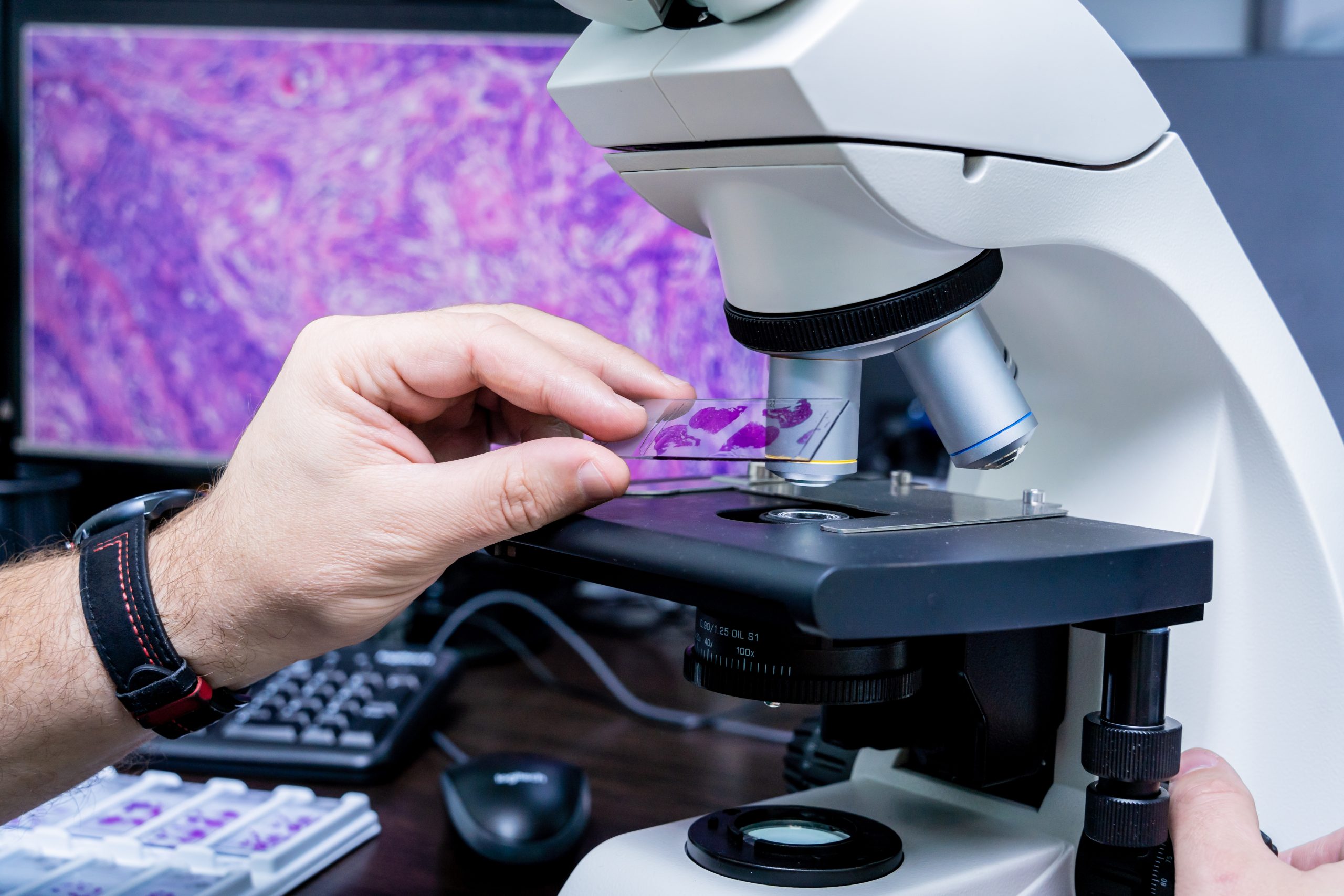
On 18 July, he FDA reported a positive Cyclospora finding in a lettuce sample. On 19 July, the agency corrected the record. Laboratory experts had re-reviewed the result and concluded that it did not represent true amplification. The sample was a false positive. As of that update, no product test had been confirmed positive.
That is a serious laboratory error in the middle of a large foodborne outbreak. It is not, however, the same as saying the entire investigation collapsed. The outbreak case data, exposure interviews and supply-chain traceback remain separate lines of evidence.
The FDA reports 1,644 confirmed illnesses across five states, 94 hospitalisations and no deaths. Among 190 Michigan patients with detailed food histories, 90% reported eating iceberg lettuce. Traceback from restaurants where ill people had eaten converged on a single supplier, Taylor Farms de Mexico. The company recalled iceberg lettuce sourced from central Mexico, and the FDA continues to advise consumers and businesses not to use the recalled products.
This is where public communication often goes wrong. Authorities can be tempted to defend the recall by talking as though the laboratory result still existed. Industry can be tempted to use the false positive as though it disproved the epidemiology. Neither position is honest. A product test was wrong. The exposure pattern and traceback have not been withdrawn. The investigation remains open.
The correct response is evidence separation. Regulators should state what each method can support, how confident they are, and what would change the recommendation. Epidemiology can identify a strong association. Traceback can reveal a common distribution point. Laboratory testing can confirm contamination in a sample. These methods reinforce one another, but they are not interchangeable.
The episode also reveals a diagnostic access problem on the patient side. CDC warns that routine stool tests do not always screen for Cyclospora. People with prolonged watery diarrhoea may need to request or be offered a specific test. When clinicians are not alerted and testing is not available, outbreak counts lag behind the food chain that produced them.
Precautionary recalls are supposed to operate before every uncertainty is resolved. That is defensible when the potential exposure is broad and the health signal is strong. What is not defensible is leaving the public to discover corrections through scattered headlines while official advice appears unchanged without explanation.
The FDA did the essential first thing: it corrected the laboratory claim publicly and quickly. It should now publish the technical basis for the reversal, explain how the initial result passed review, and keep the evidence chain visible as the traceback continues. Trust is not preserved by pretending regulators never make errors. It is preserved by showing that errors are detected, disclosed and used to improve the system.
