
IPM Take
Emergency remediation appears to have worked. Prevention must now explain why it was needed.
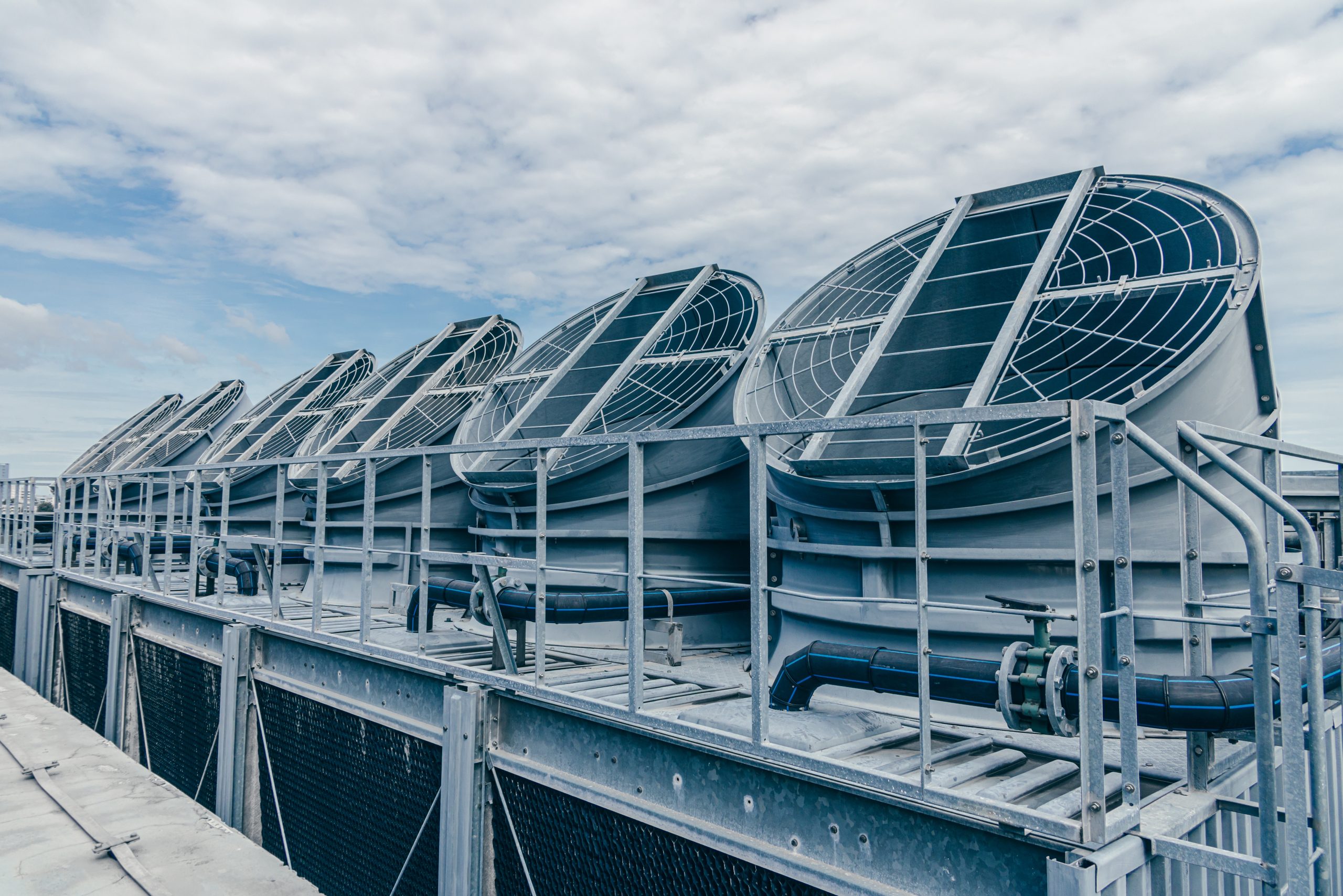
New York sampled 183 cooling-tower systems and ordered 76 buildings with initial PCR-positive results to clean and disinfect. Cases then fell sharply. That is a response success. It does not remove the accountability question created by 74 cases and three deaths.
Executive Summary
New York City had reported 74 cases and three deaths in an Upper East Side Legionnaires’ disease cluster. The Health Department says the source of exposure has likely been eliminated after aggressive testing, enforcement and remediation. All 76 buildings with initial PCR-positive cooling-tower systems completed required cleaning by 16 July. The city already requires tower registration, maintenance and testing, and introduced 31-day Legionella testing this year. The outbreak now demands a prevention audit, not only praise for emergency control.
Why it matters
- Public authorities: Need to identify whether maintenance, reporting, inspection or enforcement gaps allowed risk to persist before the cluster was detected.
- Building and cooling-tower operators: Need verifiable compliance with testing, biocide, recordkeeping and remediation requirements, not paperwork that becomes meaningful only during an outbreak.
- Clinicians and residents: Need rapid recognition and accessible care, especially for older adults, smokers and people with chronic disease or weakened immunity.
The curve went down. The accountability question did not.
New York City’s Upper East Side Legionnaires’ cluster reached 74 cases and three deaths by 19 July. Eight people remained in hospital. The Health Department says the exposure source has likely been eliminated and that the outbreak is not connected to building plumbing. Residents can continue using tap water and home air conditioning.
The city deserves credit for speed. It sampled 183 cooling-tower systems, used rapid PCR screening and ordered 76 buildings with positive initial results to carry out full cleaning and disinfection. All reported completion by 16 July. New diagnoses fell from more than eight a day during the first week of the investigation to fewer than one a day between 10 and 17 July.
It was also a meaningful policy experiment. For the first time, the city ordered immediate full remediation after a positive PCR screen rather than waiting up to two weeks for confirmatory culture results. In an outbreak, acting on an early signal can be more protective than waiting for perfect certainty.
But response speed is only half the story. New York already describes its cooling-tower rules as among the strongest in the country. Owners must register towers, maintain them, test for Legionella and submit information. Regulations that took effect in May require testing every 31 days while towers operate.
The enforcement numbers show why rules alone do not equal control. In the first half of 2026, inspectors completed nearly 1,600 cooling-tower inspections. In fiscal year 2025, the city issued 1,337 violations, including 253 public-health hazards and 810 critical violations, and collected roughly $680,000 in fines. Those figures demonstrate activity. They also demonstrate a large compliance problem.
The post-outbreak review should therefore go beyond identifying a likely source. It should examine whether affected systems had recent tests, whether results were reported on time, whether operators responded to abnormal conditions, whether inspections were risk-based and whether penalties were strong enough to change behaviour. A tower can be registered and still be poorly controlled.
Legionnaires’ disease also exposes how infrastructure risk becomes clinical inequality. People aged 50 and over, smokers, and people with chronic heart, lung, kidney or liver disease, diabetes or weakened immunity face greater risk. The people most vulnerable to severe disease may have no knowledge of the rooftop system that exposed them and no power over its maintenance.
This is why cooling-tower governance is health policy, not merely building management. The city has shown that rapid testing and remediation can stop a cluster. The next standard must be tougher: use the same data, inspection power and urgency before the first hospital admission, not after the third death.
