IPM Take
A memorandum can announce ambition. It cannot diagnose a child, keep a vaccine cold or get a sample to a laboratory.
South Sudan’s new health cooperation deal is significant because it combines external financing with a domestic commitment. But fragile health systems are not strengthened by the size of a headline figure. They are strengthened when a community health worker has supplies, when a referral vehicle can move, when a laboratory result comes back, and when services survive the next flood, displacement wave or outbreak.
Executive Summary
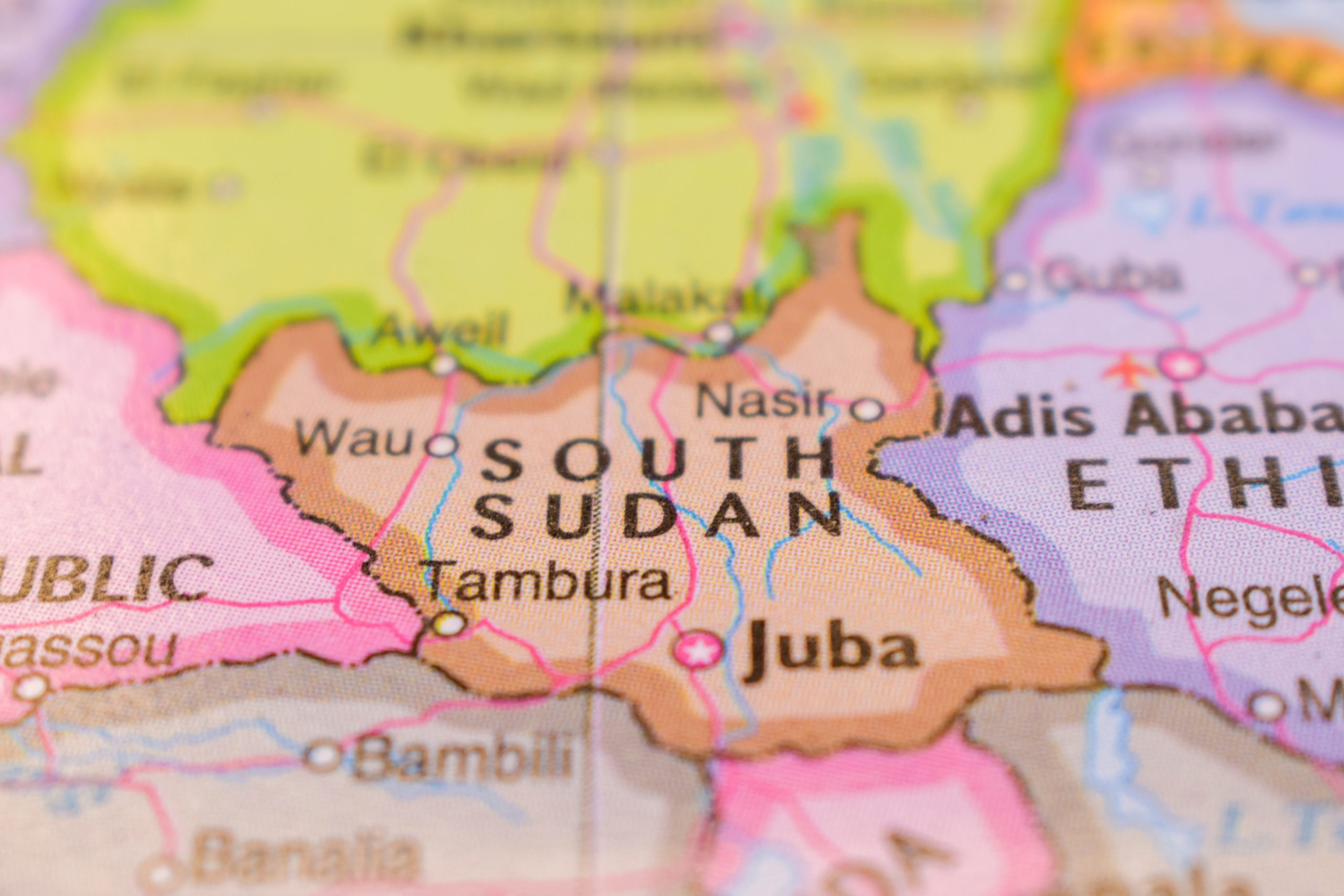
The United States announced a new health cooperation memorandum with South Sudan under the U.S. global health strategy. The United States said it intends, working with Congress, to provide more than US$146 million to prevent infectious diseases and strengthen health cooperation. South Sudan’s transitional government committed nearly US$20 million for its health system, bringing the stated value of the memorandum to more than US$166 million.
Local reporting confirmed that the agreement was signed in Juba by South Sudan’s Health Undersecretary Dr Oromo Francis and U.S. Ambassador Michael J. Adler. It includes support for the Ministry of Health and people living with HIV through PEPFAR, alongside broader public-health emergency capacity.
Why it matters
- Public authorities: Need transparent operational plans that show how funding will strengthen frontline service delivery, surveillance and outbreak response.
- Policymakers: Must ensure domestic co-investment is sustained and does not become a one-off political announcement.
- Patients and communities: Need the agreement to translate into dependable local care, not another promise that remains concentrated in the capital.
Health financing often arrives in the language of totals.
US$146 million. Nearly US$20 million. More than US$166 million.
Those numbers matter. They can fund medicines, laboratory systems, outreach teams, HIV services, vaccine delivery and emergency response. But the people who need them do not experience health policy in millions. They experience it in whether a clinic is open, whether a midwife has supplies, whether a fever can be tested and whether care is close enough to reach.
That is the test facing South Sudan’s new health agreement.
The U.S. State Department says the memorandum is intended to prevent infectious diseases and advance health cooperation under its global health strategy. South Sudan has committed nearly US$20 million from public revenue. Local reporting says the agreement will support the Ministry of Health, improve resilience against outbreaks and continue assistance for people living with HIV through PEPFAR.
This is not trivial in a country where health delivery routinely has to work through insecurity, population movement, flooding, access constraints and uneven service coverage.
WHO’s 2026 priorities for South Sudan are bluntly practical: early warning and surveillance, rapid-response capacity, pre-positioned supplies, mobile and outreach services, continuity of essential care during shocks, stronger referral pathways, reliable access to diagnostics and medicines, and workforce capacity. That is the actual infrastructure a health memorandum has to finance.
The political risk is obvious. Donor announcements can produce visibility before they produce delivery. Domestic co-investment can sound like ownership before it is converted into predictable budgets and accountable implementation. External funding can strengthen a system, but only if it follows national priorities all the way to hard-to-reach communities.
For IPM, this is a preparedness story with a human deadline. The next outbreak will not ask whether the agreement was signed. It will test whether a nurse can identify the case, whether a sample can move, whether a team can respond and whether care reaches people before the emergency becomes unmanageable.
