
IPM Take
Childhood obesity is often framed as lifestyle, parenting or education. That framing is politically convenient and medically inadequate. The evidence now points to a life-course cardiometabolic risk pathway shaped by biology, poverty, food systems, digital marketing, school environments and access to care. Personalised prevention cannot start at age 50 with a statin, a glucose-lowering drug and a late diagnosis. It has to start when risk is still reversible, and that means treating childhood obesity as a structural health-system priority, not a private family failure.
Executive Summary
A narrative review published in Cureus, synthesises evidence linking childhood obesity to adult cardiometabolic disease. The review concludes that childhood obesity is associated with long-term risk through interconnected biological, social, environmental and commercial pathways, including insulin resistance, chronic inflammation, endothelial dysfunction, hypertension, dyslipidaemia, fatty liver disease, altered appetite regulation and gut microbiome changes.
The global burden is rising. WHO estimates that more than 390 million children and adolescents aged 5-19 were overweight in 2022, including 160 million living with obesity. The Lancet Global Burden of Disease forecasting study projects that by 2050, 360 million people aged 5-24 could be living with obesity if current trajectories continue.
The review highlights three policy-relevant points. First, obesity tracks strongly from childhood into adulthood. Second, so-called “metabolically healthy obesity” in childhood is not benign and is associated with increased adult diabetes risk. Third, weight normalisation before adulthood may substantially reduce future cardiovascular risk.
The implication is blunt: health systems that delay intervention until adult disease appears are choosing a more expensive, less equitable and less preventable version of cardiometabolic care.
Why it matters
- Policymakers and public authorities: Need to treat childhood obesity as a life-course NCD prevention issue, not a narrow paediatric lifestyle problem. School food policy, marketing restrictions, urban planning, poverty reduction and primary care screening all belong in the same conversation.
- HTA bodies: Will increasingly face questions on paediatric obesity interventions, including GLP-1 receptor agonists, digital behavioural programmes, family-based interventions and screening strategies. Long-term cardiometabolic outcomes will matter, not just short-term BMI change.
- Payers: Must decide whether to fund early prevention, multidisciplinary weight management and risk assessment before adult diabetes, hypertension, kidney disease and cardiovascular disease arrive.
- Clinicians and providers: Need systematic cardiometabolic assessment for children with obesity, including blood pressure, lipids, glucose or HbA1c, liver risk and family history, with sensitivity to ethnicity-specific risk patterns.
- Industry / innovation partners: The paediatric obesity market will grow, but commercial treatment expansion cannot substitute for upstream policy. Medicines may help selected adolescents, but they cannot repair food systems designed for overconsumption.
Childhood obesity is no longer a warning sign. It is the beginning of the cardiometabolic pipeline.
A new narrative review in Cureus brings together evidence from epidemiology, longitudinal cohorts, genetic studies, social determinants, commercial drivers and prevention research. Its conclusion is hard to ignore: childhood obesity is associated with adult cardiometabolic disease through pathways that begin long before the first adult clinic visit.
This matters because the global trajectory is moving in the wrong direction. WHO estimates that more than 390 million children and adolescents aged 5-19 were overweight in 2022, including 160 million living with obesity. The Lancet’s Global Burden of Disease forecasting study projects that 360 million people aged 5-24 could be living with obesity by 2050. That is not a future risk. It is a future health-system bill already being written.
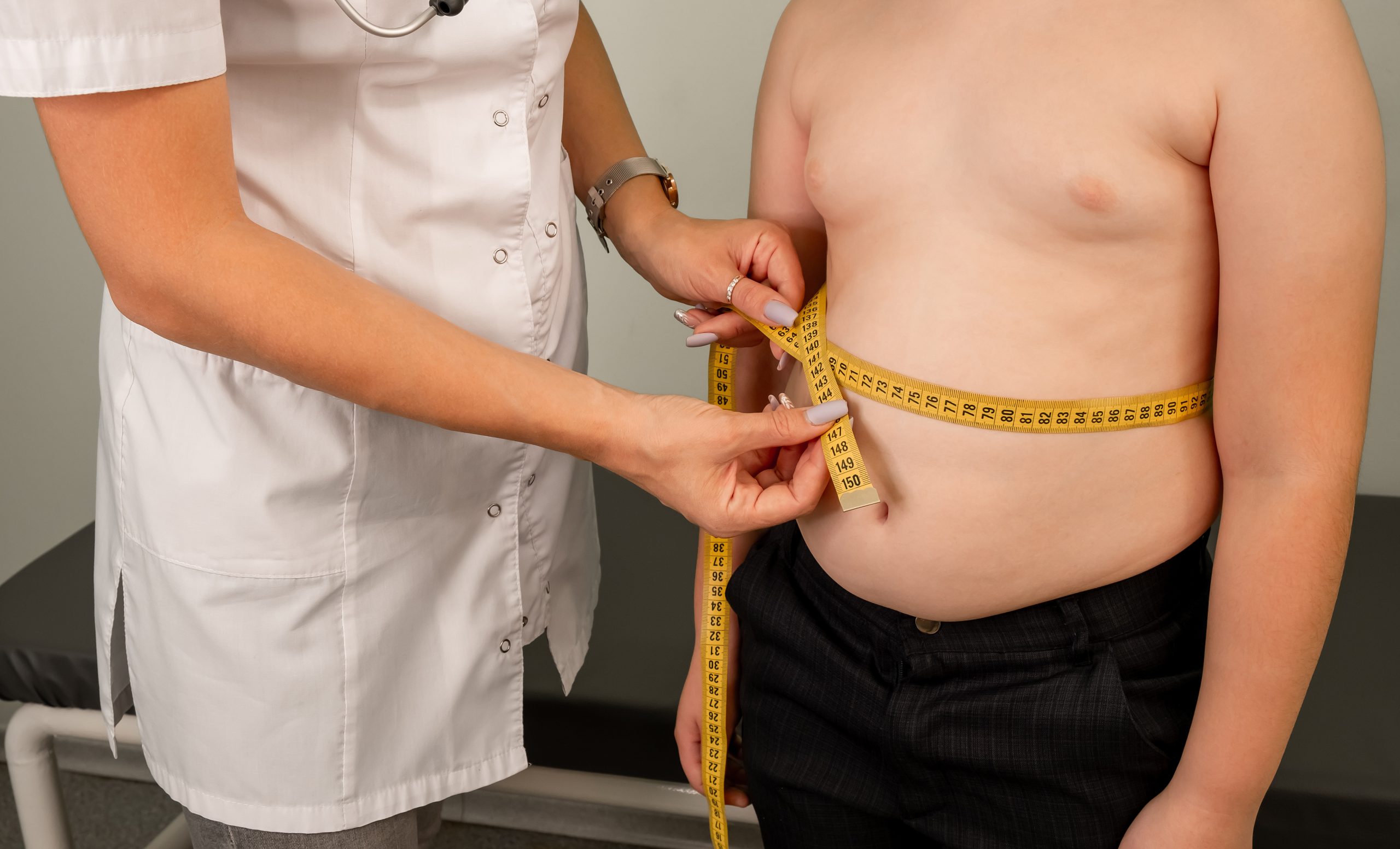
The biology is clear. Excess adiposity in childhood can drive insulin resistance, dyslipidaemia, hypertension, chronic low-grade inflammation, endothelial dysfunction and fatty liver disease. These are not cosmetic issues. They are early cardiometabolic injury. The Cureus review also highlights appetite-regulation pathways, including leptin resistance, ghrelin dysregulation and GLP-1 signalling, as well as gut microbiome disruption and inflammatory pathways.
The life-course data are equally uncomfortable. The review cites evidence showing that children with obesity are around five times more likely to live with obesity as adults. Approximately 55% of children with obesity become adolescents with obesity, and around 80% of adolescents with obesity remain obese in adulthood. Persistently elevated BMI across the life course is associated with substantially higher risks of hypertension and type 2 diabetes.
The most politically inconvenient finding is that “metabolically healthy obesity” in childhood is not safe. Children may appear metabolically normal at one point in time, but the review cites evidence showing higher adult diabetes risk compared with metabolically healthy normal-weight peers. That undercuts a common policy excuse: waiting until risk factors become obvious.
Waiting is not neutral. Waiting is an intervention. It favours disease progression.
The review also points to an opportunity. Children with obesity who normalise weight before adulthood may have cardiovascular risk profiles closer to those who were never obese. That means early intervention can work, but only if systems act early enough and sustain support long enough.
The global policy challenge is not the same everywhere. In Europe, North America and Australia, childhood obesity is often concentrated among socioeconomically disadvantaged groups, exposing deep inequalities in food access, education, housing, safe physical activity and preventive care. In South Asia, East Asia, the Middle East, North Africa and sub-Saharan Africa, many countries face a double burden: persistent undernutrition alongside rising excess adiposity. Policy cannot copy and paste high-income country models into transitional economies and expect them to work.
This is where the politics becomes uncomfortable. Childhood obesity is not produced only by individual behaviour. It is produced by cheap ultra-processed foods, aggressive marketing to children, algorithm-driven digital advertising, unsafe neighbourhoods, school food environments, poverty and weak regulation. A child does not choose the food system. A child lives inside it.
That is why the solution cannot be limited to counselling families. Counselling matters, but it is not enough. Serious policy must include restrictions on marketing unhealthy foods to children, sugar-sweetened beverage taxes, front-of-pack labelling, healthier school meals, physical activity infrastructure, family-based support, primary care screening and protection from commercial interference.
Medicines will complicate the debate. GLP-1 receptor agonists have shown clinically meaningful BMI reductions in adolescents with severe obesity, and they may become part of treatment for selected patients. But the review is clear that long-term cardiovascular outcome data in paediatric populations are still absent. HTA bodies and payers will need to decide how to assess value when the endpoint that matters most may be decades away.
That creates a new access problem. Wealthier families and health systems may move toward pharmacological treatment, while lower-income communities are left with obesogenic environments and underfunded prevention. If policy is not careful, paediatric obesity treatment could become another inequality engine.
A personalised medicine approach should not mean giving every child a drug. It should mean identifying which children need which intervention, at which level of risk, in which social context. Severe early-onset obesity may require assessment for monogenic causes. Children from South Asian and East Asian backgrounds may face cardiometabolic risk at lower BMI thresholds. Waist-to-height ratio may complement BMI. Screening should look beyond weight alone to blood pressure, lipids, glycaemia, liver health, family history and social risk.
The biggest mistake would be to turn childhood obesity into another silo. It belongs in cardiovascular prevention, diabetes prevention, kidney disease prevention, liver health, mental health, school policy, digital regulation and food policy. It is not one clinic’s problem. It is a whole-system failure.
For health systems, the choice is simple. Pay earlier for prevention, risk assessment and structural change, or pay later for diabetes, heart failure, kidney disease, liver disease and cardiovascular events.
The cardiometabolic crisis is already visible in childhood. The question is whether policy will act while prevention is still possible.
