
IPM Take
One confirmed case can be contained. Silence cannot.
Guinea-Bissau has confirmed one mpox case. The country has activated surveillance, contact tracing, infection prevention and community awareness measures. Those are the formal parts of the response. The more fragile part is social: whether people with symptoms feel able to seek care before fear, misinformation or stigma push the outbreak underground.
Executive Summary
Guinea-Bissau’s Ministry of Public Health confirmed one mpox case. The country’s National Institute of Public Health carried out laboratory confirmation, which was externally verified by the Institut Pasteur de Dakar. Genotyping is ongoing. Authorities activated national response mechanisms, including epidemiological investigation, contact tracing, strengthened surveillance, infection prevention and control, and public communication.
Why it matters
- Public authorities: Need fast coordination without public messaging that fuels fear or blame.
- Clinicians: Need confidential, respectful pathways for testing, referral and follow-up.
- Communities: Need reliable information that encourages early care-seeking and protects people from discrimination.
The laboratory result is only the first test.
Guinea-Bissau’s confirmation matters because it was not based on rumour or assumption. The result was generated nationally and checked externally by the Institut Pasteur de Dakar, while genotyping continues. That is how outbreak response should begin: with credible evidence, not speculation.
But the next phase cannot be managed by laboratories alone.
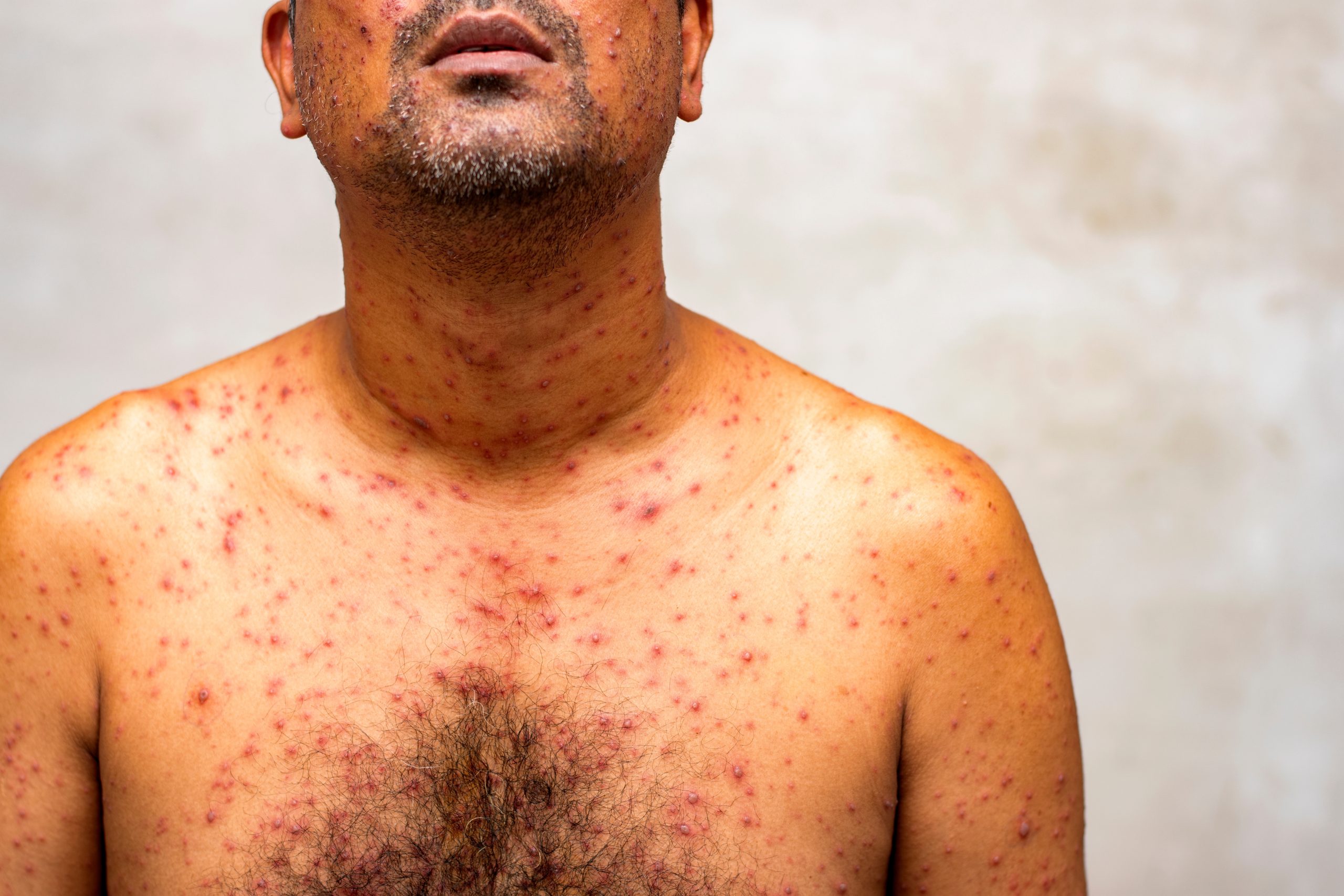
Mpox can be transmitted through close contact, including contact with lesions, contaminated materials or infected animals. It can also carry a social burden that makes people hesitant to disclose symptoms, attend a clinic or cooperate with contact tracers. WHO explicitly warned that stigma and discrimination can discourage people from seeking care and undermine the response itself.
That warning should be taken seriously. In a small or tightly connected community, a person may not simply decide whether to seek medical advice. They may be deciding whether they can do so without being exposed, judged or blamed.
The country’s response includes contact tracing, strengthened surveillance, infection prevention in health facilities and community awareness. Those measures only work when people trust the system asking for their information. Confidentiality is not an ethical extra. It is part of disease control.
This is where political leadership matters. Health authorities need to communicate urgency without creating panic. Communities need information that is clear enough to act on and respectful enough to be believed. Clinicians need the time, supplies and protection to manage suspected cases without turning care into a public spectacle.
For IPM, this is the real implementation question. The first case has been found. The response now has to make it easier, not harder, for the next person to come forward.
