
IPM Take
The first response should not be panic. It should be competence.
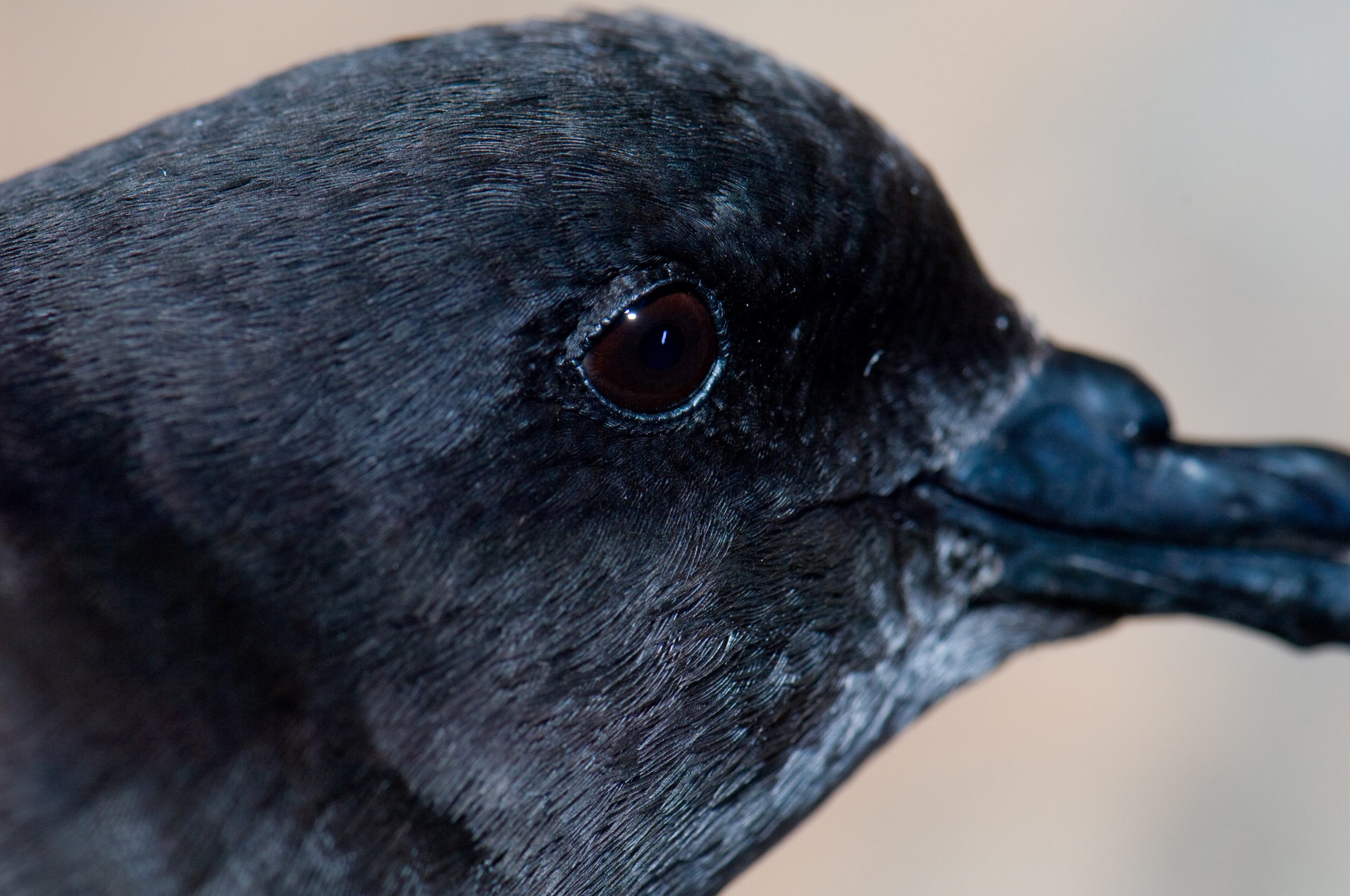
Australia has confirmed H5 bird flu in New South Wales, detected in a migratory giant petrel near Hawks Nest. There is still no evidence of infection in poultry or the wider agricultural sector. But the country is no longer preparing for a distant possibility. It is responding to a virus already moving through its wildlife surveillance system.
Executive Summary
Australian authorities confirmed H5 high-pathogenicity avian influenza in a giant petrel found near Hawks Nest in New South Wales. By 6 July, the federal government reported six confirmed H5 detections in wild birds: four in Western Australia, one in South Australia and one in New South Wales. Officials said there was no evidence of infection in poultry, no evidence of mass mortality and that the current risk to human health remained low.
Why it matters
- Public authorities: Need surveillance that treats wildlife detections as a live warning, not a communications problem.
- Agriculture and food systems: Need early reporting, farm biosecurity and rapid testing before infection reaches poultry production.
- Communities: Need clear public guidance that avoids both complacency and fear, especially around sick or dead birds.
A giant petrel found near Hawks Nest has changed the geography of Australia’s H5 response.
The case does not mean Australia has a poultry outbreak. It does not mean a public-health emergency is unfolding. Federal authorities remain clear that the risk to people is low, and there is no evidence of infection in poultry or the broader agricultural sector.
But it does mean the country’s biosecurity architecture is being tested in the field.
The importance of this detection is not that one migratory bird was positive. It is what followed: sample collection, laboratory confirmation, national coordination and public reporting. This is what preparedness is supposed to look like when it works. A single wildlife signal is treated seriously enough to trigger a response before it becomes an agricultural crisis.
That is the political challenge now. Governments regularly describe biosecurity as a national-security priority. The claim becomes credible only when reporting systems reach coastal communities, wildlife carers, farmers, veterinarians and local authorities quickly enough to detect change before farms are affected.
Australia has asked the public not to touch sick or dead birds and to report sightings through the national emergency animal-disease hotline. That may sound basic. It is not. Early reporting is part of the surveillance system. It turns one beach, one bird and one observation into information that can protect wildlife, farms and people.
For IPM, this is One Health in its most practical form. Laboratory capacity matters. So do public trust, rapid reporting, wildlife intelligence and the ability to move from a signal to action without waiting for the crisis to become visible in poultry sheds or supermarket prices.
