
IPM Take
This is the cancer story dashboards do not capture. People living with metastatic cancer are not only managing scans, treatment lines and side effects. They are also watching friends die from the same disease, again and again, inside the communities that help them survive emotionally. That grief is not incidental. It is part of the metastatic cancer experience. A system that counts progression but not repeated loss is still missing the patient.
Executive Summary
CURE published a patient essay by Martha Carlson on cumulative grief in metastatic breast cancer communities. The article describes the experience of losing two friends with metastatic breast cancer within about a week, after years of repeated peer loss. Its key takeaways frame recurrent loss as cumulative grief shaped by shared diagnosis, patient communities, premature mortality expectations, remembrance and advocacy. The piece also discusses self-care, support groups, social media, and the role of naming and remembering people who have died.
Why it matters
- Patients: Peer loss can become part of living with metastatic disease, not only a separate bereavement event.
- Caregivers: Grief affects families and support networks while care is still ongoing.
- Clinicians: Psychosocial care should recognise cumulative loss, not only anxiety or depression as isolated symptoms.
- Advocacy groups: Community spaces can reduce isolation, but they also expose patients to repeated death and progression.
There is a version of metastatic cancer that appears in medical records: diagnosis, treatment, progression, response, toxicity, next line.
Then there is the version patients live.
In that version, people meet others with the same disease. They exchange advice. They compare scans. They attend conferences. They text each other through fear. They build communities because the official system is too clinical to hold everything the disease creates.
And then those friends die.
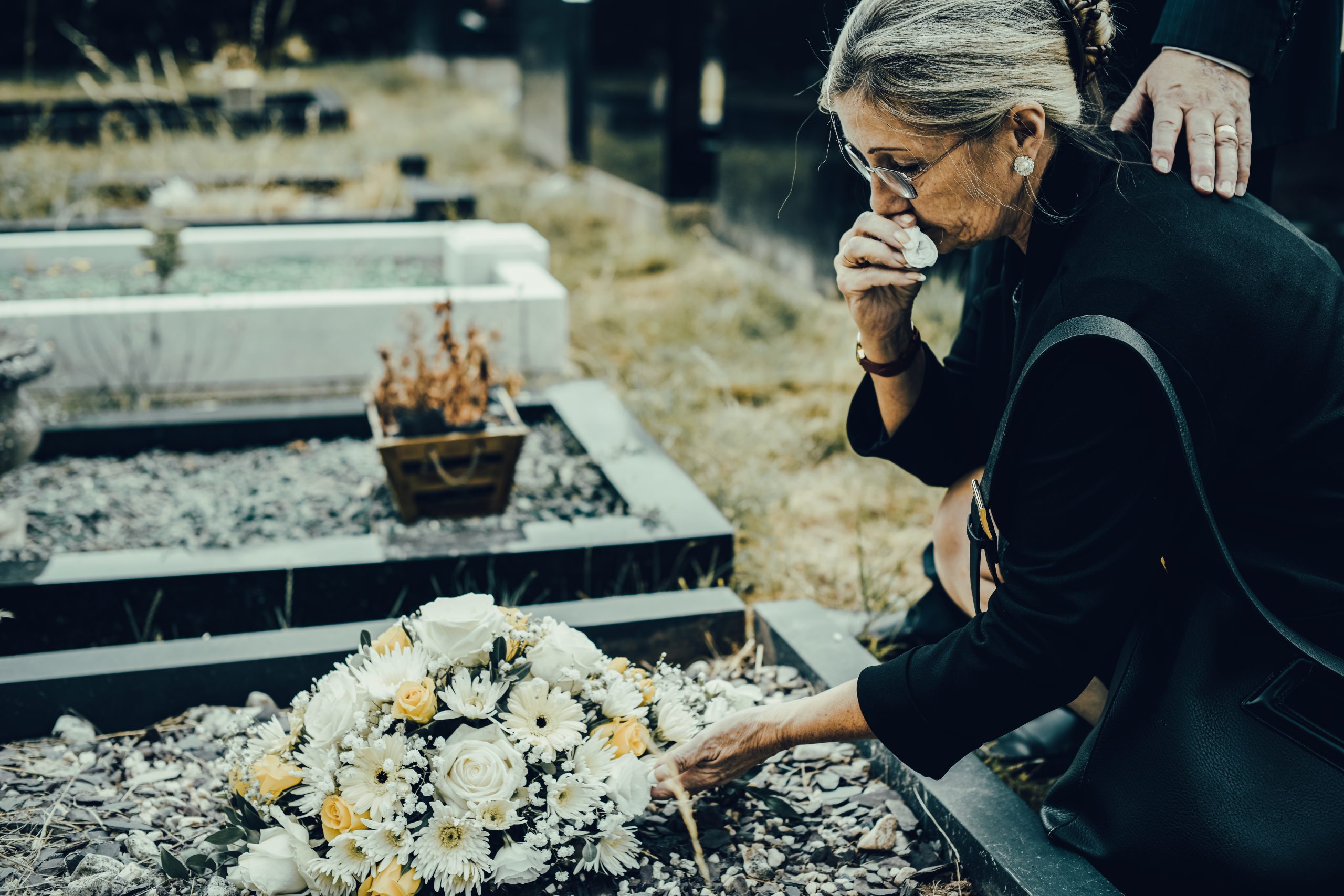
The CURE essay by Martha Carlson is powerful because it names this without turning it into sentimentality. She writes about losing two friends with metastatic breast cancer in about a week, after years of repeated losses. The article frames this as cumulative grief, not one isolated bereavement. That distinction matters.
Cancer systems are getting better at extending life for some patients with metastatic disease. That is progress. But longer living with metastatic cancer also creates new emotional realities. Patients may live long enough to become part of a community and then watch that community repeatedly shrink. They may need support not only for fear of their own death, but for the repeated deaths of people who made living with the disease bearable.
This is not a soft issue. It affects mental health, advocacy, trust, burnout, social connection and the capacity to stay engaged with care. It also matters politically because psychosocial care is still too often treated as optional, underfunded or separate from “real” oncology.
For IPM, this is the human last mile. Precision medicine asks whether the right patient gets the right treatment. But the right patient is also a person living inside a web of grief, community and memory. Cancer care that ignores that is precise only on paper.
