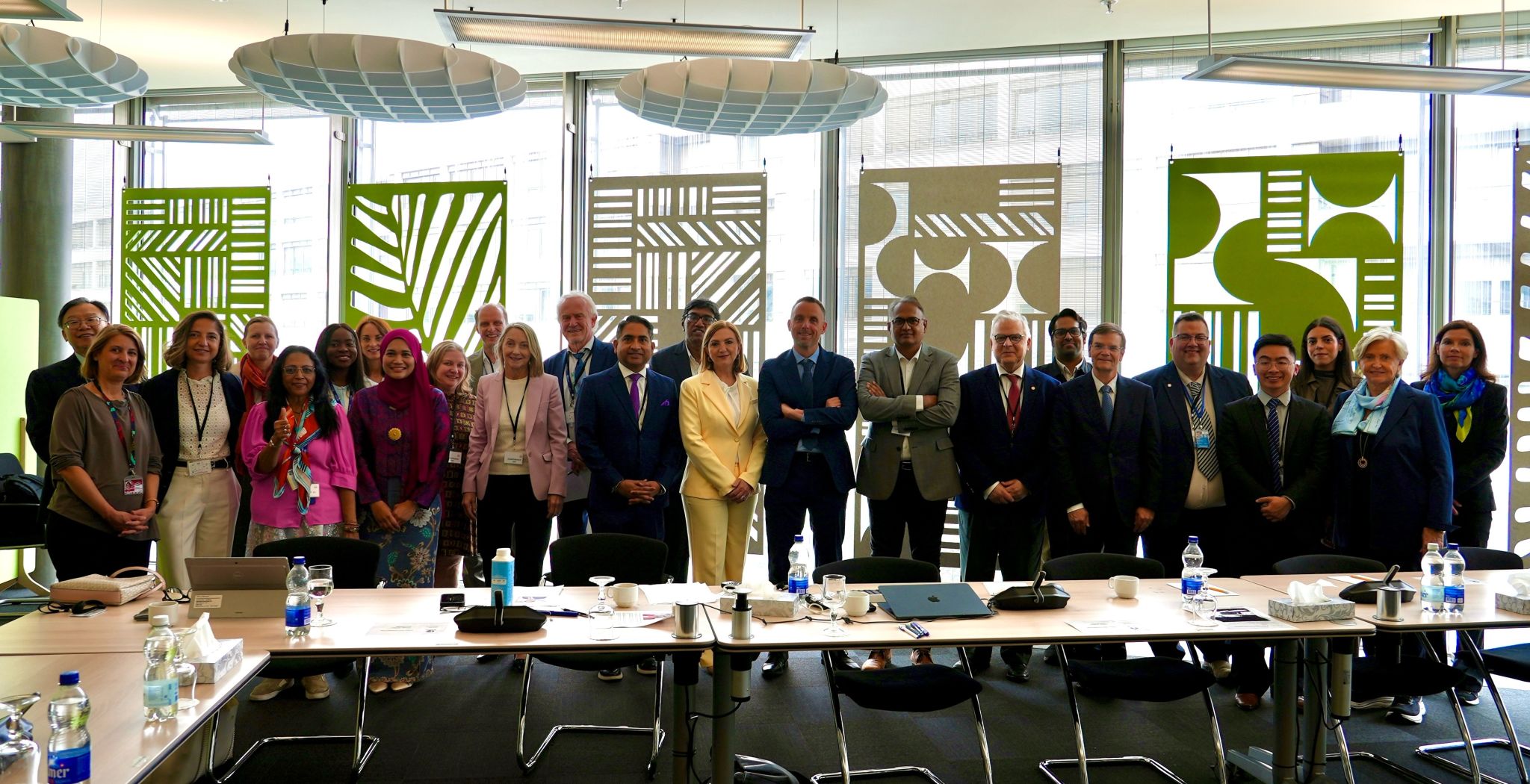
Geneva, Switzerland | May 19, 2026
The science is no longer the problem.
Genomics is advancing. Artificial intelligence is entering healthcare. Biomarker-guided diagnosis is becoming standard across multiple diseases. Precision therapies continue to emerge at unprecedented speed.
Yet for millions of patients worldwide, personalised medicine remains something that happens somewhere else.
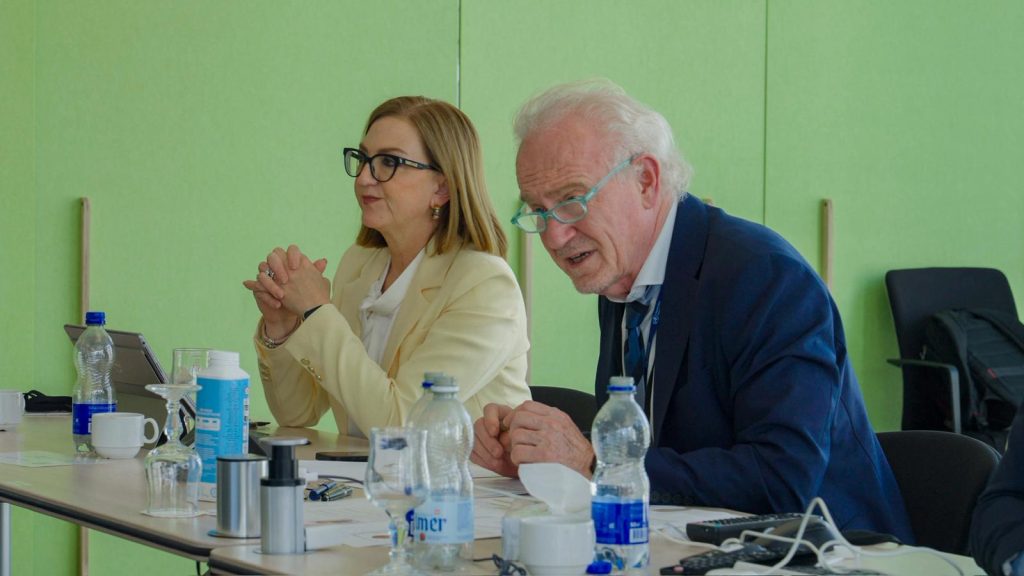
That was the central message behind the official launch of the International Alliance for Personalised Medicine (IPM Alliance), held in Geneva alongside the World Health Assembly and attended by global leaders in health policy, clinical care, research, patient advocacy, diagnostics, and implementation.
IPM Take
The next decade of personalised medicine will not be defined by scientific breakthroughs alone. It will be defined by whether health systems can actually deliver them. The challenge facing healthcare today is no longer innovation. It is implementation.
Countries across the world are grappling with the same questions: Who gets tested? Who gets access? Who pays? How do we build workforce capacity? How do we ensure AI, diagnostics, and personalised treatments reach patients beyond a handful of specialist centres?
That is the gap IPM Alliance was created to address.
Why a new alliance?
The launch marked the beginning of a new global initiative focused on what many speakers described as healthcare’s “last mile” challenge: translating innovation into routine care.
The Alliance brings together expertise across oncology, cardiology, neurology, eye diseases, rare diseases, and cardiometabolic health to connect science, policy, implementation, and real-world delivery.
As discussions throughout the afternoon made clear, health systems are facing remarkably similar barriers regardless of geography:
- Fragmented policy frameworks
- Unequal access to diagnostics and targeted therapies
- Reimbursement and regulatory bottlenecks
- Workforce shortages
- Data and infrastructure gaps
- Limited implementation capacity
The conclusion was straightforward: personalised medicine has become a health-system issue, not just a scientific one.
A global conversation
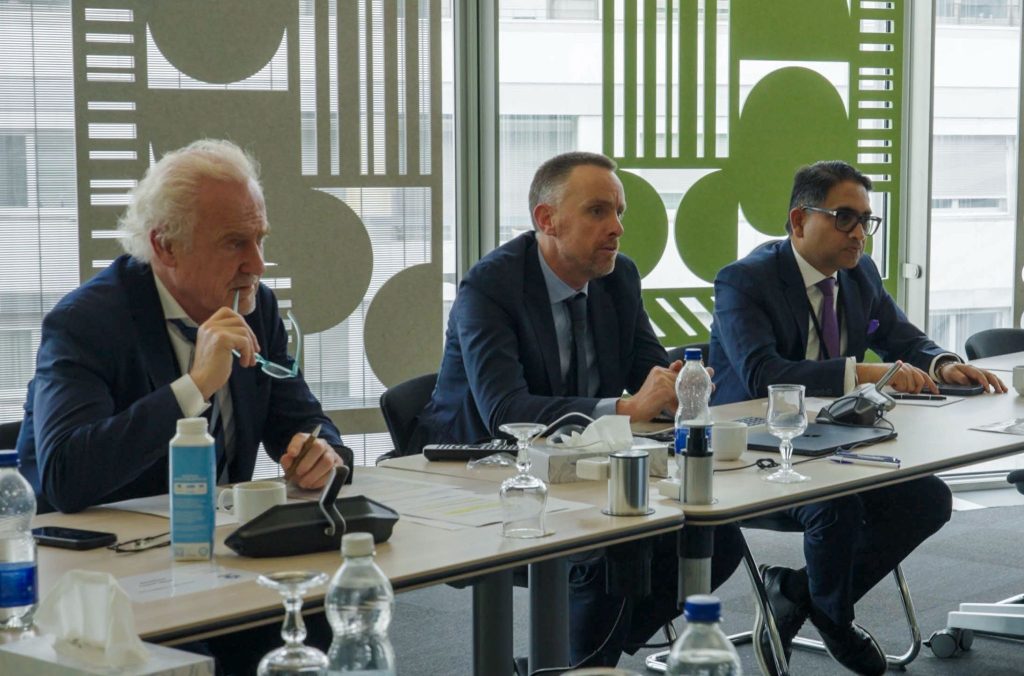
Moderated by Josep Figueras, Director Emeritus of the European Observatory on Health Systems and Policies, the event brought together an exceptional mix of voices from global institutions, academia, clinical practice, industry, and patient organisations.
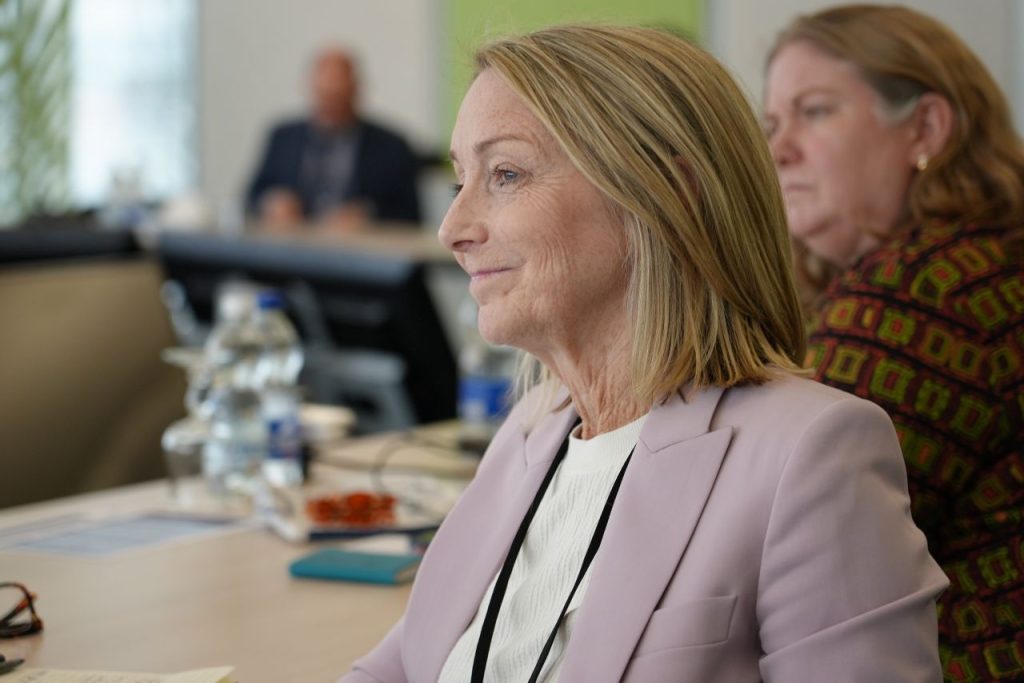
Contributors included Natasha Azzopardi Muscat, Manmeet Ahluwalia, Jennifer Dent, Fausto Pinto, Zisis Kozlakidis, Padmini Murthy, Nicola Lister, John Prior, Kjeld Steenbjerg Hansen, Saida Abu Bakar, and Toyin Saraki, alongside ministers, ambassadors, researchers, patient leaders, and implementation experts from around the world.
Together, they explored a challenge that cuts across diseases, countries, and health systems: how to move personalised medicine from scientific possibility to routine clinical reality.
The message from Geneva: equity cannot be an afterthought
“Innovation means little without access.”
Jennifer Dent, President and CEO, BIO Ventures for Global Health
If there was a second message that defined the launch in Geneva, it was this.
Across discussions on genomics, diagnostics, AI, and targeted therapies, speakers repeatedly warned that scientific progress alone does not improve outcomes. Patients do not benefit from innovation they cannot access.
Jennifer Dent highlighted the importance of building local capacity, sustainable implementation models, and international partnerships that allow healthcare innovation to reach patients beyond major academic centres and high-income settings.
That perspective was reinforced by Toyin Saraki, who called for greater leadership, equity, and global responsibility in shaping the future of healthcare, and by patient advocates Kjeld Steenbjerg Hansen and Saida Abu Bakar, who reminded participants that personalised medicine ultimately succeeds or fails at the point of care.
The conclusion was difficult to ignore:
Equity is not the outcome of personalised medicine. It is the condition that makes personalised medicine possible.
From precision oncology to global health systems
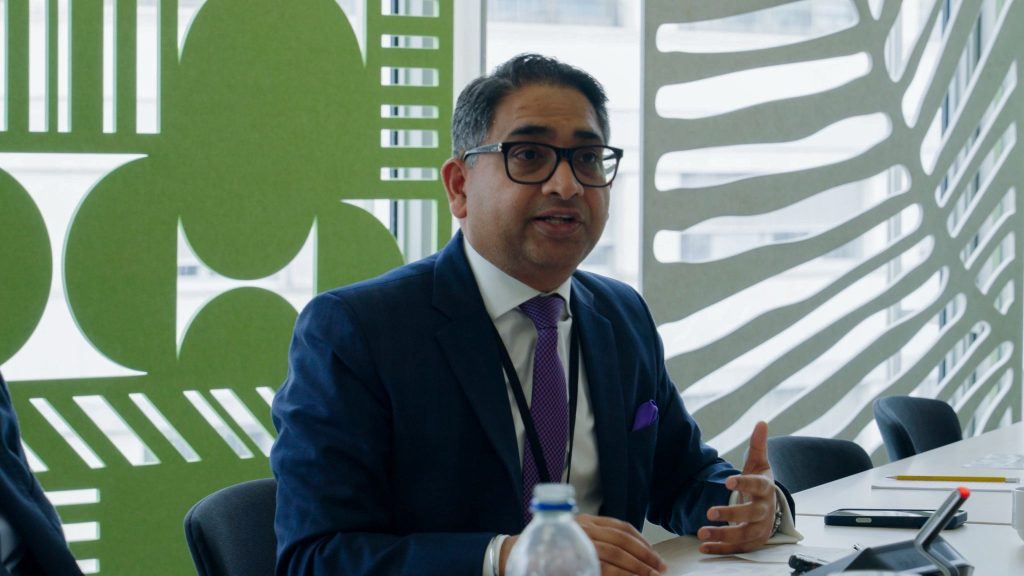
“Personalised medicine cannot remain concentrated in specialist institutions or leading research centres. It must be embedded into routine clinical pathways so patients can receive the right diagnosis, treatment, and care at the right time.”
Manmeet Ahluwalia, Deputy Director and Chief Scientific Officer, Miami Cancer Institute
If one statement captured the implementation challenge facing healthcare systems today, it was this.
Despite extraordinary advances in genomics, biomarkers, AI, and targeted therapies, access remains uneven. Too often, innovation reaches a handful of leading centres while patients elsewhere face delays, missed diagnoses, or no access at all.
Ahluwalia’s intervention captured the central theme of the launch: the future of personalised medicine depends not only on scientific discovery, but on whether health systems can integrate these advances into routine care.
That message resonated throughout the discussion.
Whether the focus was cancer, cardiovascular disease, neurology, rare diseases, or emerging AI-enabled diagnostics, speakers repeatedly returned to the same question:
How do we scale innovation beyond centres of excellence and into everyday healthcare?
The political challenge
Perhaps the most important conclusion from Geneva was that the barriers ahead are increasingly political rather than scientific.
The technologies exist. The evidence base continues to grow.
What remains uncertain is whether countries can develop the governance structures, reimbursement frameworks, workforce strategies, and implementation pathways required to make personalised medicine part of routine care.
As several speakers noted, innovation without political commitment risks becoming innovation without impact.
That is why IPM Alliance was launched not simply as a scientific platform, but as a global mechanism for connecting science, policy, and implementation.
Because without political will, even the most transformative innovations risk remaining inaccessible to the patients who need them most.
What comes next?
The launch established IPM Alliance as a new international platform dedicated to helping countries move from fragmented innovation to coordinated delivery.
Its mission is to support governments, institutions, clinicians, patient organisations, researchers, and industry partners in building the readiness needed for personalised medicine to succeed at scale.
Geneva was the starting point.
The conversation now moves to Chicago, where IPM Alliance will continue advancing this implementation agenda through the launch of its Oncology Pillar during ASCO 2026.
Because the future of personalised medicine will not be determined by what is discovered in the laboratory.
It will be determined by what reaches patients.