
IPM Take
An outbreak growing faster than the response is not bad luck. It is an operational warning.
The Democratic Republic of the Congo reported 2,073 confirmed cases and 796 deaths by 15 July. The most damaging number may be less visible: 92.3% of investigated deaths occurred in the community or before admission. A response cannot contain Ebola while diagnosis, referral and treatment remain too distant from the people who need them.
Executive Summary
ECDC reported that the Bundibugyo Ebola outbreak had reached 2,073 confirmed cases in the Democratic Republic of the Congo by 15 July, including 796 deaths and 737 patients hospitalised in isolation. Forty-five health zones across five provinces were affected. Médecins Sans Frontières said cases had tripled in less than five weeks and called for an urgent international scale-up across surveillance, testing, care, community engagement and essential health services.
Why it matters
- Public authorities: Need to move surveillance, testing and isolation closer to affected communities instead of relying on referral after severe illness.
- Hospitals / providers: Need sufficient beds, protected staff and continuity of malaria, cholera, maternal and other essential care while Ebola demand rises.
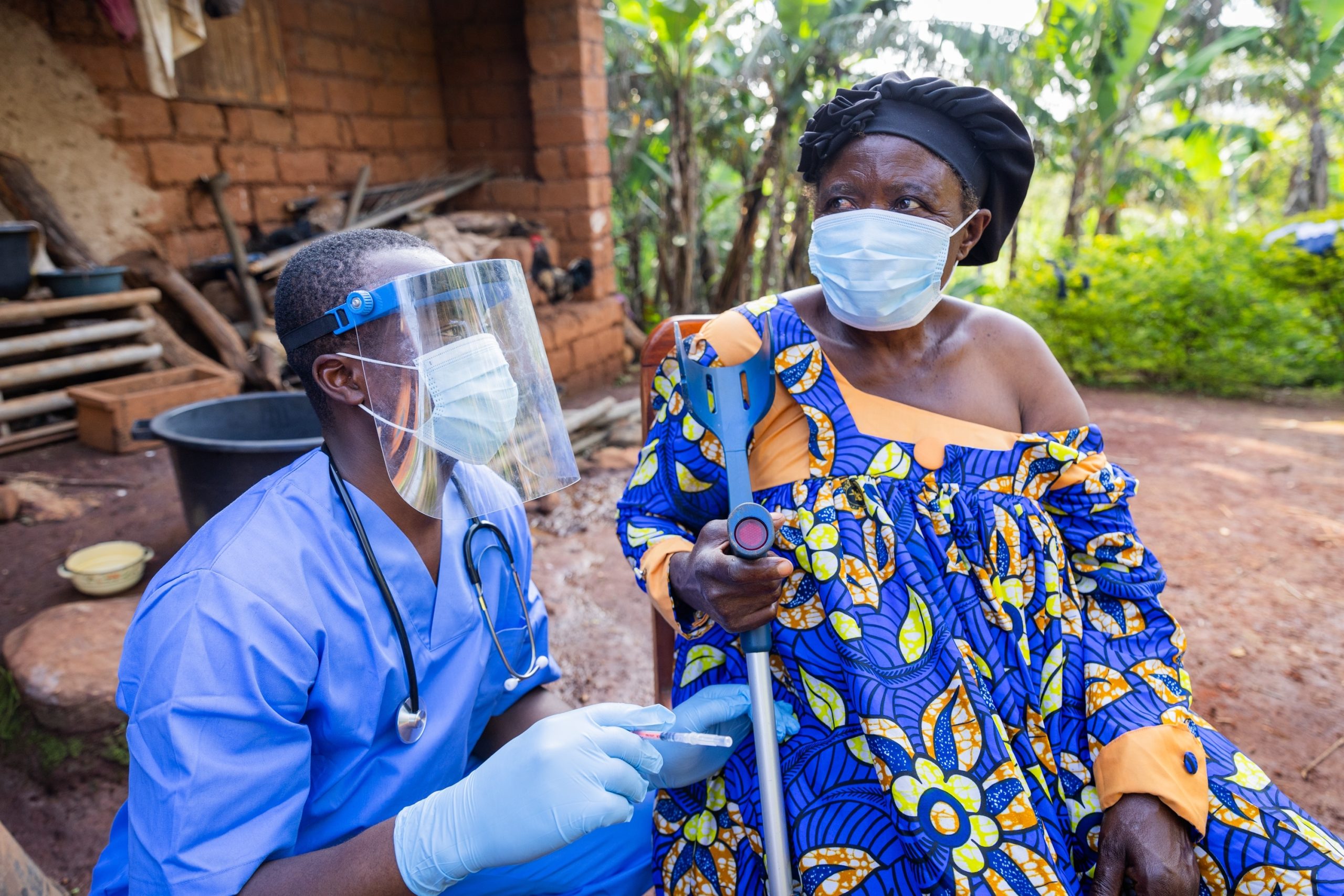
- Civil society: Need trusted community networks that can identify symptoms early, support dignified care and reduce the fear that keeps patients at home.
The outbreak has crossed a line that should end any argument about whether the existing response is enough.
By 15 July, the Democratic Republic of the Congo had reported 2,073 confirmed Bundibugyo Ebola cases and 796 deaths. Ituri remained the epicentre, but transmission had reached five provinces and 45 health zones. The case count rose by 62 in a single reporting update. This is not a contained provincial emergency waiting to be finished. It is an emergency still expanding while the response tries to catch it.
MSF described the outbreak as the fastest-growing Ebola epidemic on record and the third largest. In less than five weeks, confirmed cases rose from about 650 to nearly 2,000. Treatment centres in affected areas have been under sustained pressure, and patients have reportedly waited at home when beds were unavailable. By the time some reached care, the clinical window had already narrowed.
The most important evidence is not only how many people became infected. According to the situation data cited by ECDC, 92.3% of 430 investigated deaths occurred in the community or before admission to a health facility. That is a direct measure of delayed detection, delayed referral and limited access. It is also a measure of preventable transmission, because every patient left outside an effective pathway creates more opportunities for the virus to move through households and communities.
The policy response must therefore be judged by distance and time. How long does it take a suspected patient to reach testing? How far is the nearest isolation unit? Can a family report illness without losing access to food, income or ordinary health services? Can health workers safely manage both Ebola and the malaria, cholera and maternal emergencies that do not pause during an outbreak?
There is a useful contrast across the border. Uganda discharged its last Ebola patient on 16 July and began the 42-day countdown towards declaring the outbreak over. Geography is not destiny. Stronger detection, referral and containment can change the trajectory. But that success also makes the continuing scale of transmission in the DRC harder to dismiss as inevitable.
International support cannot be reduced to supplies arriving in capital cities. The response needs deployable staff, functioning laboratories, transport, beds, survivor support, safe burials and community engagement in the places where transmission is happening. It also needs rules that do not obstruct the movement of specialist personnel during the very period when their work is most urgent.
For IPM, the implementation test is stark. Ebola control depends on a chain: trust, reporting, diagnosis, referral, isolation, treatment and follow-up. The outbreak is showing where that chain is breaking. Passing 2,000 cases should trigger more than alarm. It should trigger a response built to move faster than the virus.
