
J.P. Morgan Week 2027 Policy-Investor Forum: From Capital to Care
A J.P. Morgan Week side event focused on how personalised medicine can move from scientific promise and investment potential to routine patient benefit. The forum will examine the policy, investment, regulatory, reimbursement, data, AI and health-system conditions needed to make personalised medicine investable, scalable, reimbursable and accessible.
Event details
Event type
Business & Innovation Meeting, Hackathon
Format
Full-day policy-investor forum on the sidelines of the J.P. Morgan Healthcare Conference, structured around five thematic sessions and a closing Policy-Investor Compact for Personalised Medicine.
Audience
Healthcare investors, life sciences leaders, policymakers, regulators, payers, health-system executives, clinicians, diagnostics and data leaders, AI and digital-health innovators, patient representatives, industry partners and implementation experts.

Why this event matters
Personalised medicine is entering a decisive phase. Scientific discovery, genomic technologies, artificial intelligence, real-world evidence, cloud-based data infrastructure and advanced diagnostics are advancing rapidly. But the pathways that determine whether innovation becomes investable, scalable, reimbursable and accessible to patients remain fragmented.
J.P. Morgan Week is a major moment for healthcare investment and strategic positioning. This event uses that setting to ask a harder question: not only what innovation can attract capital, but what innovation can actually reach patients. Investors need clarity on evidence standards, market access, data governance, AI evaluation, diagnostic readiness and adoption pathways. Policymakers need to understand how investment incentives can support public value, patient benefit, sustainability and equity.
Strategic frame
The event is built around the bridge between policy, capital and patient access.
Personalised medicine cannot scale through science alone. It requires capital, regulatory confidence, reimbursement pathways, diagnostic readiness, data infrastructure, clinical adoption and public trust. The forum will examine how investors, policymakers, regulators, health-system leaders, innovators and patient representatives can build a shared agenda for responsible, scalable and equitable innovation.
Across the day, the sessions move from data infrastructure and clinical AI evaluation to precision oncology treatment paradigms, tumour-agnostic therapies and responsible AI leadership. The closing session will translate these discussions into a Policy-Investor Compact for Personalised Medicine.
Core question
How can policy and capital work together so that personalised medicine moves from scientific promise to routine patient benefit?
Agenda snapshot
07:30-08:30 | Registration and Networking Breakfast
Arrival and informal exchange
Participants arrive for registration, breakfast and networking before the formal opening of the policy-investor forum.
08:30-08:45 | Welcome
Opening the From Capital to Care forum
IPM Alliance will welcome participants and frame the day around the need to bridge policy, investment and patient access in personalised medicine.
08:45-09:00 | Bridging the Divide Between Policy and Investors
Opening keynote address
The keynote will set the frame for the day by asking how policymakers and investors can build a shared agenda for responsible, scalable and equitable personalised medicine innovation.
09:00-10:15 | Clouds Across the New Dawn for Data Curation
From fragmented health data to investable infrastructure
This session will examine how clinical and biological data can become trusted, curated and investable infrastructure for personalised medicine. Discussion will focus on data access, governance, real-world evidence, trial recruitment, decision support, interoperability, sustainability, privacy, consent and viable business models.
10:15-10:30 | Coffee Break
Networking and informal exchange
A short break for participants to continue discussion across policy, investment, data, AI, health-system and patient-access communities.
10:30-11:45 | Clinical AI in the Age of Frontier Models
Evidence, evaluation and investor due diligence
This session will examine what should count as credible evidence for clinical AI. Discussion will focus on independent evaluation, real-world performance, clinical safety, workflow integration, hallucination risk, accountability, procurement, post-deployment monitoring and investor due diligence.
11:45-12:00 | Coffee Break
Networking and informal exchange
A short transition break before the precision medicine treatment paradigm session.
12:00-13:15 | Treatment Paradigms in the Precision Medicine Era
Earlier profiling, matched therapies and new evidence models
This session will examine how cancer treatment models must evolve in the precision medicine era. Topics include earlier molecular profiling, matched therapies, adaptive and platform trials, real-world evidence, synthetic control arms, molecular tumour boards, living guidelines, regulatory frameworks, HTA and reimbursement alignment.
13:15-13:30 | Networking Lunch Break
Informal exchange
A short networking lunch break before the afternoon sessions.
13:30-14:45 | Tumour-Agnostic Therapies and Global Access
Aligning trials, regulation, HTA, reimbursement and market adoption
This session will examine tumour-agnostic therapies as a test case for whether precision medicine can be globally implemented. Discussion will focus on biomarker testing, innovative trials, regulatory convergence, reimbursement, workforce readiness, market adoption, global access and investment in diagnostic infrastructure.
14:45-15:00 | Coffee Break
Networking and informal exchange
A short break before the final thematic session on responsible AI leadership and health-system implementation.
15:00-16:15 | Artificial Intelligence and Healthcare
A strategic approach for leaders, investors and health systems
This session will focus on how health systems, policymakers and investors can scale AI responsibly. Discussion will cover governance, privacy, safety, regulatory compliance, fairness, procurement, clinician engagement, workflow integration, local validation, monitoring, accountability and sustainable implementation.
16:15-16:35 | From Policy to Capital to Patient Benefit
A Policy-Investor Compact for Personalised Medicine
The closing session will draw together the day’s key messages and identify practical priorities for collaboration between policymakers and investors across data, AI, diagnostics, evidence generation, reimbursement, adoption and patient access.
Tracks, labs or working groups
Policy, Capital and Patient Access
This track frames the overall policy-investor challenge for personalised medicine: how innovation can become not only scientifically promising, but investable, scalable, reimbursable and accessible to patients. It focuses on regulatory confidence, reimbursement, diagnostic readiness, health-system adoption and public v
Expected output:
Shared framing for the Policy-Investor Compact for Personalised Medicine.
Trusted Data Infrastructure
This track examines how genomic, clinical, pathology, imaging, electronic health record, patient-reported outcome and real-world evidence data can become trusted, curated and investable infrastructure for personalised medicine.
Expected output:
Priorities for trusted data access, governance, interoperability, quality assurance, privacy, sustainability, business models and patient benefit.
Clinical AI Evaluation and Responsible Scale-Up
This track focuses on how health systems, regulators and investors should evaluate and scale clinical AI. It covers independent evaluation, clinical safety, workflow integration, procurement, accountability, post-deployment monitoring, governance, privacy, fairness and clinician trust.
Expected output:
Principles for credible clinical AI evaluation, due diligence and responsible health-system deployment.
Precision Oncology Treatment Models
This track examines how cancer treatment paradigms must evolve from organ-based, late-line and population-level approaches toward earlier molecular profiling, matched therapies, adaptive evidence generation, molecular tumour boards, living guidelines and aligned regulatory, HTA and reimbursement pathways.
Expected output:
Priorities for making precision medicine scientifically credible, clinically useful, reimbursable and investable.
People and contributors

Denis Horgan
Expected outputs
This activity is designed to produce practical outputs that can support follow-up after the meeting. Depending on the format, outputs may include a public statement, implementation brief, consensus note, pathway prototype, readiness map, roadmap or stakeholder summary.
Policy-Investor Compact for Personalised Medicine
From Capital to Care Synthesis Note
AI and Data Readiness Priorities
Precision Oncology Investment-to-Access Priorities
Related content
Eye Health Moves From Charity Case to Investment Case
Ireland’s EU Presidency Can Make Health Innovation Europe’s Sovereignty Test

AI in Cardiology Moves From Promise to Policy Pressure
EU Cancer Policy Moves Back Into Budget Politics

Servier’s $2.65B Muscular Dystrophy Deal Turns Rare Neurology Into a Commercial Priority
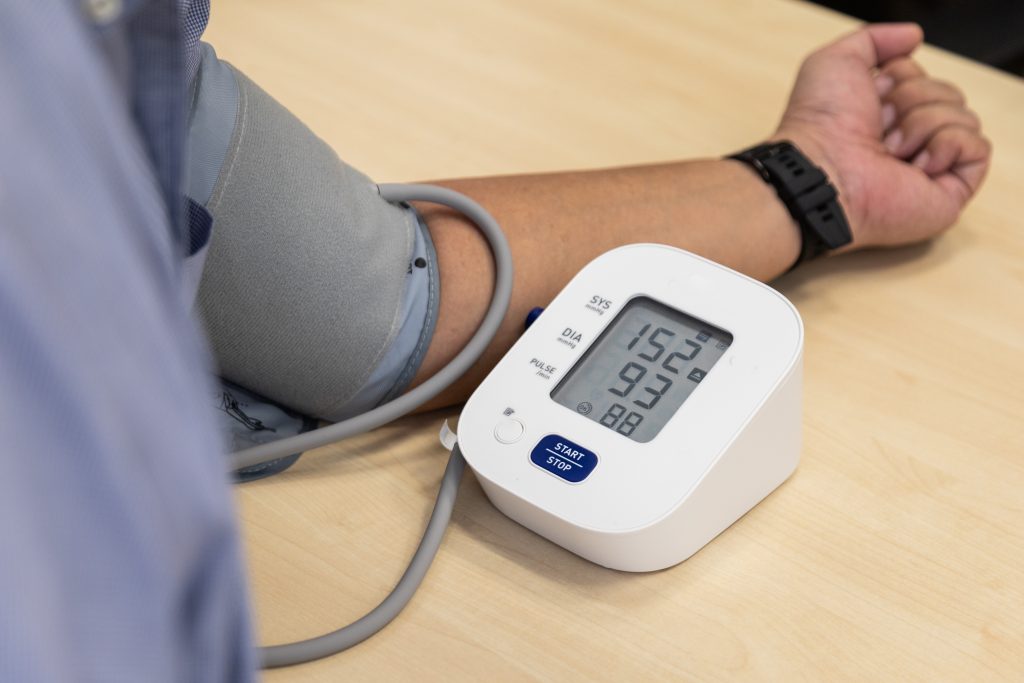
AstraZeneca’s Baxfendy opens a new front in uncontrolled hypertension, but monitoring will decide who benefits

Personalised cardiology cannot succeed if women’s hearts still follow men’s pathways

IPM Brief – Issue 6 | Who Gets to Decide?

IPM Brief – Issue 4 | Who Carries the Risk?
Join us at From Capital to Care
12 January 2027 | 20:00 - 21:00
KFF Conference Center, San Francisco, San Francisco, United States • North America / Global
Interested in this event?
IPM Alliance welcomes engagement from policymakers, scientific experts, patient organisations, health-system leaders, industry partners and implementation actors.