
IPM Take
Approval is not access. In rare disease, that difference can decide everything.
The EU has authorised Itvisma for older children, teenagers and adults with 5q spinal muscular atrophy. That opens a new one-time gene-replacement option beyond the youngest patients. But now the political work begins: eligibility, referral, intrathecal delivery, specialist-centre capacity, reimbursement and monitoring across systems that do not move at the same speed.
A gene therapy may be one-time. The access fight rarely is.
Executive Summary
The European Commission authorised Itvisma, onasemnogene abeparvovec, for people aged two years and olderwith 5q spinal muscular atrophy and a bi-allelic mutation in the SMN1 gene.
Itvisma is an AAV9-based gene therapy administered through a one-time intrathecal injection. The authorisation is based on the registrational STEER study, with supporting evidence from the STRENGTH and STRONG studies.
Novartis reported that STEER demonstrated a statistically significant 2.39-point improvement on the Hammersmith Functional Motor Scale Expanded, sustained through 52 weeks. The European Medicines Agency product information also sets out the treatment indication and monitoring requirements.
The authorisation creates a legal route to treatment across the EU. It does not create equal national access. Reimbursement decisions, expert-centre capacity, referral timing and local delivery pathways will decide who reaches treatment in practice.
Why it matters
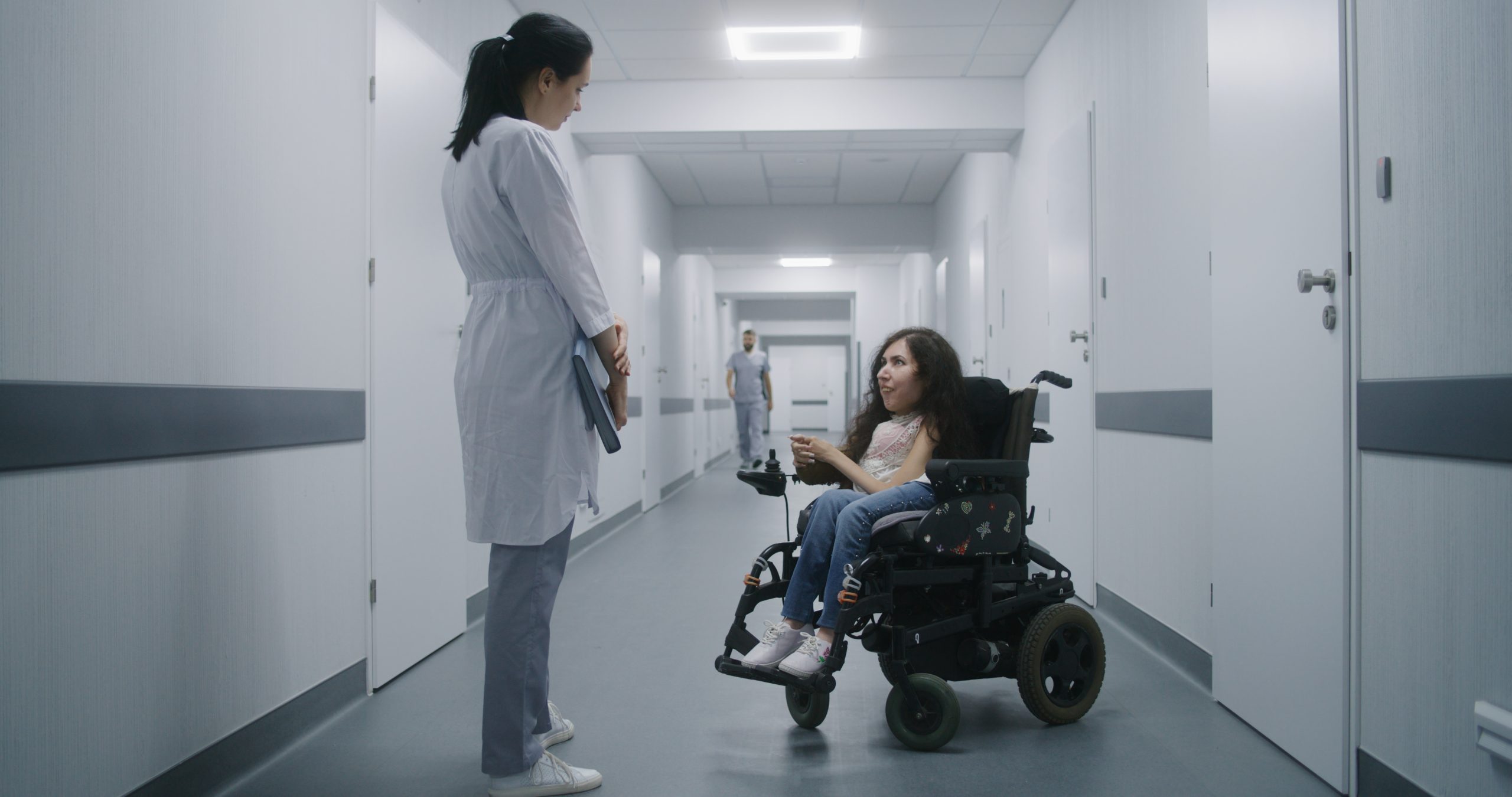
- Patients / advocates: Older children, teenagers and adults with SMA need treatment choices that reflect mobility, fatigue, autonomy, education, work and daily function.
- Clinicians: Broader eligibility brings practical questions around patient selection, prior therapy, intrathecal administration and long-term follow-up.
- Payers: One-time gene therapy intensifies the debate over value, budget impact and how systems assess outcomes over time.
- Regulators and public authorities: EU authorisation establishes a route. National implementation will determine whether it becomes a fair route.
SMA is no longer a disease where the only ambition is survival.
That is real progress. It is also why the policy questions are getting harder. More people with SMA are living into later childhood, adolescence and adulthood. Health systems therefore have to think beyond the old emergency model and confront what matters across a lifetime: endurance, fatigue, independence, school, work, respiratory care and family life.
Itvisma arrives in that transition.
The therapy is designed to provide a functional copy of SMN1 through a one-time intrathecal administration. For patients who may already have different treatment histories, levels of function and relationships with specialist centres, that creates opportunity but also complexity.
The authorisation should not be treated as a corporate milestone alone. It is an implementation test for Europe.
Some countries will move quickly. Some centres will be more experienced in intrathecal gene-therapy delivery and long-term monitoring. Some patients will already be known to specialist neuromuscular teams. Others may have spent years outside high-capacity pathways, with limited visibility to the systems now deciding who is eligible.
That is where inequity begins.
The scientific question is whether Itvisma can preserve or improve motor function in the right population. The political question is whether Europe can stop a broad authorisation becoming a narrow privilege for the patients in the best-connected systems.
The door is wider. Europe now has to prove that people can get through it.
