
IPM Take
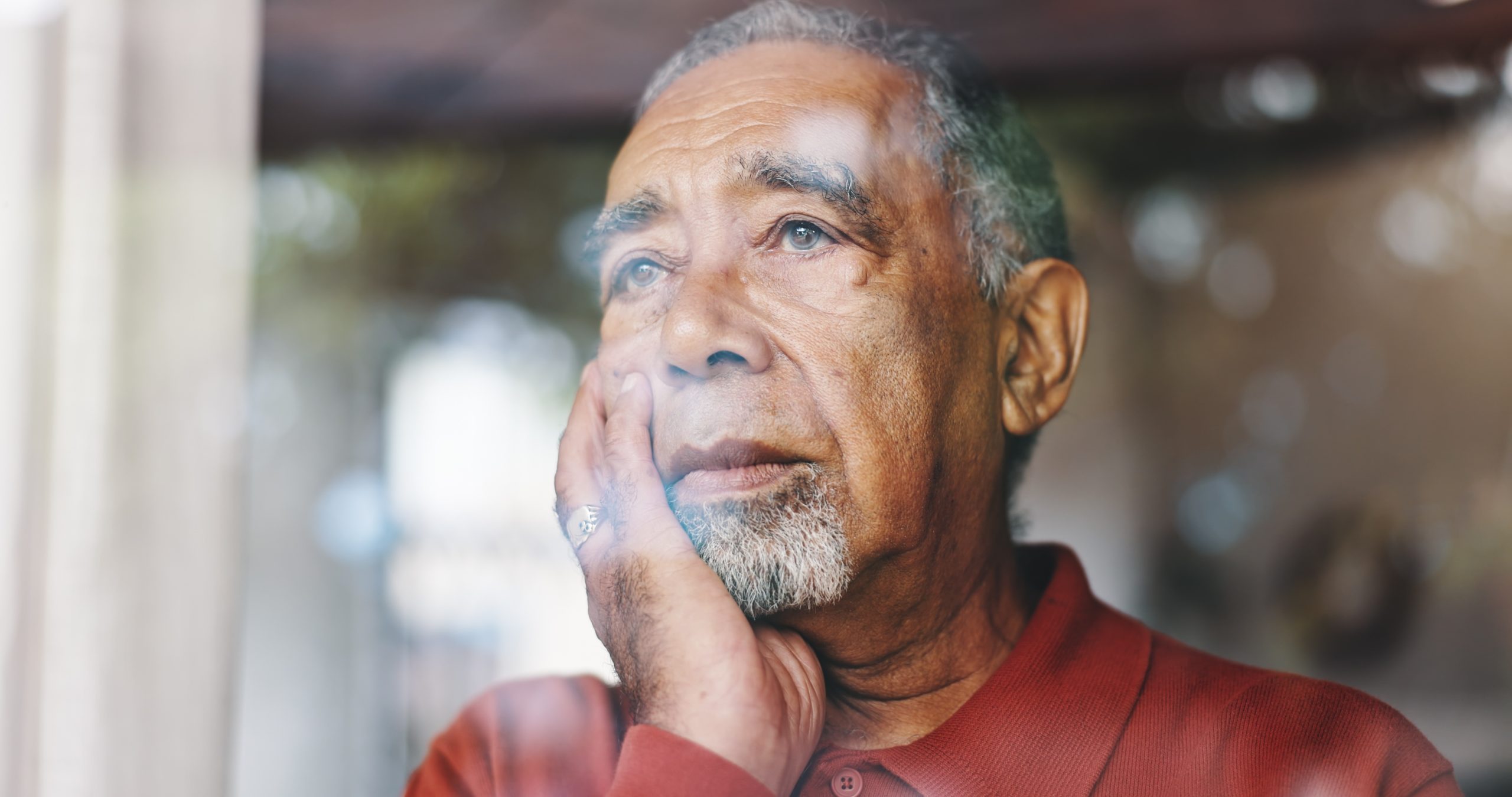
This is the kind of article IPM should publish because it reminds people what personalised medicine must not forget. A dementia diagnosis is not only a clinical event. It is a social event, a family event, a fear event. Too often, people are treated as if the diagnosis has already erased them. That is not care. That is abandonment dressed up as realism. The future of dementia care needs biomarkers and treatments, yes, but it also needs dignity, counselling, rehabilitation, social connection and the right to keep living.
Executive Summary
A Guardian letters piece published in June 2026 responded to recent coverage of dementia activists and highlighted how people living with dementia are often overlooked, underestimated and treated as if their emotional and social lives have already ended. Contributors stressed the importance of continued engagement, meaningful activities, post-diagnostic emotional support, less risk-averse care and recognition of the person behind the diagnosis. The piece also linked to the wider debate sparked by Guardian coverage of “dementia rebels”, people living with dementia who are challenging stigma, prescribed disengagement and the idea that diagnosis should mean retreat from life.
Why it matters
- Patients: A diagnosis should not become a social death sentence. People living with dementia still need purpose, connection and respect.
- Caregivers: Families need support that helps them preserve personhood, not only manage decline.
- Clinicians and public authorities: Post-diagnostic care cannot stop at information leaflets. Emotional support, counselling, rehabilitation and community participation should be part of the pathway.
Dementia is often discussed as loss.
Loss of memory. Loss of function. Loss of independence. Loss of recognition. That is real, and no serious article should soften the pain families face.
But there is another loss that health systems create themselves: the loss of personhood after diagnosis.
The Guardian letters published on 14 June make this painfully clear. People living with dementia are too often overlooked, underestimated and spoken about as if their life has already moved into the final chapter. The responses describe something more complex: people who still enjoy music, volunteering, walking, eating out, conversation, routine, touch, memory fragments, humour and belonging.
That should not be surprising. But the fact that it still needs to be said is the scandal.
A dementia diagnosis often triggers fear in everyone around the patient. Families become protective. Professionals become cautious. Institutions become risk-averse. The person becomes a diagnosis to be managed rather than a citizen to be supported.
This is where personalised medicine has to be honest with itself. A biomarker can tell us something about disease biology. It cannot tell us whether the person still wants to sing, vote, walk, cook, work, volunteer, love or argue. That information comes from listening.
For IPM, this is a post-diagnostic pathway story. Earlier diagnosis is only ethical if what follows is not emptiness. If health systems push for earlier detection but fail to provide counselling, rehabilitation, social support and dignity, then they have only moved fear earlier.
Dementia care must be built around the person who remains, not only the functions that decline.
