
IPM Take
COVID has not disappeared. It has become easier to ignore.
That is why this study matters. It is not a promise of perfect protection. It is a real-world estimate of what vaccination still does in the setting that matters most to patients and health systems: keeping people out of emergency care and hospital beds.
Executive Summary
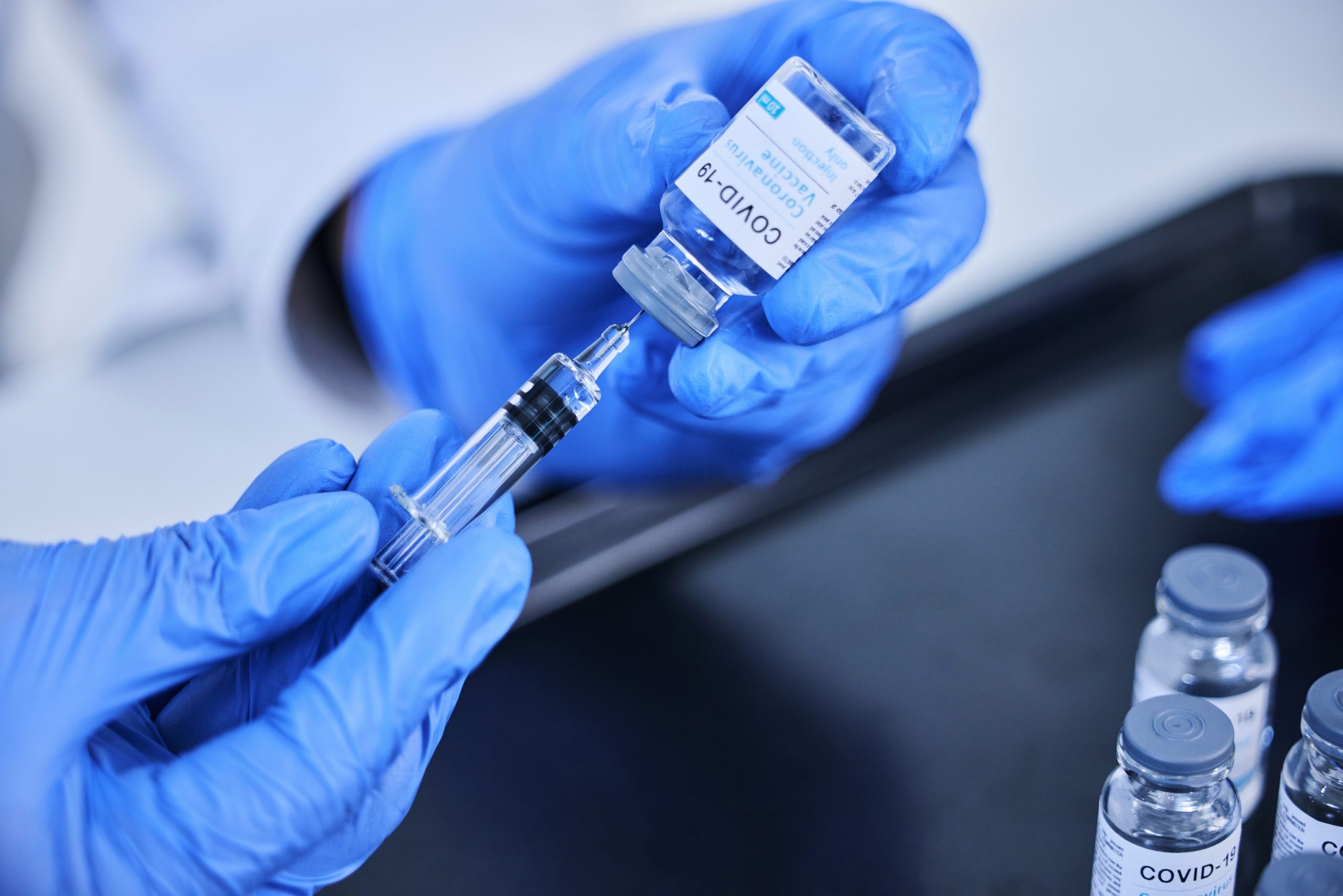
A JAMA Network Open study published in June 2026 found that the 2025 to 2026 COVID-19 vaccines were associated with 50% effectiveness against COVID-19-related emergency department or urgent-care encounters and 55% effectiveness against COVID-19-related hospitalisation among immunocompetent U.S. adults. The interim analysis used electronic health-record data from 253 emergency and urgent-care sites and 179 hospitals across seven states between September and December 2025.
Why it matters
- Clinicians: Have new real-world evidence to support conversations with adults who are unsure whether another seasonal dose still has value.
- Patients: Need straightforward information about what vaccination can and cannot do, especially if they are older or have underlying conditions.
- Public authorities: Should ensure that clear evidence is not lost in the noise around changing vaccine policy and public trust.
The study’s message is neither dramatic nor trivial.
Vaccination did not erase COVID. It reduced the likelihood that adults with COVID-like illness would need emergency or urgent care, and it reduced the likelihood of hospitalisation. Among adults aged 65 and older, effectiveness against hospitalisation was estimated at 53%.
The analysis matters because it measures added protection in a population that already had substantial infection-induced immunity, vaccine-induced immunity or both. The authors found that the updated 2025 to 2026 dose still provided measurable protection beyond that background immunity.
This is the kind of evidence that is easy to overlook because it does not offer a single dramatic breakthrough. But public health rarely advances through one spectacular result. It advances when fewer people need a hospital bed, fewer families face a sudden emergency and clinicians have a clearer basis for recommending prevention.
The study also has limits. It covered immunocompetent adults with COVID-like illness during September to December 2025. It did not assess protection against critical illness, death, children, immunocompromised adults or durability over longer periods. Those limits should be stated clearly, not used to dismiss the result.
For IPM, this is a reminder that evidence has a delivery problem of its own. A result only becomes useful when it reaches patients, informs clinical advice and translates into a real opportunity to access prevention.
