
IPM Take
Cancer systems measure response, progression and survival. They are much less consistent about measuring whether a person can still climb stairs, prepare food, get safely through the night, return to work or live independently.
That is not a soft endpoint. It is whether treatment remains livable.
Cancer rehabilitation should not begin after a person has already lost function. It should be built into the pathway early enough to protect it.
Executive Summary
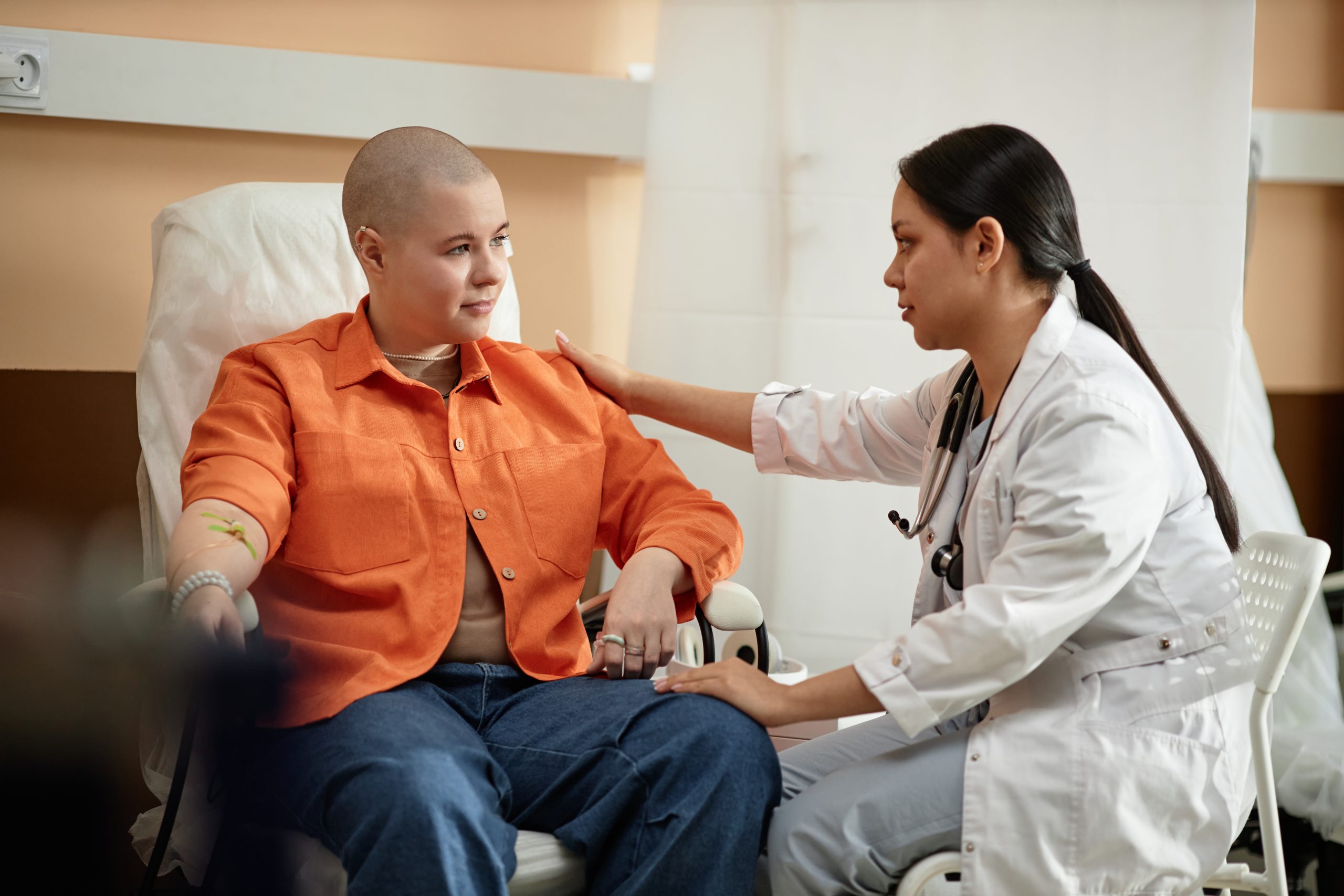
In June 2026 CURE interview, oncology physical therapist Dr Leslie Waltke argued that rehabilitation planning should begin around the time of diagnosis, rather than after surgery, systemic treatment or radiotherapy have already led to functional decline.
She identified older age, living alone, and physical, functional or metabolic comorbidities as factors that may increase the risk of losing independence during treatment. She also highlighted the cultural barrier created when patients are told simply to “take it easy” without practical guidance on safe movement and rehabilitation.
Her call for earlier integration aligns with broader evidence. ASCO recommends aerobic and resistance exercise during active curative-intent cancer treatment to help mitigate treatment-related side effects, when clinically appropriate.
Why it matters
- Patients / advocates: Mobility, strength and independence are cancer-care outcomes, not optional extras.
- Clinicians: Functional risk should be considered before treatment starts, not only after a fall, admission or loss of independence.
- Hospitals / providers: Rehabilitation needs clear referral routes and stronger integration with oncology teams.
- Health systems: Paying for treatment without protecting function delivers incomplete cancer care.
Cancer treatment is often described as a fight.
It is also an endurance event.
Surgery, chemotherapy, radiotherapy and prolonged systemic treatment can change a person’s ability to move, sleep, work, climb stairs, care for a child, shop for food or remain safely at home. For some people, these changes are temporary. For others, they are the difference between finishing treatment independently and becoming dependent on emergency services, family support or hospital care.
Dr Leslie Waltke’s argument is blunt: do not wait for the decline.
In her CURE interview, Waltke calls for rehabilitation to be considered around diagnosis, especially for people at higher risk of losing functional independence. Her point is not that every patient needs the same exercise plan or specialist intervention. It is that oncology care should identify who is vulnerable early, before treatment pressure exposes a gap that could have been anticipated.
That matters because cancer care has a culture problem.
Patients are often frightened to move. Families, trying to protect them, may reinforce rest as the default. Clinicians may focus understandably on scans, pathology, toxicities and treatment schedules, while rehabilitation is treated as something to consider later.
But later is often when the damage is already done.
The evidence base is not asking cancer teams to turn every clinic into a gym. ASCO guidance supports appropriately prescribed aerobic and resistance exercise during active curative-intent treatment, recognising its role in reducing treatment-related effects. The practical message is simpler: function must be part of treatment planning.
A patient who loses mobility during treatment has not merely developed a side issue. They may lose confidence, independence, income, social connection and the physical reserve needed to continue care.
For IPM, this is a real last-mile question. Personalised cancer care should not only match a treatment to tumour biology. It should also match support to the person expected to live through that treatment.
A cancer pathway that waits for people to fall before offering rehabilitation is not cautious. It is late.
