
IPM Take
The warning has arrived before the wards fill. That is the point.
Bangladesh knows what a dengue catastrophe looks like. It lived through one in 2023. So this cannot become another cycle of waiting for hospital beds to fill, then announcing emergency measures when mosquito season has already won. Early warning only matters when it changes who sprays, who tests, who communicates and who gets care first.
Executive Summary
Reuters reported that reported dengue infections in Bangladesh rose from 714 at the end of May to 5,924 by the end of June, while dengue deaths rose from one to 18. Experts cited heavy rain, warm temperatures, high humidity and inadequate mosquito-control measures as conditions favouring further spread. An entomologist at Jahangirnagar University warned that cases in Dhaka could at least double in July and rise three- to fourfold by August, with a potentially steeper increase outside the capital.
Why it matters
- Public authorities: Need early-warning systems that identify breeding sites and rising hotspots before transmission becomes visible through hospital admissions.
- Clinicians: Need prompt triage and clear referral pathways for people showing warning signs of severe dengue.
- Communities: Need prevention advice that reaches households, construction sites, schools and neighbourhoods where standing water allows Aedes mosquitoes to multiply.
Dengue does not arrive as a surprise. It arrives as weather, water and delay.
By the end of June, Bangladesh’s reported dengue infections had risen more than eightfold in one month. The death count had increased from one to 18. These figures remain far below the country’s catastrophic 2023 outbreak, when more than 321,000 people were infected and 1,705 died. But that is exactly why they matter. Bangladesh has seen where this curve can lead.
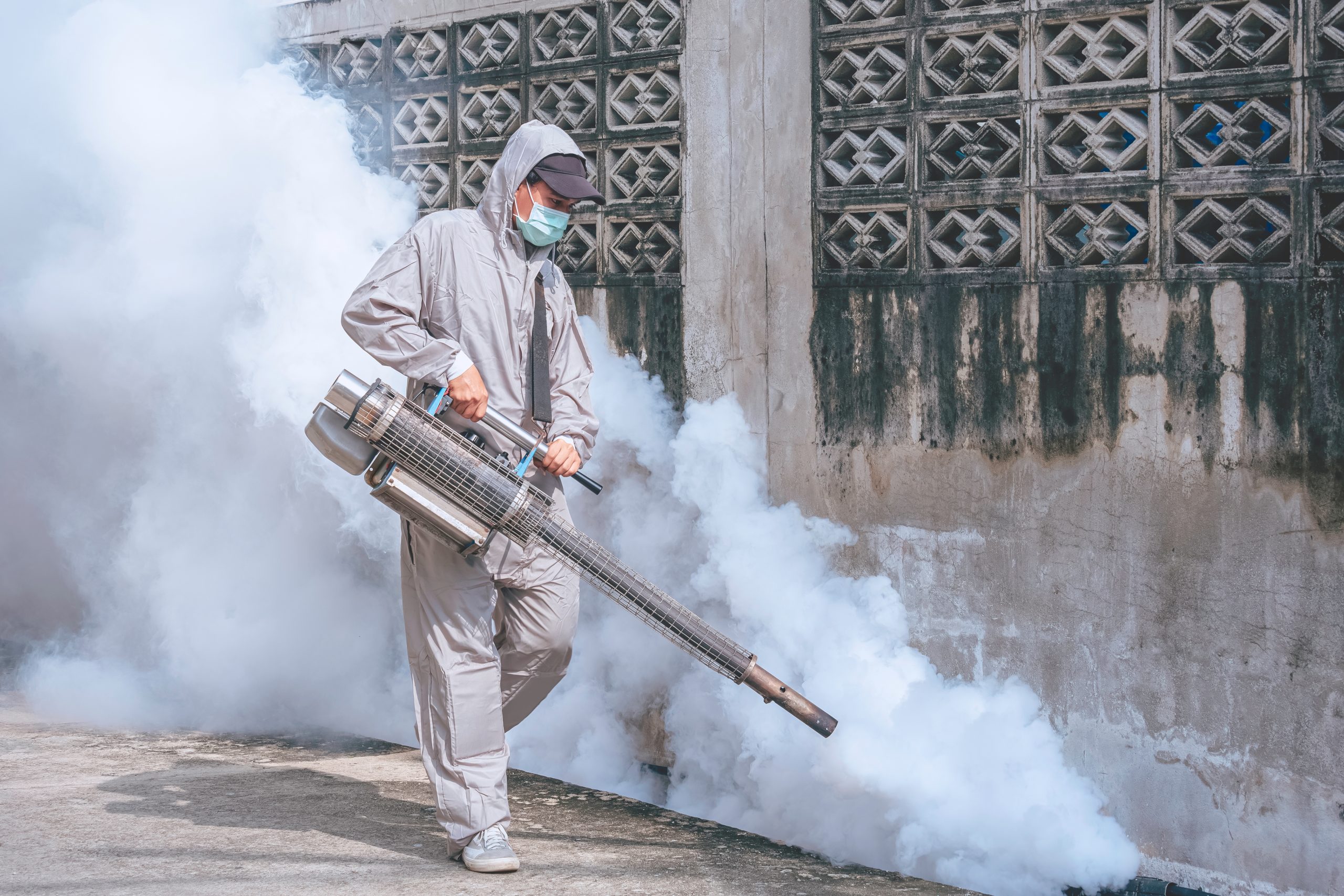
This is not simply a mosquito problem. It is an urban-management and readiness problem. Heavy rain, heat and humidity create favourable breeding conditions. Inadequate mosquito control lets those conditions turn into transmission. Weak early warning means authorities discover hotspots through ill patients rather than preventing the next wave.
The human risk is not evenly shared. Families with fewer resources may be least able to keep water storage covered, pay for transport to care or take time away from work when a child has persistent fever. Outside Dhaka, the next rise may be even steeper, where diagnostic access and referral capacity can be thinner.
The expert call is direct: establish a nationwide early-warning system that maps breeding sites and rising hotspots, allowing health authorities to act before outbreaks worsen. That is not a futuristic digital-health project. It is the basic infrastructure of prevention.
For IPM, dengue is precision public health at city scale. The aim is not only to treat the person who arrives with fever. It is to identify where risk is concentrating, direct vector-control teams there first, prepare clinics before the surge and make sure the people most exposed can reach care early.
The window is narrowing. It has not closed yet.
