
IPM Take
“Natural” is not a safety standard.
The moringa outbreak is not only a food-recall story. It is a test of whether consumer-health markets can be traced when something goes wrong. Long-shelf-life powders and capsules do not disappear when a recall notice goes out. They stay in kitchen cupboards, travel through online marketplaces and remain easy to consume long after the public warning has faded.
Executive Summary
FDA updated its active investigation into a multistate Salmonella outbreak linked to dietary supplements containing imported moringa leaf powder. The outbreak had sickened 119 people across 36 U.S. states, with 32 hospitalisations and no reported deaths. FDA added two further recalled TNVitamins moringa products after ingredient samples tested positive for Salmonella, although those samples did not match the outbreak strain. The investigation remains ongoing.
Why it matters
- Regulators: Need supply-chain traceability and recall systems that keep pace with supplements sold through multiple online and retail channels.
- Consumers: Need clear, practical guidance on recalled products and what to do with items already at home.
- Public authorities: Need outbreak communication that reaches people before products with long expiry dates remain in circulation for years.
This outbreak began in the part of the market that sells reassurance.
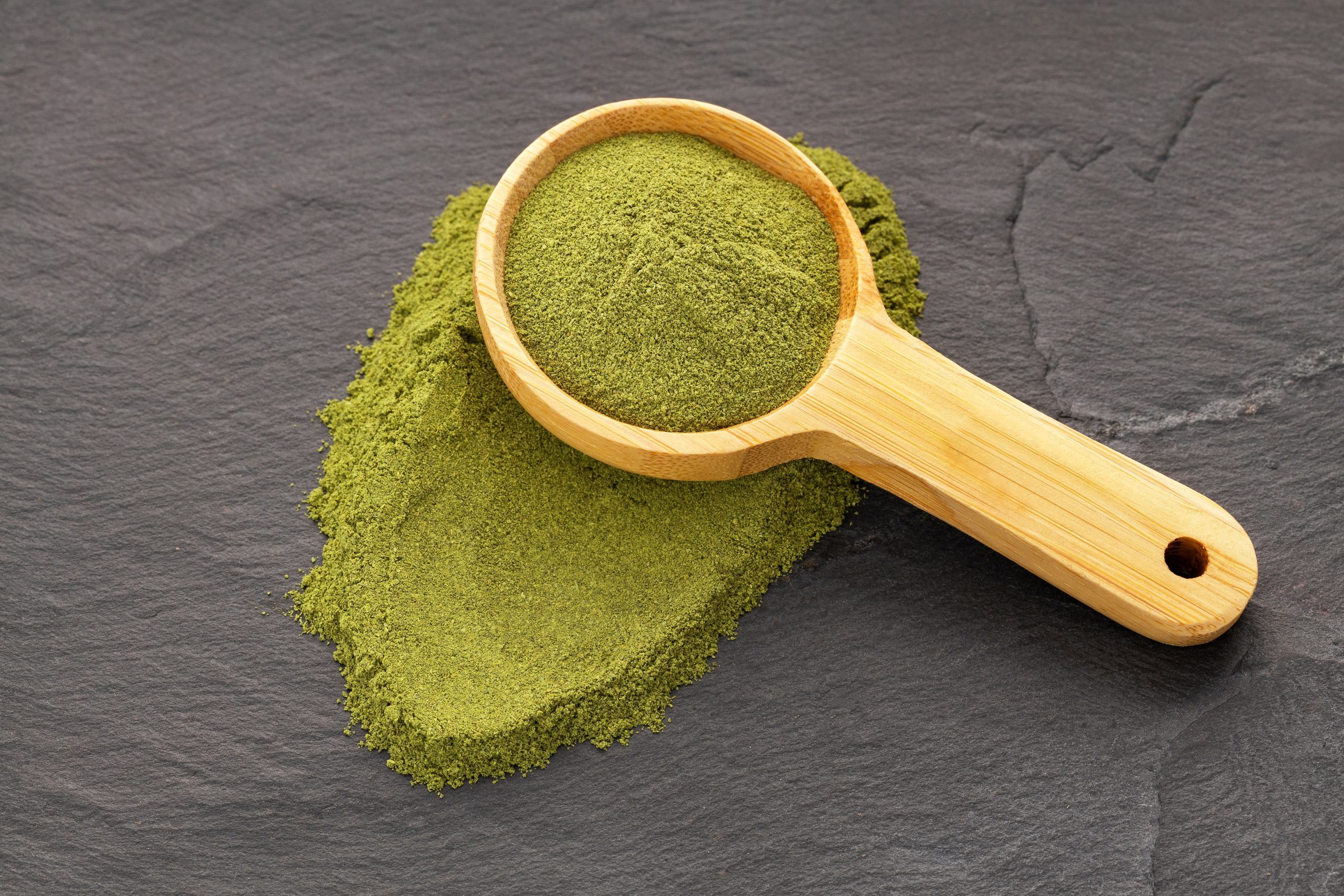
Moringa products are marketed through the language of energy, nutrition and clean living. But by the end of June, an outbreak linked to moringa leaf powder had put 32 people in hospital across 36 states. That is not a wellness story. It is a consumer-protection failure with a pathogen attached.
FDA and CDC are investigating Salmonella outbreaks associated with moringa leaf powder. FDA’s 30 June update added new recalled TNVitamins products after ingredient samples tested positive for Salmonella. The agency was clear about an important nuance: those samples did not match the outbreak strain. They still triggered recall action because contaminated ingredients cannot be left circulating in the consumer market.
The operational difficulty is obvious. These products move through company websites, online marketplaces and large retailers. The latest recalled TNVitamins products were sold nationally through Amazon, Walmart, TikTok Shop, Target and the company’s own website. Some product expiry dates extend into 2028.
That means the recall is not over when the headline ends. It becomes a patient-navigation problem. People need to identify the product, check the lot number, stop using it, dispose of it safely and understand when symptoms such as diarrhoea, fever or abdominal cramps require medical attention.
The outbreak also exposes a gap in how supplements are understood. A product can look low-risk because it sits beside vitamins and green blends. But once contaminated, it enters the same public-health reality as any other food product: traceback, laboratory testing, recalls, hospitalisations and lives disrupted.
For IPM, the lesson is blunt. Traceability is not paperwork. It is what turns a warning into an intervention before more consumers get sick.
