IPM Take
A West Nile map is not just epidemiology. It is part of Europe’s blood-safety infrastructure.
Every newly affected area can alter how authorities assess donor exposure.
That makes speed, geographic precision and coordination regulatory necessities.
Executive Summary
ECDC reported 429 locally acquired human West Nile virus infections across nine European countries.
Italy accounted for 224 cases, Greece 105, Spain 42, North Macedonia 30, Romania 18, France six, Serbia two, Germany one and Kosovo one.
Seventy-seven areas had recorded local human transmission, including 19 areas reported as affected for the first time during that week.
Why it matters
- Blood and transplant authorities: Geographic surveillance feeds directly into decisions on donor testing and deferral.
- Clinicians: Expanding affected areas should lower the threshold for considering West Nile in compatible neurological or febrile presentations.
- Public authorities: Mosquito surveillance, human surveillance and regulatory communication need to operate from the same current map.
At the beginning of July, Europe had six reported human West Nile infections.
That was the warning.
By 13 August, surveillance was recording 429 locally acquired infections in 77 areas across nine countries.
The significance is not simply that summer transmission accelerated.
It is that the map now has regulatory consequences.
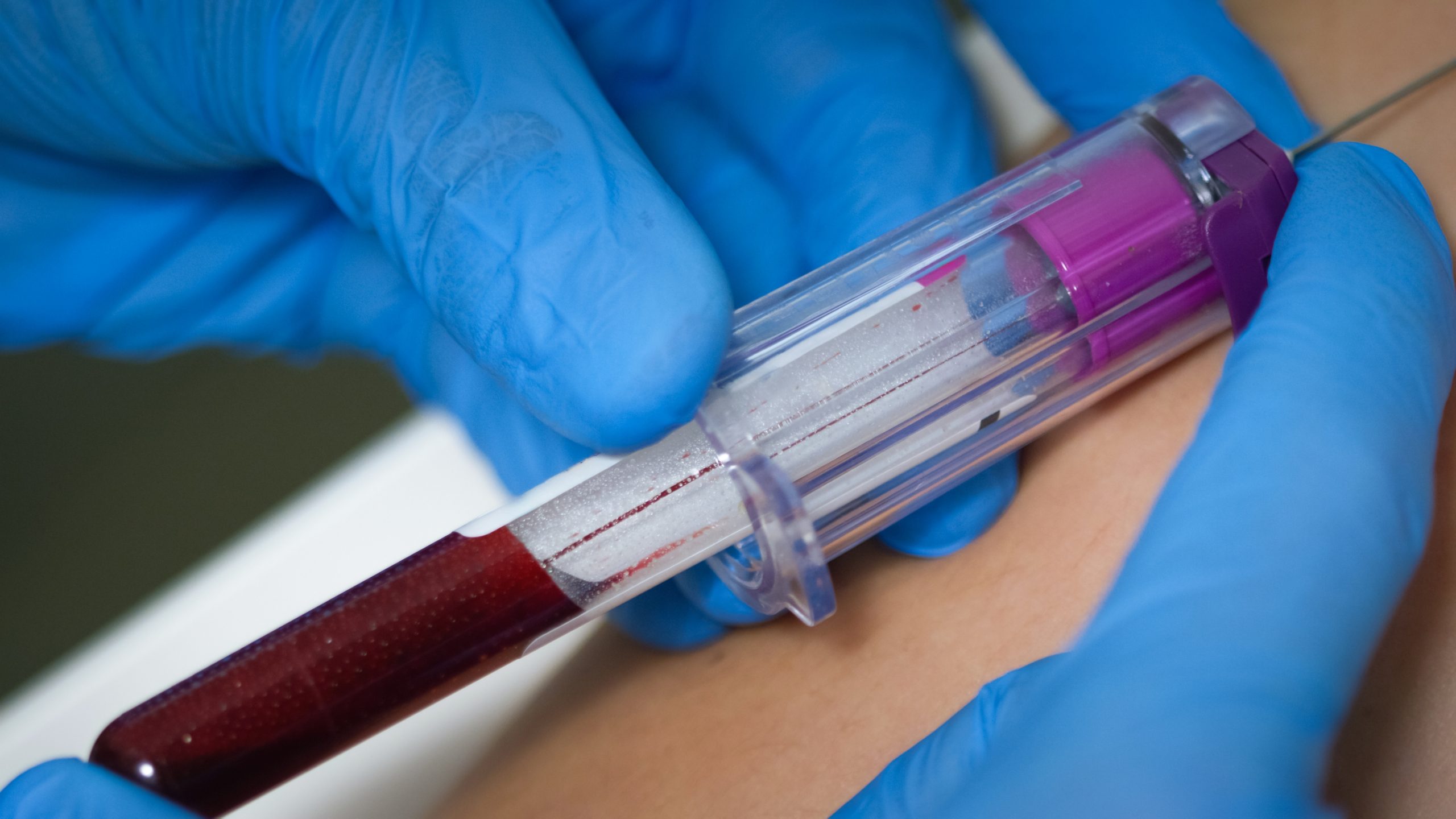
West Nile surveillance supports decisions made by authorities responsible for substances of human origin, particularly blood and blood components.
That turns geographical surveillance into operational infrastructure.
A newly affected area is not merely another coloured polygon on a dashboard.
It can affect donor eligibility.
It can trigger additional blood testing.
It can alter deferral rules.
And it can change the level of clinical suspicion in local hospitals.
Nineteen areas were reported as affected for the first time during a single week.
Italy alone accounts for more than half of the locally acquired cases currently reported, followed by Greece and Spain.
Europe therefore has two challenges at once.
The first is epidemiological: detect human transmission and understand where it is occurring.
The second is institutional: ensure that the people who need that information receive it quickly enough to change practice.
That includes blood services.
It includes clinicians assessing unexplained encephalitis or febrile illness.
It includes mosquito-control programmes.
And it includes authorities communicating risk without creating the impression that every mosquito bite is a medical emergency.
West Nile is a useful test of modern public health because the tools are not glamorous.
Surveillance.
Geographic data.
Laboratory confirmation.
Vector control.
Blood-safety regulation.
Clinical awareness.
None works particularly well in isolation.
The early warning period has passed.
The task now is to keep the operational system moving at the same speed as the transmission map.
