
IPM Take
Six cases are not a crisis. Ignoring them would be a mistake.
Europe’s West Nile season has started with six reported human infections across Italy, Romania and North Macedonia. The number is small, but the response cannot be. West Nile is precisely the kind of threat where surveillance, mosquito control and blood-safety measures matter most before hospitals begin reporting a visible surge.
Executive Summary
In its weekly report, ECDC said that six human West Nile virus infections had been reported in 2026 across Italy, Romania and North Macedonia, affecting six areas. ECDC said seasonal weather conditions were favourable for mosquito-borne transmission and that more cases were expected in the coming weeks.
Why it matters
- Public authorities: Need targeted surveillance and vector-control action before seasonal transmission intensifies.
- Hospitals and clinicians: Need to recognise potential cases early and communicate risk areas quickly.
- Blood services: Need rapid, coordinated action where local transmission affects donor-safety rules.
The number is six. The responsibility is much larger.
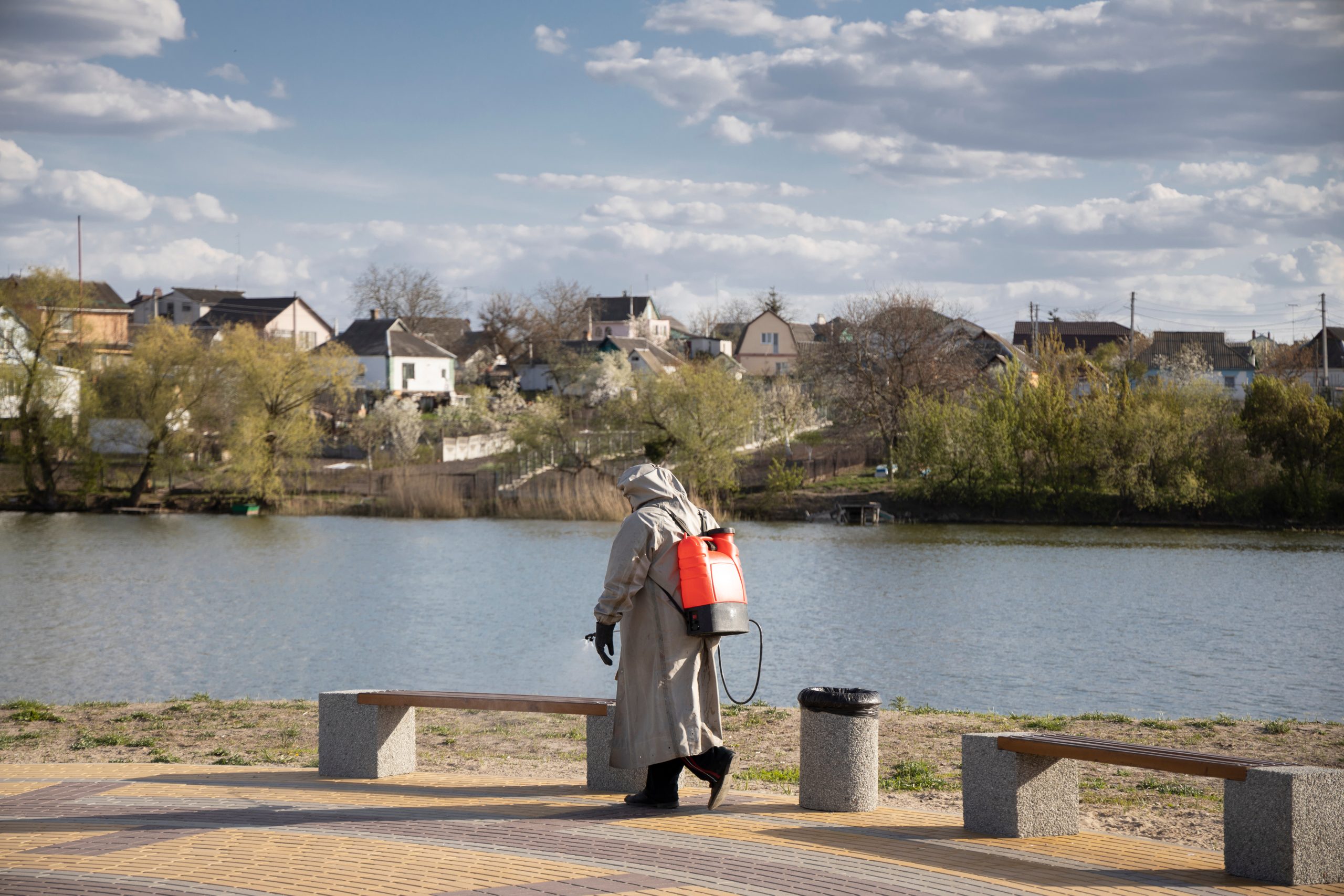
West Nile virus rarely creates the political drama of a new pandemic threat. It returns through summer conditions that many systems already understand: mosquito activity, changing weather patterns, local animal surveillance and human cases appearing across familiar risk areas.
That predictability is exactly why delay is unacceptable.
ECDC reported six human cases across Italy, Romania and North Macedonia as of 1 July. It also warned that conditions were favourable for mosquito-borne transmission and that more cases were expected in the weeks ahead.
The policy consequence is immediate. West Nile surveillance is not just a public-health dashboard. It also supports blood-safety decisions. Under European blood-safety rules, people who have left an area with locally acquired West Nile transmission may face a 28-day deferral from allogeneic blood donation unless an individual nucleic-acid test is negative.
That is the real value of early warning. A map update may look technical. In practice, it determines how blood establishments manage risk, how clinicians think about unexplained neurological illness and where public-health teams should concentrate mosquito surveillance.
West Nile is often treated as a seasonal inevitability. It should be treated as a systems test. The question is not whether mosquitoes will return. They already have. The question is whether the institutions responsible for surveillance, laboratory confirmation, blood safety and clinical preparedness are working from the same picture before cases rise.
The strongest public-health response is often the one no one notices. Fewer missed signals. Faster shared data. Safer blood. Fewer patients arriving too late for the system to claim it was caught by surprise.
