
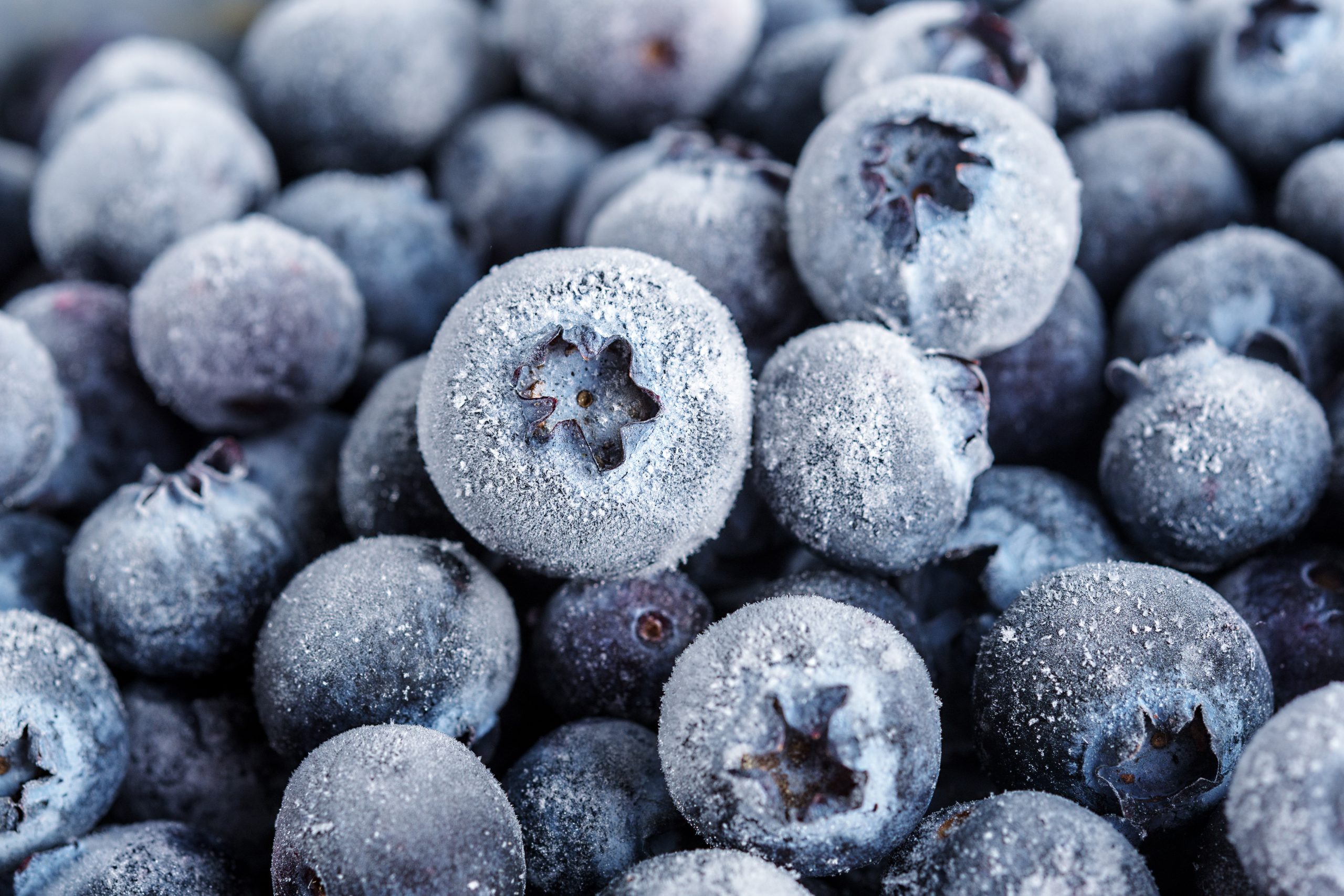
IPM Take
A supermarket can remove a product in hours. A household freezer can preserve it for years.
That difference is the governance problem in this outbreak. Once a long-life frozen product enters homes, regulatory success cannot be measured only by whether retailers have stopped selling it. Authorities have to reach consumers who bought it weeks or months earlier and may have no reason to check a recall notice for something buried at the back of the freezer.
Executive Summary
FDA and CDC are investigating a multistate outbreak of E. coli O145:H28 linked to organic frozen blueberries supplied by Frutas y Hortalizas del Sur S.A. of Chile.
The investigation has identified 17 cases in Florida and Georgia, six hospitalisations and no reported deaths. Eleven of 13 people interviewed reported eating frozen blueberries. On 2 September, the supplier expanded its recall to include a lot of Great Value Organic Triple Berry Blend distributed through Walmart stores in 16 states.
Other recalled GreenWise frozen blueberry and mixed-berry products were distributed through Publix. FDA’s investigation remains ongoing, and recalled products carry a best-by date of February 2028.
Why it matters
- Regulators: Recall communication for frozen products has to remain active long after products disappear from store shelves.
- Retailers and manufacturers: Supply-chain records need to allow contaminated ingredients to be followed across brands, formats and downstream products.
- Consumers: Checking long-term household storage is an important part of outbreak response when recalled food can remain edible-looking for years.
Food recalls usually create an image of products being pulled quickly from a supermarket shelf, an action that is visible, immediate and reassuring. Frozen food complicates that picture. Once a product has been purchased, it can remain outside the retailer’s control for months or years, perfectly preserved in the place regulators cannot recall it from directly: somebody’s home.
That is why the latest expansion of the US frozen-blueberry recall deserves more attention than the relatively small case number might suggest.
FDA and CDC have linked an outbreak of E. coli O145:H28 to organic frozen blueberries supplied by a Chilean producer. Seventeen confirmed illnesses have been identified in two states, six patients have been hospitalised and no deaths have been reported. Among the patients interviewed, 85% reported eating frozen blueberries.
The investigation has now widened beyond the products originally identified. A lot of Great Value Organic Triple Berry Blend sold at Walmart stores across 16 states was added to the recall on 2 September, while GreenWise blueberry and mixed-berry products had already been removed through Publix. The recalled product carries a best-by date stretching into February 2028.
That date changes the communications challenge. Consumers naturally pay attention to recalls involving something they bought yesterday. They are much less likely to remember the brand, lot or date of a frozen product purchased months earlier, particularly if it has been moved into another container or mixed with other food. FDA is therefore explicitly asking people to check their freezers and discard products that cannot be confidently identified.
The supply-chain investigation also raises a wider regulatory issue. FDA previously conducted a remote regulatory assessment of the Chilean supplier, identified concerns involving additional product and placed products from the company on an import alert that can allow detention without physical examination when offered for entry into the United States.
This is the point where outbreak response becomes more than identifying a contaminated packet. Regulators need to understand how the contamination occurred, whether other lots may have been affected, where ingredients travelled and which finished products may contain them. A traceback system that ends at the first brand name is insufficient when one supplier feeds multiple retail channels.
Consumers, meanwhile, need communication that is specific without becoming uselessly complicated. Lot codes and UPCs are essential for precision, but recall notices also have to explain why someone should still care weeks later. The instruction “check your freezer” sounds mundane, yet for a product designed to remain there for years it may be the most important intervention left after retailers have completed their part.
There is also a proportionality issue. Seventeen confirmed cases do not mean every frozen blueberry is unsafe, and public communication should not damage an entire product category by blurring the distinction between implicated lots and unrelated food. Precision protects both health and credibility.
Foodborne disease regulation is often judged at the point where a recall is announced. This outbreak is a useful reminder that announcement is only the midpoint.
The product has left the shelf. The regulator still has to reach the freezer.
