IPM Take
The world has spent six years saying the next pandemic must be handled differently. The unresolved question is now specific enough to test whether governments mean it.
The WHO Pandemic Agreement has created a framework for cooperation, but its Pathogen Access and Benefit-Sharing system remains under negotiation. Until governments agree how pathogen information moves and how the benefits generated from that information are shared, one of the central arguments exposed by COVID-19 remains unresolved: countries are expected to share biological risk quickly, while access to the products developed from that sharing can still arrive much less evenly.
Executive Summary
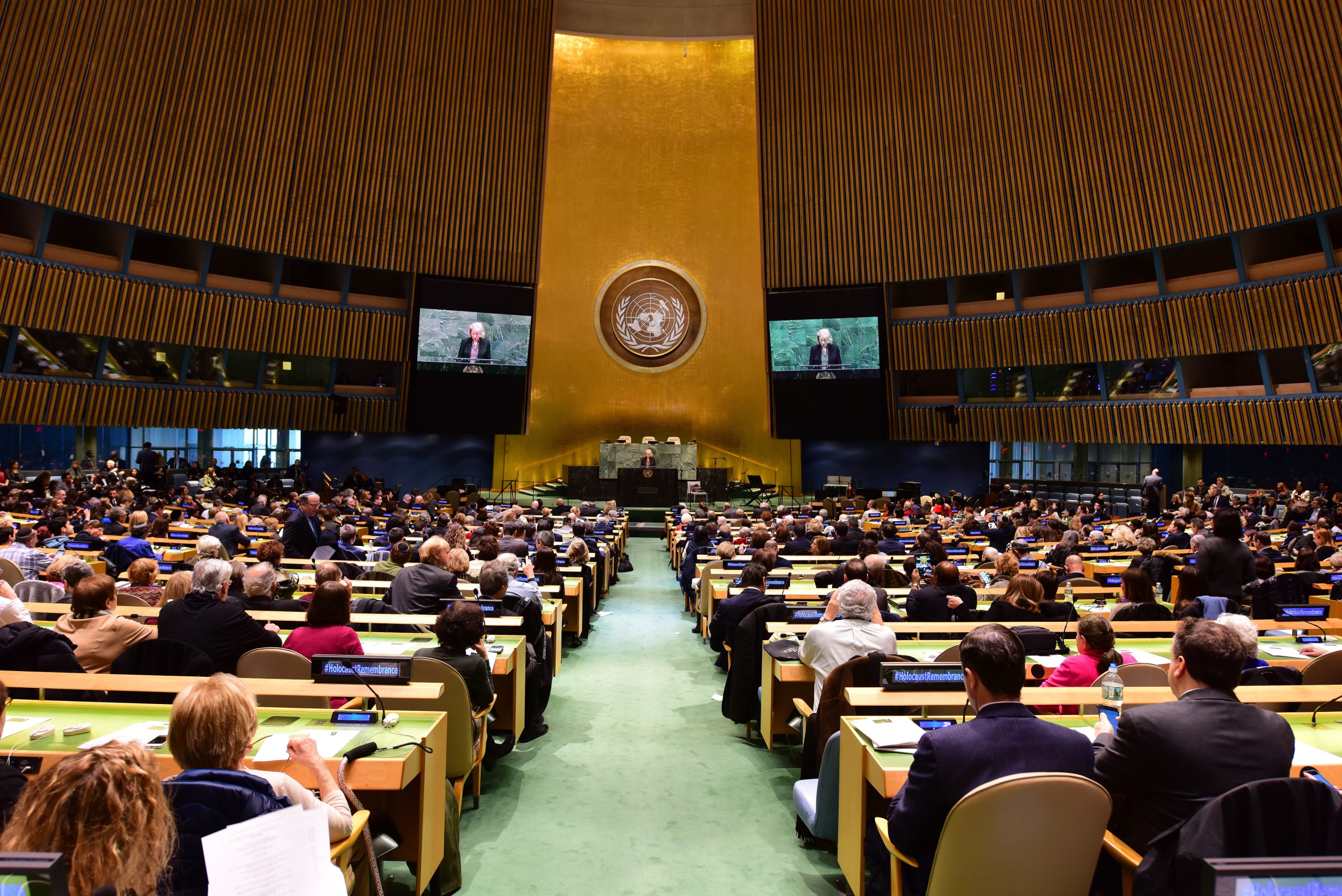
World leaders met at the United Nations General Assembly on 25 September for the second High-level Meeting on Pandemic Prevention, Preparedness and Response, renewing commitments to stronger surveillance, health systems, financing and equitable access to vaccines, diagnostics and treatments.
Since the first high-level meeting, governments have adopted the WHO Pandemic Agreement and amendments to the International Health Regulations. However, negotiations are continuing on the agreement’s Pathogen Access and Benefit-Sharing, or PABS, annex. WHO says completion of the annex is required before Member States can move towards national consideration of the full agreement for ratification. The target is adoption at the World Health Assembly in May 2027.
Why it matters
- Governments: Pandemic preparedness needs operational rules and financing mechanisms that survive after political attention moves elsewhere.
- Low- and middle-income countries: Rapid pathogen sharing needs to be matched by credible access to the vaccines, medicines and diagnostics developed from shared biological information.
- Industry: Manufacturers need predictable rules around access to pathogens, benefit-sharing, production commitments and emergency supply.
Pandemic preparedness has reached the stage where another declaration of intent is no longer enough. Governments have held summits, redesigned surveillance systems, amended international rules and negotiated the first global pandemic agreement. The political language has shifted decisively from whether the world should prepare together to how that cooperation should work. Yet one of the hardest questions has been left for last.
The Pathogen Access and Benefit-Sharing system is supposed to establish the bargain at the centre of the agreement. Countries need to share pathogen samples and genetic sequence information rapidly so scientists and manufacturers can identify threats and develop countermeasures. In return, the system is intended to create a more reliable route to equitable access to the vaccines, medicines, diagnostics and other products that follow.
COVID-19 demonstrated why those two sides cannot be separated. Scientific information crossed borders at extraordinary speed, while access to vaccines and other medical technologies remained heavily shaped by manufacturing capacity, purchasing power and contracts. A global surveillance system that expects universal participation while leaving access to the resulting products largely to market power will struggle to build durable trust.
That is what makes the unfinished annex more than a technical footnote. Governments are trying to define who participates, what material and information enter the system, what manufacturers are expected to contribute in return and how benefits should be allocated during an emergency. Each of those choices touches scientific openness, sovereignty, intellectual property, commercial incentives and global equity at the same time.
There has been genuine progress elsewhere. International Health Regulations have been amended. Countries are expanding genomic surveillance and emergency coordination. Regional manufacturing capacity has become a larger political priority, and the pandemic agreement itself creates a structure that did not exist before COVID-19.
But preparedness should be judged by the places where incentives become difficult, not only by the principles everybody finds easy to endorse. Sharing pathogens rapidly is in the global interest. So is preserving incentives to develop products. So is ensuring that countries contributing surveillance information are not left waiting at the back of the queue when those products become scarce.
The timetable now matters. WHO expects negotiations on the PABS annex to culminate in consideration at the World Health Assembly in May 2027. Until then, the pandemic agreement is politically significant but institutionally incomplete.
The world knows that another pandemic will arrive without waiting for every governance argument to be resolved. That is precisely why the period between emergencies matters.
The next pandemic agreement should not still be negotiating the rules while the next pathogen is already moving.
