
IPM Take
Cancer systems like clean endings: treatment completed, follow-up scheduled, patient discharged back to life. Survivors know it is not that clean. Insomnia, fatigue, anxiety and emotional distress can follow people long after the visible treatment is over. The yoga data matter because they push survivorship into the access debate. Recovery is not only being alive. It is being able to sleep, work, think, move and feel human again.
Executive Summary
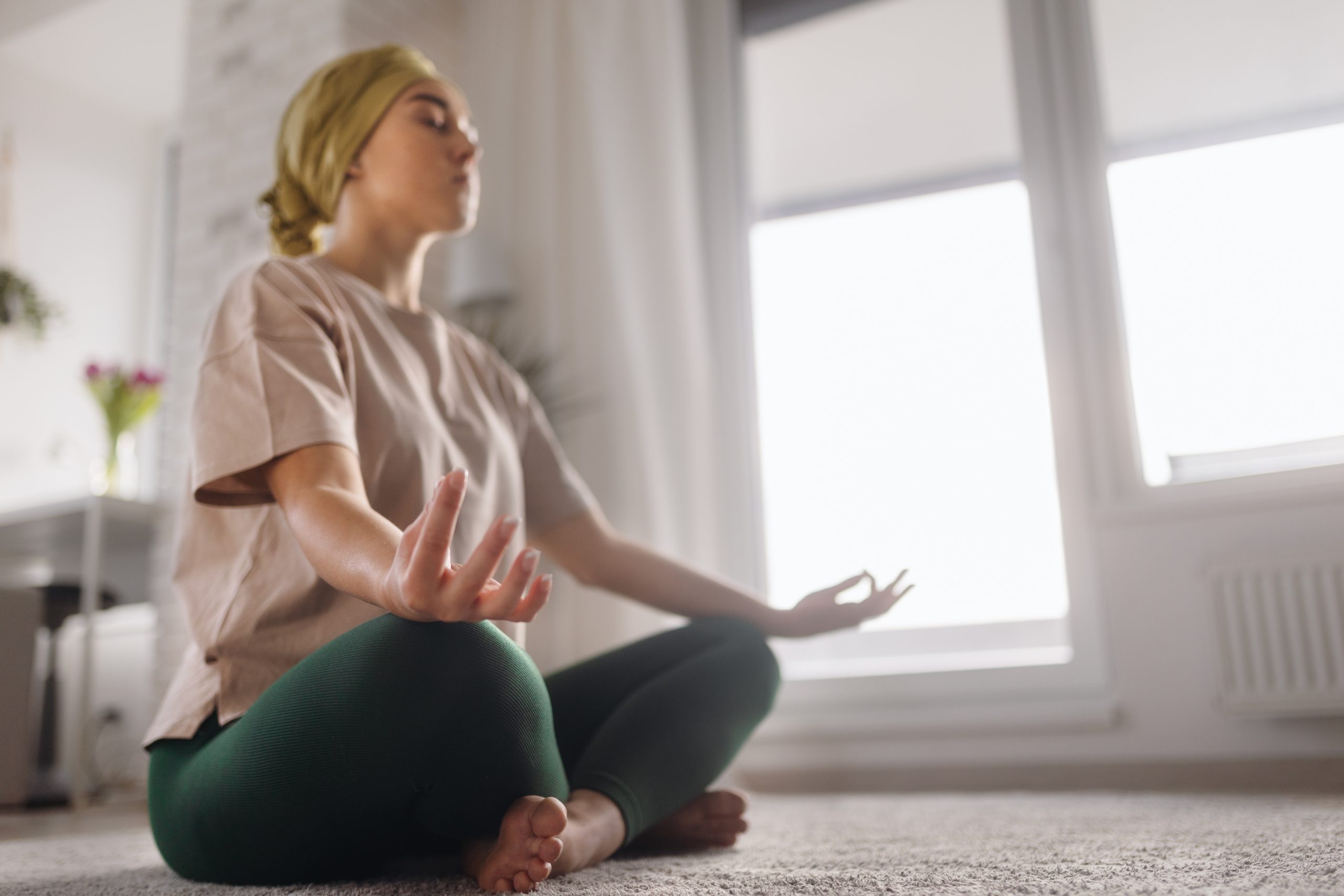
ASCO reported that a structured four-week gentle hatha and restorative yoga programme, Yoga for Cancer Survivors, may help cancer survivors reduce mood disturbance, anxiety, fatigue and insomnia. The study was presented at the 2026 ASCO Annual Meeting. The ASCO Post described the findings as coming from a phase III randomized controlled trial, Abstract 12004, involving cancer survivors assigned to either the yoga intervention or standard survivorship care. The Guardian reported that the study included 410 participants, mostly breast cancer survivors with an average age of 54. The intervention included gentle yoga poses, breathing and mindfulness.
Why it matters
- Patients: Survivorship symptoms are real outcomes, not lifestyle complaints.
- Clinicians: Non-pharmacological supportive care can address symptoms that medications do not always manage well.
- Payers / health systems: Survivorship services should be evaluated as part of cancer care value, not as optional wellness extras.
- Cancer centres: Recovery pathways need to include sleep, anxiety, fatigue and daily functioning.
A cancer survivor can look “finished” with treatment and still be living inside the disease every night.
Insomnia. Fatigue. Anxiety. Mood changes. Fear of recurrence. A body that no longer feels predictable. These are not minor details after the real cancer story ends. For many survivors, they are the story after treatment.
That is why the ASCO 2026 yoga data deserve attention. Not because yoga is a miracle, and not because supportive care should be romanticised as simple. The point is sharper than that: survivorship needs structured, evidence-based support that recognises what patients actually live with.
The YOCAS programme used gentle hatha and restorative yoga, breathing and mindfulness. According to ASCO, the intervention improved difficult survivorship symptoms without adding another medication. The ASCO Post reported improvements in mood disturbance, anxiety and fatigue, with analysis suggesting that improvements in mood and fatigue may partly explain the benefit on insomnia.
The access issue is obvious. Many cancer systems invest heavily in acute treatment and far less in recovery. Patients are monitored for recurrence, but not always supported in returning to daily life. Survivorship care is often patchy, centre-dependent and poorly reimbursed.
For IPM, this is a human care-pathway story. The goal of cancer care cannot stop at tumour control. If treatment saves someone’s life but leaves them exhausted, sleepless and unsupported, the system has not finished its work. Survivorship is not a soft add-on. It is part of the last mile.
