IPM Take
Foodborne outbreaks are easy to underestimate because they look ordinary until the hospital data arrive. Listeria is different. It can turn a routine food purchase into a severe infection for pregnant people, older adults and immunocompromised patients. The access question here is practical: can recall systems, local health departments, retailers and clinicians move fast enough to protect the people most likely to die?
Executive Summary
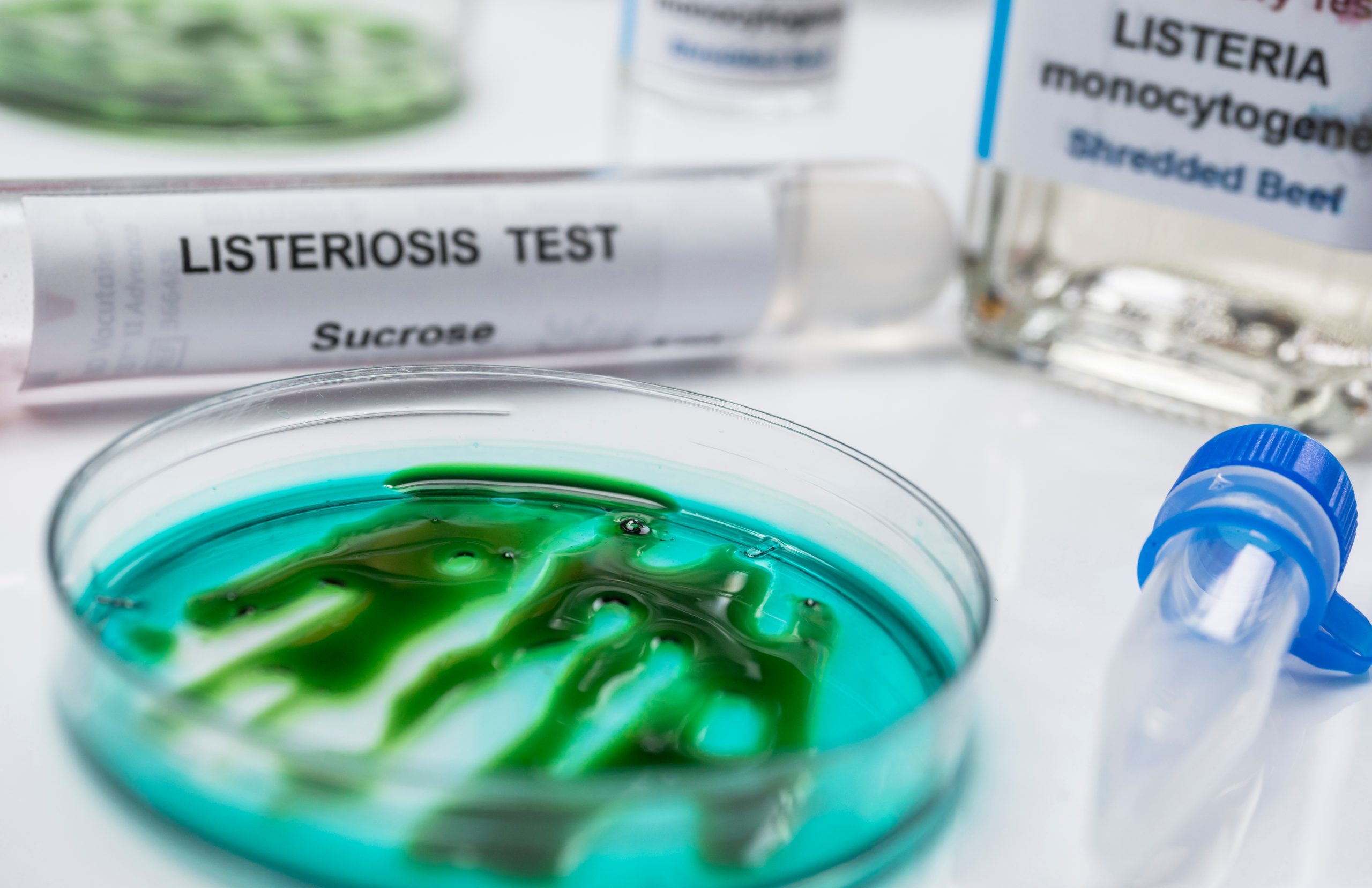
CDC updated its investigation into a multistate Listeria outbreak linked to requesón and soft ricotta cheese. CDC reported nine people infected across three states, eight hospitalisations and one death in Maryland. Epidemiologic, laboratory and traceback data showed that some cheeses supplied by Clover Hill Dairy were contaminated with Listeria monocytogenes, while whole genome sequencing linked Listeria from cheese samples to the outbreak strain. Clover Hill Dairy and Nelson & Isa Lacteos recalled requesón and soft ricotta products, and CDC advised people not to eat, sell or serve recalled cheese.
Why it matters
- Public authorities / regulators: Need fast traceback, recall communication and facility oversight when high-risk foods are implicated.
- Clinicians: Should consider Listeria in high-risk patients with compatible symptoms and recent soft-cheese exposure.
- Patients / families: Pregnant people, older adults and immunocompromised individuals need clear advice, because Listeria risk is not evenly distributed.
Before the update, this outbreak was already serious. The 9 June CDC report raised the count to nine cases and eight hospitalisations, with one death. That hospitalisation pattern is the real warning. Listeria does not behave like a mild stomach bug in high-risk groups. It can cause invasive disease, pregnancy complications and death.
What changed is the strength of the evidence. CDC reported that epidemiologic, laboratory and traceback data pointed to some requesón cheeses supplied by Clover Hill Dairy. Samples from retail and distributor settings tested positive, and whole genome sequencing showed that the cheese strain matched the strain making people sick.
The human perspective is immediate. A recalled cheese may already be in someone’s refrigerator. A pregnant person may not know that soft cheeses can carry higher risk. An older adult may not connect fever and confusion to food exposure from weeks earlier. The true case count may also be higher because some people recover without testing, and recent illnesses can take weeks to be linked to an outbreak.
For IPM, this is precision food safety: identify the product, identify the vulnerable population, connect the lab signal to recall action and communicate in a way people can act on immediately.
