
IPM Take
This looks like a veterinary drug update. It is bigger than that. New World screwworm sits exactly where infectious disease preparedness often gets uncomfortable: animals, households, farms, borders and public anxiety. FDA’s authorisation expands the treatment toolkit before the threat becomes harder to contain. That is the lesson. Preparedness is not dramatic when it works. It is early, practical and sometimes starts with a pet owner noticing a wound.
Executive Summary
FDA issued an Emergency Use Authorization for generic Nitenpyram Tablets to treat New World screwworm myiasis in dogs, puppies, cats and kittens weighing at least two pounds and aged at least four weeks. FDA described this as the first generic animal drug authorised for use against New World screwworm. The agency said most U.S. dogs and cats are at low risk, but risk is elevated for pets recently in areas with confirmed cases.
Why it matters
- Regulators: FDA is using emergency authority to expand animal-health tools for a containment threat.
- Public authorities: Need One Health preparedness that links animals, surveillance, travel risk and public communication.
- Pet owners / communities: Need clear advice, affordable treatment options and veterinary support when wounds or exposure raise concern.
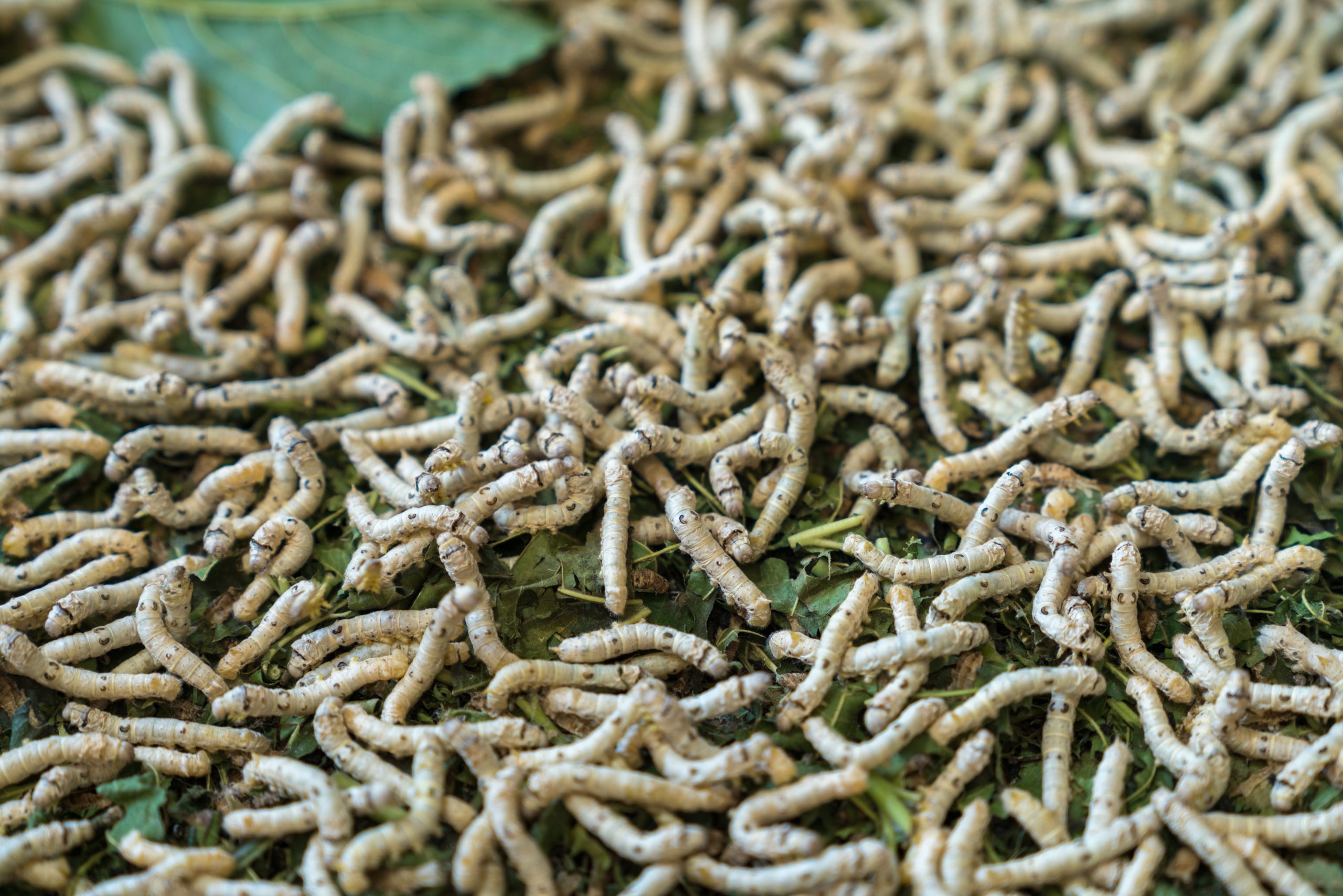
New World screwworm is not a normal pet-health nuisance. The flies lay eggs in open wounds or mucous membranes of mammals. The larvae can hatch within hours and burrow into living tissue. That makes fast recognition, treatment and wound care essential.
The FDA authorisation adds a generic over-the-counter option to the response. Nitenpyram can kill most screwworm larvae within hours of the first dose, but it does not prevent reinfestation. FDA also notes that a veterinary professional may still need to remove remaining larvae and manage wound care.
That detail matters. Preparedness does not end with a product on a shelf. Pet owners need to know when risk is real, when to treat, when to seek veterinary care and how to avoid reinfestation. Public authorities need the bigger system around that: surveillance, animal movement control, communication and coordination with agriculture and border agencies.
For IPM, this is a clean One Health signal. Infectious disease readiness does not start only when humans enter hospital. It starts in the animal, the household, the wound, the farm and the local clinic. If those early points fail, the crisis becomes more expensive and harder to contain.
