IPM Take
Food safety is often judged by the size of an outbreak. That is a poor measure when the infection involved can cause kidney failure.
The latest US raw-milk cheese investigation has only 13 confirmed cases so far, but eight patients have been hospitalised and three developed haemolytic uraemic syndrome. The response therefore needs to be proportionate to severity, not just the headline case count.
Executive Summary
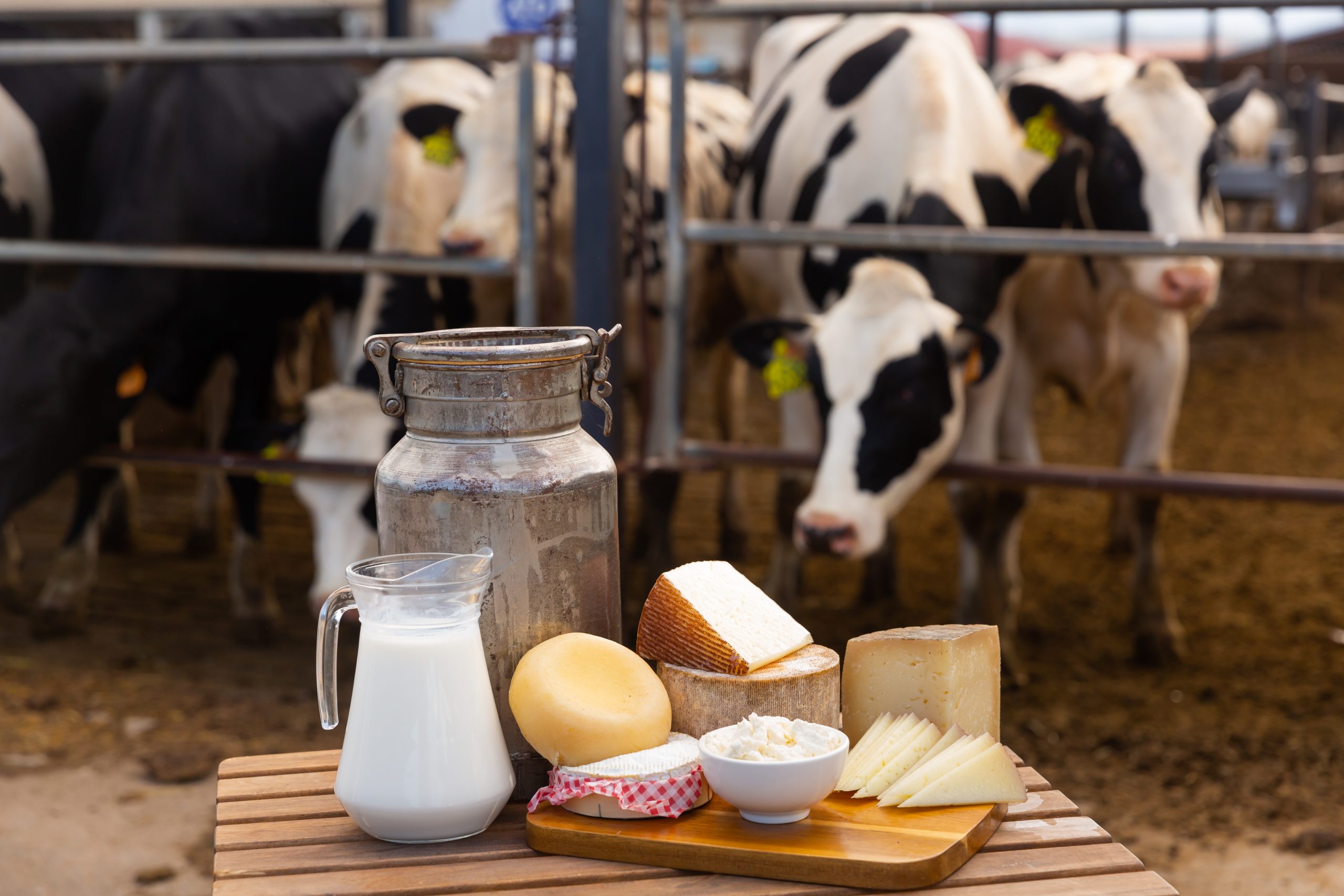
FDA and CDC are investigating a multistate outbreak of Shiga toxin-producing E. coli O26 linked to Sierra Nevada Graziers grass-fed raw-milk cheese.
Thirteen illnesses have been reported across nine states. Eight patients have been hospitalised, three developed haemolytic uraemic syndrome, and no deaths have been reported.
Among nine patients interviewed, all reported consuming the implicated raw-milk cheese. On 24 September, FDA contacted the manufacturer and recommended a recall. The company subsequently recalled all Sierra Nevada Graziers Raw Milk Cheeses, including medium cheddar, sharp cheddar, jalapeño jack and Monterey jack products.
Why it matters
- Regulators: Food-safety action needs to reflect disease severity and distribution, not wait for a large case count before escalating.
- Manufacturers and retailers: Traceability must identify affected products quickly across package sizes, varieties and national distribution channels.
- Consumers: Raw-milk products can carry pathogens without visible evidence of contamination, making risk communication and recall compliance essential.
Thirteen infections might ordinarily struggle for national attention in a country of more than 300 million people. Eight hospitalisations and three cases of haemolytic uraemic syndrome change the calculation.
The outbreak linked to Sierra Nevada Graziers raw-milk cheese is a reminder that epidemiological significance cannot be reduced to case count alone. Shiga toxin-producing E. coli can cause severe gastrointestinal illness and, in some patients, a complication capable of damaging the kidneys and requiring intensive medical care. The consequences can therefore become serious long before an outbreak becomes numerically large.
The evidence available to investigators is unusually concentrated. All nine patients interviewed about food exposure reported eating the implicated cheese. FDA contacted the company on 24 September and recommended a recall, after which the manufacturer recalled multiple varieties of its raw-milk cheese distributed nationwide.
The immediate regulatory task is conventional but demanding: identify potentially contaminated lots, trace where they travelled, remove them from sale, warn consumers and continue investigating whether additional products or distribution channels are involved. The less comfortable issue is the risk model surrounding unpasteurised dairy itself.
Pasteurisation exists because milk can contain pathogens that do not announce their presence through smell, appearance or taste. Raw-milk products are nevertheless legally available in parts of the United States under differing regulatory frameworks, reflecting a long-running tension between consumer choice, local food production and public-health protection.
An outbreak does not resolve that argument by itself. Not every raw-milk product is contaminated, and the current investigation concerns a specific manufacturer and specific products. Public communication should remain precise enough to avoid turning a targeted recall into a claim that every cheese produced using the same method is part of the outbreak.
But precision should not become euphemism. When a product category carries a recognised microbial risk, consumers need information that allows them to understand the trade-off they are making. “Natural” and “traditional” are descriptions of production choices, not microbiological safety standards.
The clinical severity also makes traceback especially important. A product distributed nationally can create cases that appear sporadic until sequencing and epidemiology connect them. That is where modern foodborne surveillance earns its value: illnesses in different states can be identified as part of the same event before traditional investigation would necessarily reveal the link.
The current outbreak remains under investigation, and the total may change. What does not require further evidence is the basic implementation lesson.
A recall is not an admission that food regulation failed. It is one of the mechanisms designed to contain failure after contamination occurs.
The real measure is how quickly the system finds the signal, connects the cases and gets the product out of refrigerators before thirteen becomes thirteen hundred.
