
IPM Take
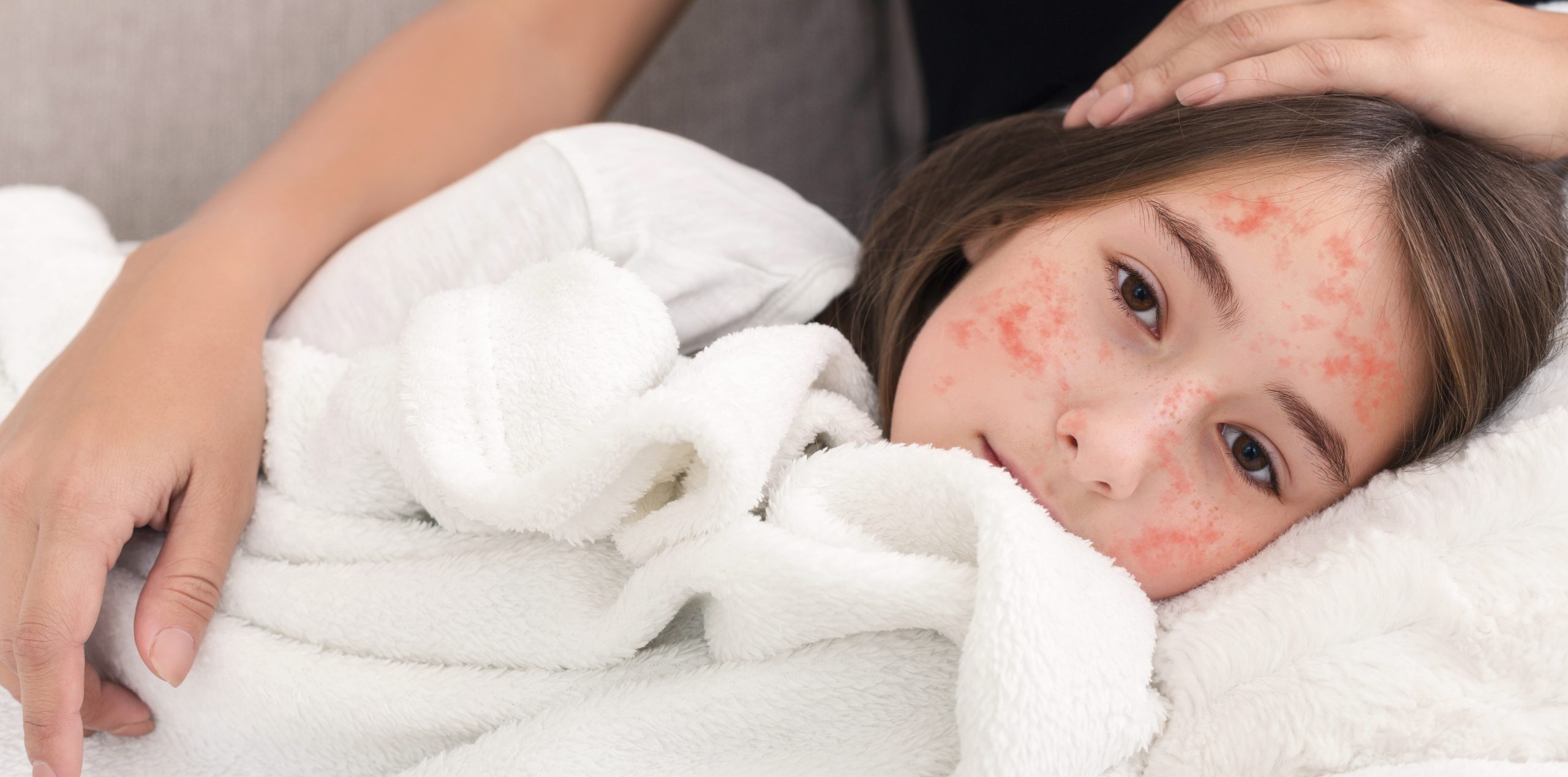
This is the story that should end vaccine complacency. Measles is not harmless, not historical and not someone else’s problem. When children die in a country with a long-established vaccination programme, the issue is no longer scientific uncertainty. It is trust, access, follow-up and missed protection. The political question is whether immunisation systems can reach children before the virus does.
Executive Summary
UKHSA reported 736 laboratory-confirmed measles cases in England between 1 January and 8 June 2026, including 106 additional cases since the previous update. UKHSA also confirmed two measles deaths in children in England in 2026. Measles activity increased earlier this year, mainly because of outbreaks in London and the West Midlands, with most cases occurring in unvaccinated children aged 10 years and under.
Why it matters
- Public authorities: Need to treat MMR coverage gaps as an urgent child-safety problem.
- Clinicians: Should use every contact to check vaccination status and support catch-up.
- Families: Need direct, non-patronising communication that measles can be fatal and vaccination remains the safest protection.
There is no soft way to frame this. Two children have died from measles in England in 2026. That should make the conversation harder, not more cautious.
The data show the problem clearly. Measles is still circulating in many parts of the country, and the latest update brings confirmed cases to 736 for the year so far. The most recent activity has been highest in London, the East of England and the West Midlands. Most cases are in unvaccinated children aged 10 years and under.
This is not a failure of scientific discovery. The vaccine exists. The schedule exists. The evidence exists. What is breaking down is delivery: children not reached, appointments missed, trust weakened, access not made easy enough and catch-up not moving fast enough.
The human perspective matters. Babies too young to be vaccinated and people who cannot receive the vaccine depend on others being protected. When vaccine coverage falls, the risk does not stay theoretical. It moves into homes, schools, clinics and hospitals.
For IPM, this is precision public health at its most basic. The right intervention is known. The exposed population is visible. The question is whether the system can identify who is missing protection and close the gap before another child pays the price.
