
IPM Take
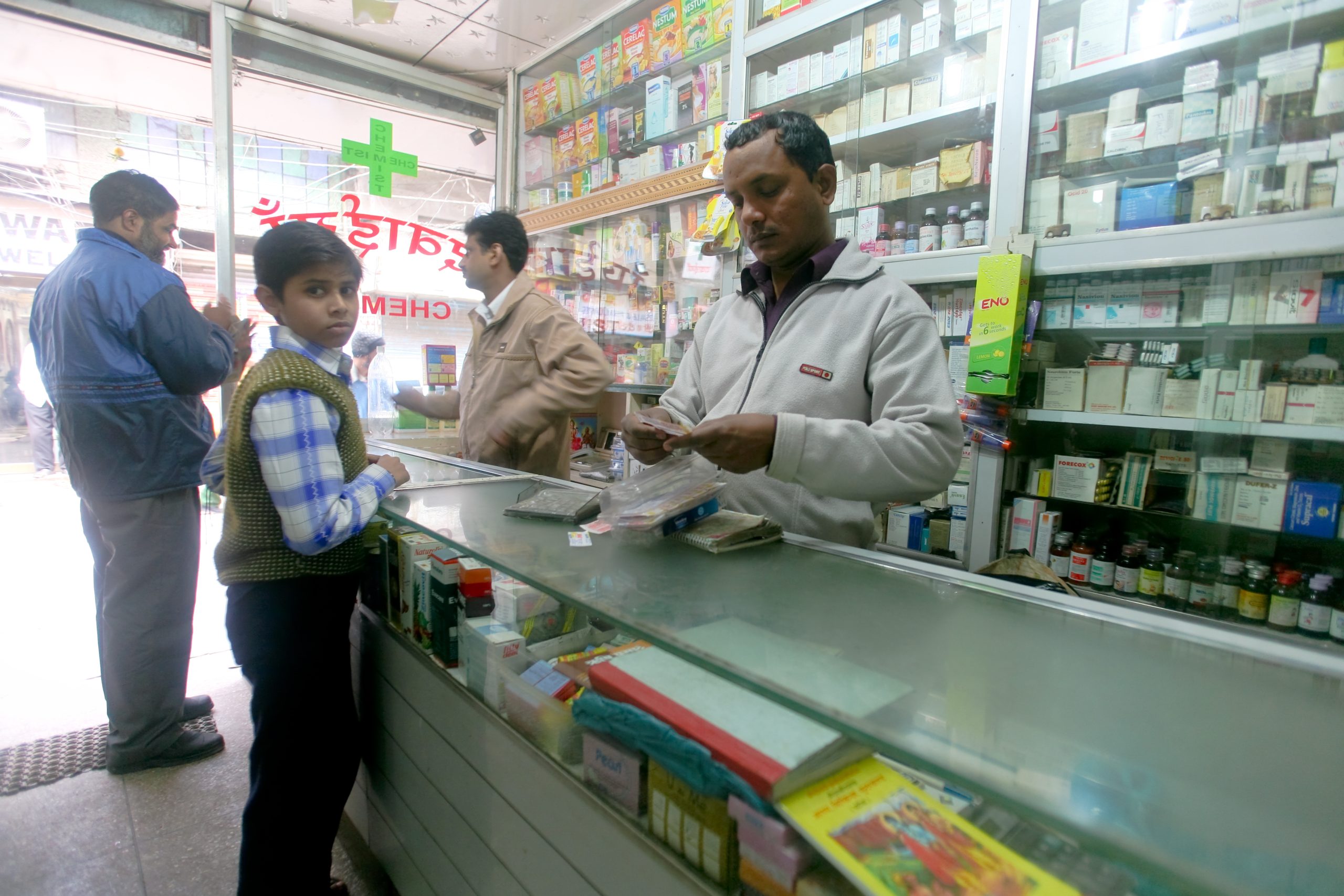
This is the oncology access story hiding in plain sight. Precision medicine can move fast, but cancer care still breaks if basic chemotherapy cannot be found. India’s price-cap revision is politically uncomfortable because it exposes a false choice: cheap medicines versus available medicines. Patients need both. Price controls protect affordability, but if production becomes economically impossible during raw-material shocks, the first people hurt are often those treated in public hospitals.
Executive Summary
India’s National Pharmaceutical Pricing Authority raised ceiling prices for the platinum-based cancer drugs cisplatin and carboplatin by 50% after shortages affected hospitals, especially government-run facilities. Reuters reported that the revision followed a government notification and was made under special provisions citing public interest. The ceiling price for cisplatin rose to 10.89 rupees per ml from 7.26 rupees, while carboplatin rose to 90.74 rupees per ml from 60.49 rupees, excluding taxes. The one-time revision will be reviewed after six months.
Why it matters
- Public authorities: Pricing policy must protect affordability without making supply collapse more likely.
- Hospitals: Shortages of platinum chemotherapy can disrupt treatment across several common cancers.
- Generic manufacturers: Raw-material shocks and capped prices can make essential oncology production unsustainable.
- Patients: A drug that is cheap but unavailable is not access. It is failure with a lower price tag.
Cancer access usually makes headlines when a new therapy is too expensive. India’s cisplatin and carboplatin shortage tells a different story: what happens when older, essential, lower-cost drugs become hard to supply.
These are not marginal medicines. Cisplatin and carboplatin sit inside treatment pathways for lung, ovarian, bladder and other cancers. In many settings, they remain part of first-line, curative-intent or disease-controlling care. When they run short, the effect is immediate. Treatment is delayed. Clinicians search for substitutes. Families are pushed into panic procurement. Public hospitals feel the strain first.
The policy tension is sharp. India caps prices to keep medicines affordable. But Reuters reported that rising platinum costs and supply pressures had made production harder for manufacturers. Some companies had reduced or halted output because they could not absorb the higher input costs under existing price ceilings.
The 50% ceiling-price increase is therefore not a simple price hike. It is an emergency attempt to keep essential medicines available. That distinction matters. Affordability without availability is not patient protection. Availability without affordability is not access either.
For IPM, this is a useful corrective to innovation-heavy oncology debates. Access is not only about the latest targeted therapy. It is also about protecting the floor of cancer care. If the system cannot secure basic chemotherapy, the rest of the oncology promise becomes fragile.
