
IPM Take
This is the article that should not be written as a routine vaccine-eligibility update. Hepatitis A is spreading in a province where some remote communities still face inadequate sewage and water infrastructure. That is the political story. A vaccine can prevent infection, but it should not be treated as a substitute for safe water, sanitation and basic living conditions. When outbreak control depends on compensating for infrastructure failure, public health is already late.
Executive Summary
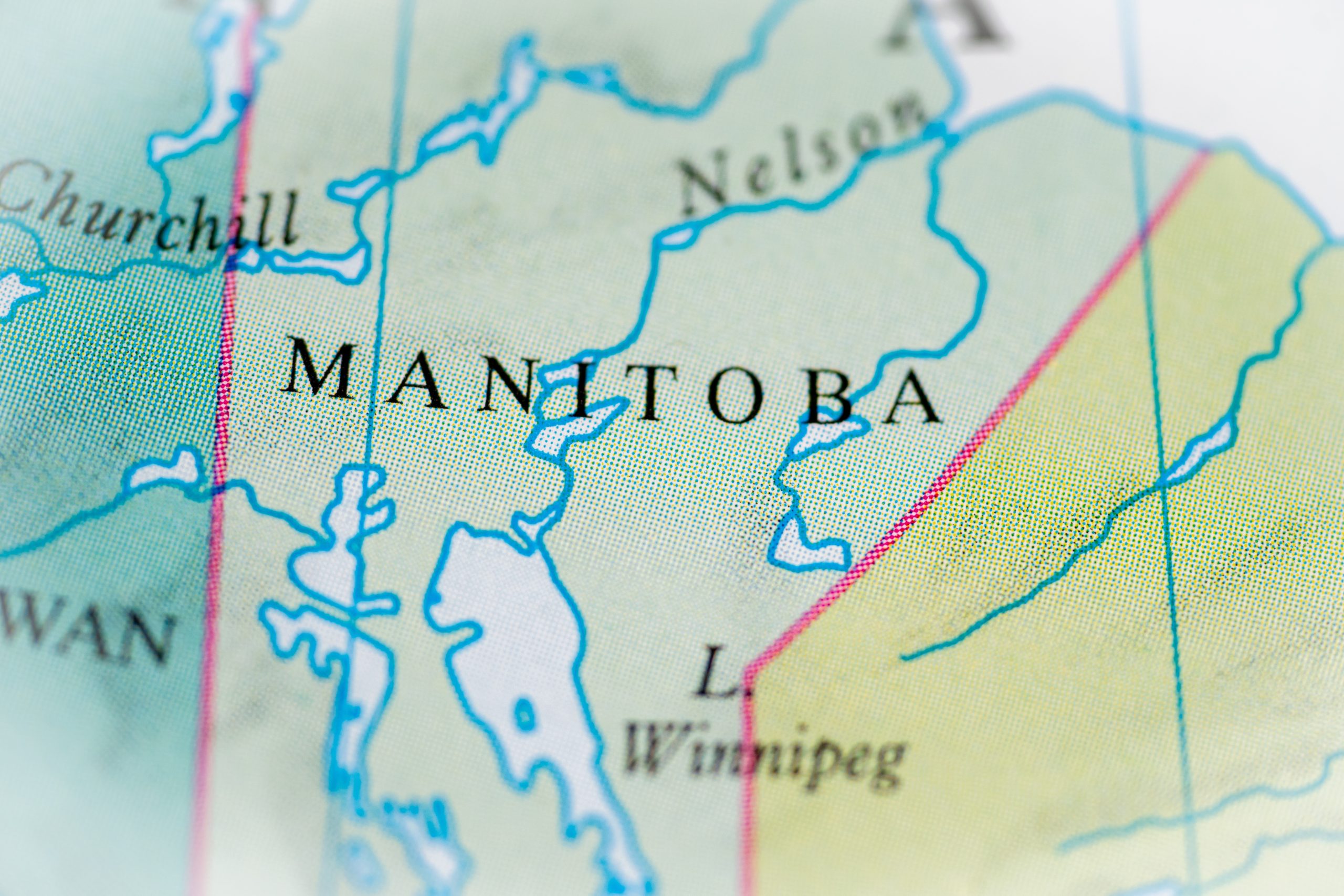
Manitoba Health, Seniors and Long-Term Care announced updated eligibility for free hepatitis A vaccination in response to an ongoing outbreak declared in April 2025. The outbreak began in several northern communities and has expanded to communities across Manitoba, with increasing cases in Winnipeg, particularly among people experiencing homelessness and those connected to outbreak communities. As of 4 June, Manitoba reported 784 hepatitis A cases since September 2024, 165 hospitalisations, eight ICU admissions and four deaths. The province also stated that inadequate sewage and water infrastructure in some remote communities has contributed to ongoing transmission.
Why it matters
- Public authorities: Need to treat hepatitis A vaccination as emergency protection, not a substitute for water and sanitation investment.
- Communities: Need outbreak control that recognises housing, water, sewage and mobility realities, not only individual behaviour.
- Clinicians: Should support early recognition, vaccination access and follow-up for people at elevated risk.
A vaccine can stop hepatitis A. It cannot build a sewage system.
That is why Manitoba’s 18 June update matters. The province has expanded free hepatitis A vaccine eligibility as an outbreak continues across northern communities, First Nations communities, Winnipeg networks, correctional settings and groups experiencing homelessness or other risk factors.
The numbers are heavy: 784 cases since September 2024, 165 hospitalisations, eight ICU admissions and four deaths. But the sentence that matters most is the one about infrastructure. Manitoba states that inadequate sewage and water infrastructure in some remote communities has contributed to ongoing transmission.
That changes the story. This is not just about whether people washed their hands or booked a vaccine appointment. Hepatitis A can spread through contaminated water, food and close contact, including from people without symptoms. In communities where water and sewage systems are failing, prevention becomes harder before anyone reaches a clinic.
The expanded eligibility is necessary. Children born on or after 1 January 2010 who are at least six months old are eligible for two doses if they live in Indigenous communities, regularly travel to those communities or have household visitors from them. Several communities remain eligible under outbreak criteria, as do staff and volunteers serving people experiencing homelessness and inmates of correctional facilities.
For IPM, this is precision public health with a hard edge. The system has identified risk groups and opened vaccine access. But the deeper lesson is uncomfortable: infectious disease control cannot keep asking vaccines to clean up what infrastructure policy leaves behind.
