
IPM Take
Quarantine is not just a public-health tool. It is a restriction of liberty. That means the burden of explanation is high. If a person is held away from home after expert review suggests home monitoring may be reasonable, the system must be able to justify the decision clearly, support the person humanely and show that the restriction is proportionate. Otherwise, preparedness starts to look like power without trust.
Executive Summary
AP and Reuters reported that U.S. Health Secretary Robert F. Kennedy Jr. refused to release Angela Perryman, a cruise passenger exposed to Andes hantavirus, from a Nebraska quarantine facility despite a federal medical review recommending that she could complete monitoring at home in Florida. The case followed an Andes virus outbreak linked to the MV Hondius cruise ship. CDC has described a 42-day monitoring period for potentially exposed people and said the overall public risk remained extremely low, with no confirmed U.S. cases linked to the outbreak at the time of its situation update.
Why it matters
- Public authorities: Need quarantine decisions that are evidence-based, proportionate and legally defensible.
- Patients / travellers: Need transparent communication and humane support when public-health restrictions affect their freedom.
- Civil society: Should watch how emergency powers are used when science, law and politics collide.
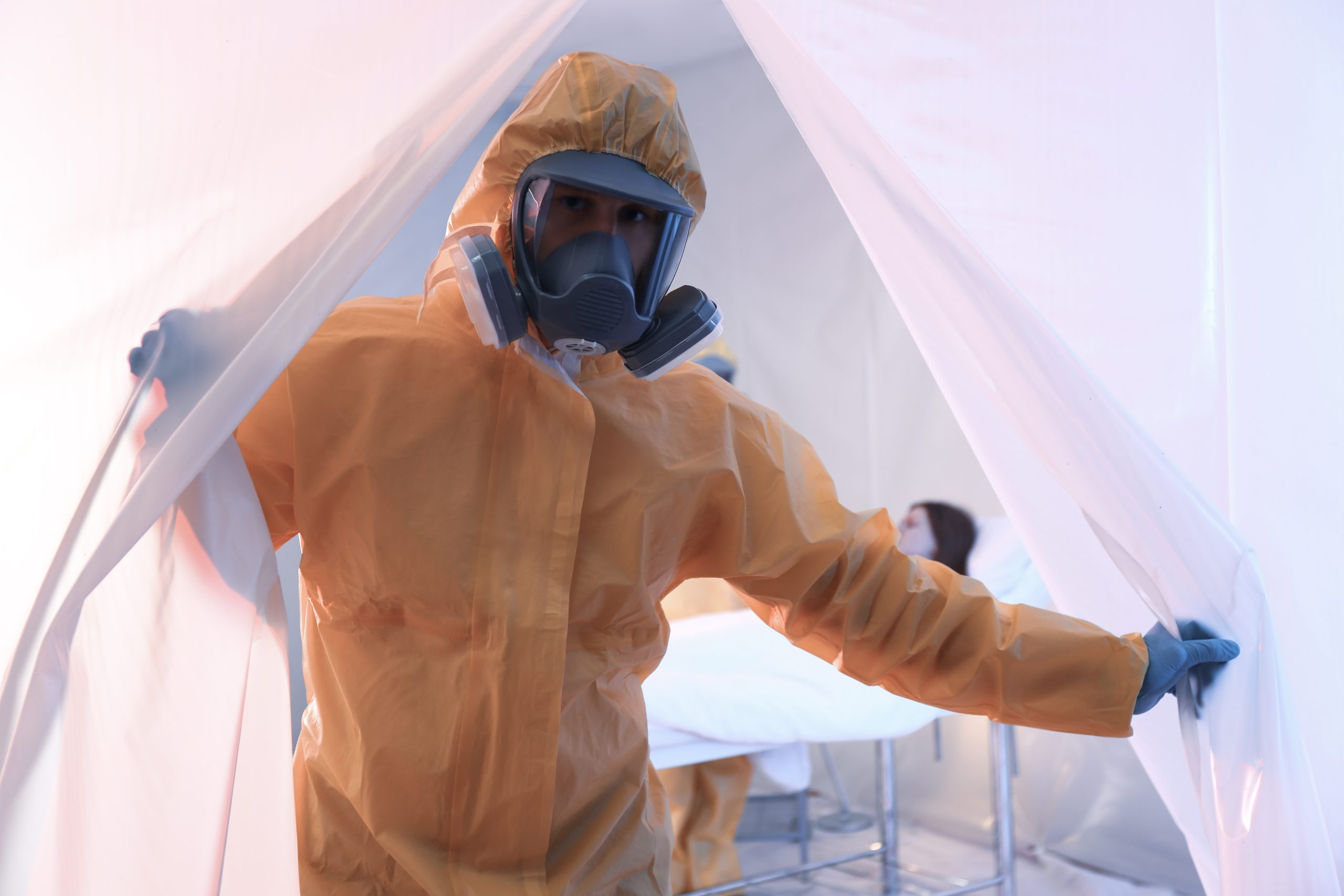
A quarantine room can be a public-health safeguard. It can also feel like a cell.
That tension is now the story. Angela Perryman was among Americans monitored after potential exposure to Andes virus during the MV Hondius cruise outbreak. According to AP, she remained symptom-free for more than five weeks, while a federal medical review found there was no need to confine her far from her Florida home. Kennedy nevertheless ordered her to remain in Nebraska after Florida declined to meet federal monitoring conditions.
This is where infectious disease control moves beyond virology. Andes virus can be severe, and rare person-to-person transmission has been described. But risk management is never only about the pathogen. It is also about proportionality: how much restriction is justified, for how long, under what review process and with what support for the person affected.
The human detail matters. Perryman described wanting fresh air, ordinary food and contact with people not dressed in protective equipment. That is not sentimental. It is the lived experience of a public-health order.
For IPM, this is patient navigation under coercive conditions. If quarantine is necessary, it must still function as a care pathway: clear explanation, mental-health support, legal review, symptom monitoring, safe transition home and transparent criteria for release. Trust is not optional here. It is part of the intervention.
