
ECP 2026 Side Policy Session: Pathology, AI and Advanced Diagnostics for Precision Medicine Access
A side meeting alongside ECP 2026 on the system conditions that turn pathology innovation into routine patient benefit. It examines trustworthy AI, liquid biopsy and advanced molecular diagnostics, from validation and laboratory readiness to reimbursement, clinical reporting and timely action.
Event details
Event type
Congress-Side Session
Format
2.5-hour congress-side policy and implementation session, structured around two connected expert panels.
Audience
Pathologists, oncologists, molecular diagnostics and laboratory leaders, AI and digital-health experts, regulators, HTA and payer representatives, patient organisations, health-system leaders, researchers, and responsible industry partners.

Why this event matters
Precision medicine increasingly depends on pathology capacity. Biomarker-driven treatment, companion diagnostics, liquid biopsy, molecular tumour boards, digital pathology and AI-enabled tools can improve care only when systems are able to identify, test, report, reimburse and act in time.
Yet patients can still be left behind by fragmented diagnostic pathways, uneven laboratory infrastructure, inconsistent validation, unclear accountability, limited reimbursement and slow clinical adoption. This ECP 2026 side meeting adds the policy and implementation layer to the scientific congress programme: what Europe must put in place so that digital pathology, AI and advanced molecular diagnostics become routine, quality-assured and equitable patient benefit.
Strategic frame
Pathology is the access infrastructure of precision medicine. Eligibility for a targeted therapy, a clinical trial, a monitoring strategy or multidisciplinary review often begins with a reliable pathology result. Readiness therefore depends on a connected system: validated tests, robust pre-analytics, quality-assured digital infrastructure, laboratory accreditation, bioinformatics capacity, clinical reporting, reimbursement, multidisciplinary interpretation, a prepared workforce and patient-centred access pathways.
The programme is organised in two linked sessions. The first examines the conditions for trustworthy digital pathology and AI foundation models. The second focuses on how tissue pathology, liquid biopsy, next-generation sequencing, imaging and clinical data can operate as one actionable precision oncology pathway.
Core question
When science makes a patient eligible for precision medicine, is the pathology system ready to identify, test, report, reimburse and act in time?
Agenda snapshot
13:00-14:15 | Trustworthy Digital Pathology and AI Foundation Models
From Technical Performance to Diagnostic Confidence, Patient Safety and Access
A policy and implementation discussion on multicentre validation, robust image pipelines, quality assurance, clinical accountability, reimbursement, workforce readiness, post-market monitoring and equity in AI-enabled pathology.
14:15-15:30 | Liquid Biopsy and Advanced Molecular Diagnostics
Building the Diagnostic Backbone of Precision Oncology, from Test Availability to Acted-On Results
A discussion on integrating tissue pathology, liquid biopsy, next-generation sequencing, imaging and clinical data, with attention to assay validation, laboratory networks, molecular tumour boards, reimbursement and timely clinical action.
Tracks, labs or working groups
Trustworthy Digital Pathology and AI Foundation Models
From technical performance to diagnostic confidence, patient safety and access. This session examines the conditions needed for AI-enabled pathology to be validated, robust, quality-assured, accountable, reimbursable and equitable across different laboratory settings.
Expected output:
Contribution to the Stockholm Pathology Readiness Brief: a European roadmap for trustworthy AI-enabled pathology.
Liquid Biopsy and Advanced Molecular Diagnostics
Building the diagnostic backbone of precision oncology. This session examines how tissue pathology, liquid biopsy, next-generation sequencing, imaging and clinical data can operate as one clinically meaningful, reimbursed and actionable diagnostic pathway.
Expected output:
Contribution to the Stockholm Pathology Readiness Brief: an advanced diagnostics implementation framework for precision oncology.
People and contributors

Denis Horgan
Expected outputs
This activity is designed to produce practical outputs that can support follow-up after the meeting. Depending on the format, outputs may include a public statement, implementation brief, consensus note, pathway prototype, readiness map, roadmap or stakeholder summary.
Stockholm Pathology Readiness Brief
Related content

AI Pathology Moves From Demo to Workflow
England’s Cancer Plan Turns Personalised Care Into a National Delivery Test

AI Pathology Starts Moving Toward Treatment Selection

WHA 2026: WHO resolution moves precision medicine onto the global health policy agenda

IPM Brief – Issue 1 | The Last Mile Starts Here

IPM Brief – Issue 8 | The Trial Is Now a Border
Liquid Biopsy Turns Precision Oncology Into an NHS Delivery Test
Breast Cancer Blood Tests Could Bring Treatment Decisions Earlier

IPM Brief – Issue 2 | The Gatekeepers Are Moving
Biomarker Testing Is Rising, But Eligibility Still Gets Lost
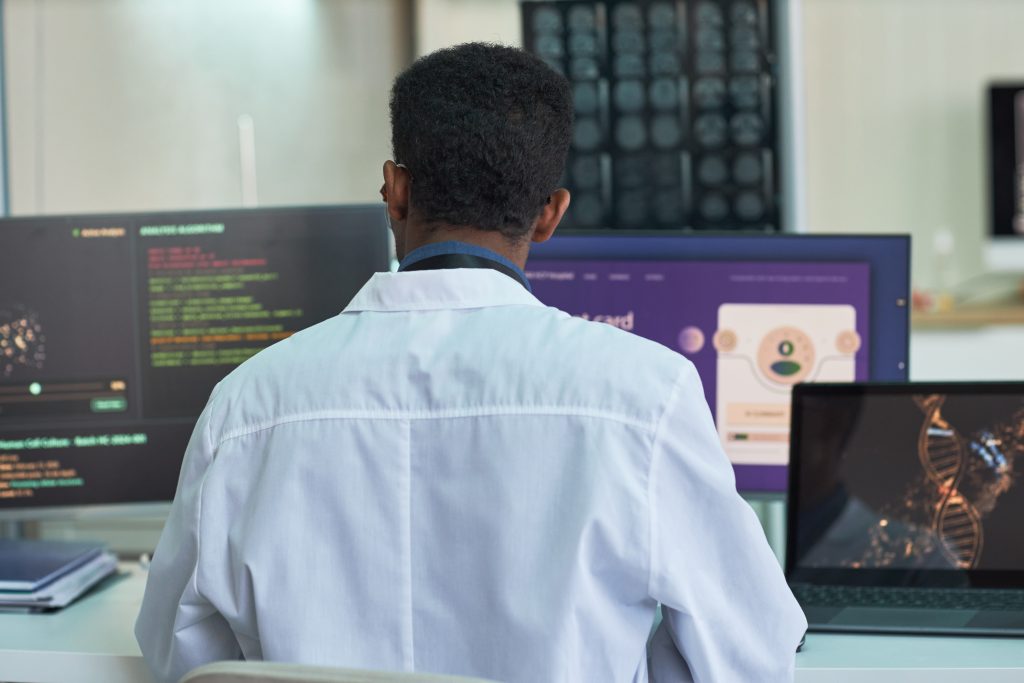
Cancer Sequencing Becomes the Operating System of Precision Oncology

G7 Cancer Call and WHA Precision Medicine Resolution: A Moment to Turn Ambition Into Delivery
Join us at ECP 2026 Pathology Policy Session
12 September 2026 | 20:00 - 21:00
Stockholmsmässan, Stockholm, Sweden • Europe
Interested in this event?
IPM Alliance welcomes engagement from policymakers, scientific experts, patient organisations, health-system leaders, industry partners and implementation actors.