IPM Take
El Salvador has earned the milestone. It now has to protect it.
Elimination does not mean the bacterium has vanished forever. It means transmission and disease have fallen below defined public-health thresholds and the country can detect and manage new cases. The certificate recognises a system. Sustaining the system is the next obligation.
Executive Summary
WHO validated El Salvador as having eliminated trachoma as a public-health problem, making it the first country in Central America and the second in the Americas to reach the milestone. Targeted assessments conducted between 2023 and 2026 found no evidence of active transmission in prioritised communities. WHO also assessed the country’s capacity to detect, investigate and manage future cases.
Why it matters
- Public authorities: Need to maintain surveillance and WASH investment after validation rather than treating elimination as a completed project.
- Clinicians: Need continuing capacity to identify and manage trichiasis and other eye disease through the national health system.
- Patients / advocates: Need remote and impoverished communities to remain visible in routine eye care, not only during elimination assessments.
Elimination is not the absence of work. It is the result of work becoming reliable enough that disease no longer controls the outcome.
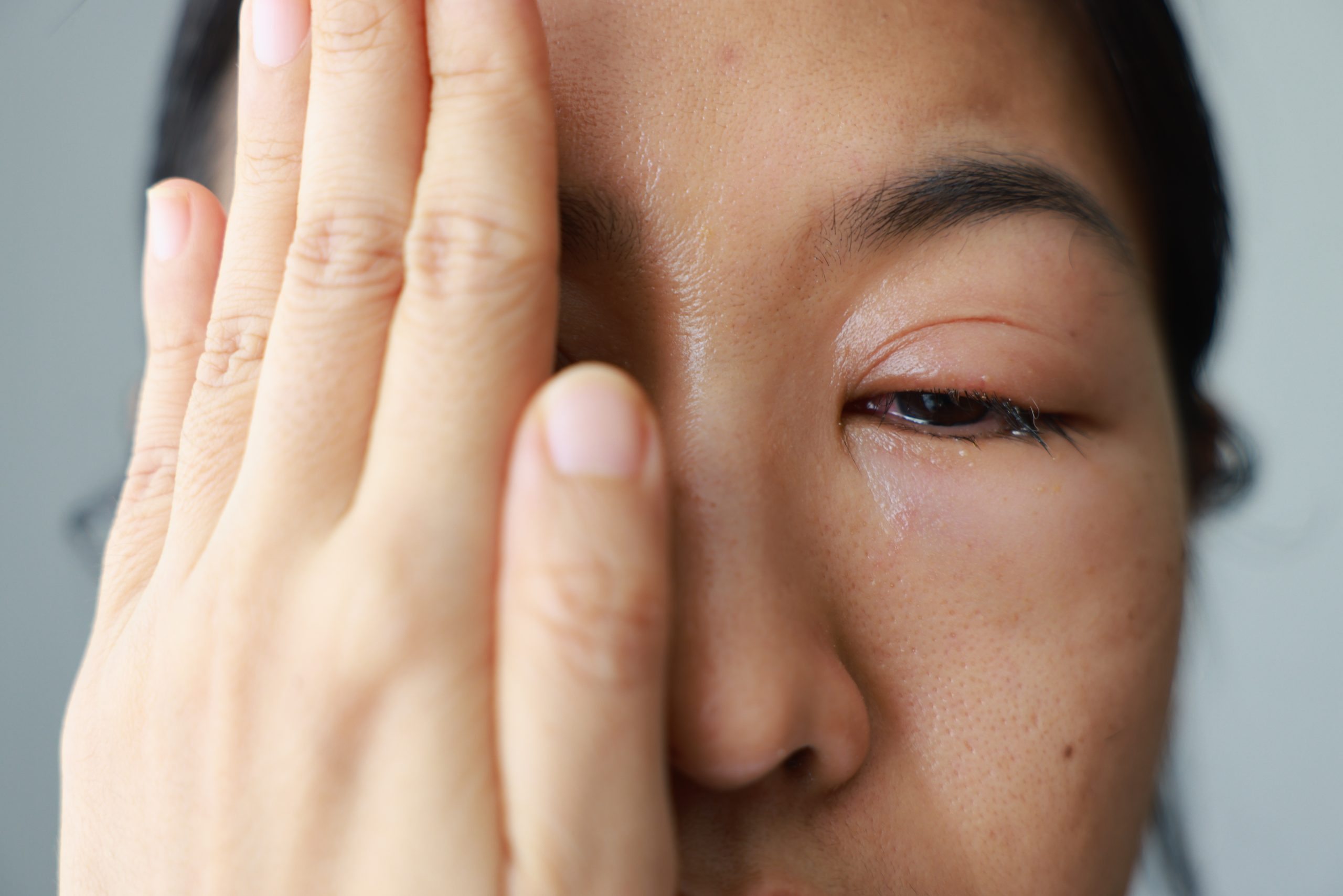
WHO has validated El Salvador as having eliminated trachoma as a public-health problem. It is the first country in Central America to reach that point and only the second in the Americas. The milestone deserves recognition because trachoma is not merely an eye infection. Repeated infection can scar the eyelid, turn eyelashes inward and cause irreversible blindness, overwhelmingly in communities already carrying the burden of poverty and weak access to basic services.
The validation was evidence-led. Between 2023 and 2026, El Salvador conducted targeted assessments in communities selected because environmental and social conditions suggested higher risk. The surveys found no active transmission, no signs of disease in children and no advanced adult cases capable of causing blindness.
But WHO did not assess prevalence alone. It also examined whether the health system could detect, investigate and respond to future cases. El Salvador trained health personnel, integrated surveillance and maintained the ability to identify and manage trichiasis. That distinction matters. Elimination is not a declaration that risk has disappeared. It is a judgement that the burden is below defined thresholds and that the system can stop isolated cases from becoming a neglected problem again.
The route to validation was deliberately broader than eye care. Primary healthcare, visual screening, water, sanitation and hygiene improvements, community engagement and cooperation across government sectors all contributed. Trachoma thrives where facial cleanliness, water access and timely care are constrained. A purely clinical programme would have treated consequences while leaving the conditions of transmission intact.
This is also why the achievement should not be depoliticised. Neglected tropical diseases are concentrated where public services are weakest and political visibility is lowest. Elimination means choosing to measure disease in communities that national averages can overlook, then continuing to invest after the prevalence falls.
The regional picture remains unfinished. Trachoma is still a public-health problem in rural and remote areas of Brazil, Colombia, Guatemala and Peru, while other countries continue to clarify their epidemiological status. El Salvador’s validation demonstrates that targeted investigation and integrated delivery are possible. It does not remove the need for regional financing, shared learning and attention to border and remote populations.
WHO recommends continued surveillance and access to quality eye care. That advice should be treated as part of the achievement, not an administrative note beneath it. The easiest moment for a disease to return to neglect is after a country has been congratulated for eliminating it.
For IPM, El Salvador offers a practical definition of readiness: evidence strong enough to know the disease is controlled, services capable of finding the next case and political commitment that survives the certificate.
