IPM Take
An Ebola response cannot claim to be ahead of transmission when the virus is finding patients before the health system does.
The DRC now has treatment centres, laboratories, contact tracers, international partners and decades of Ebola experience. Yet WHO says fewer than one quarter of confirmed cases had previously been identified as contacts, while the source of infection remains unknown for more than half. Those are not marginal surveillance gaps. They are the space in which an outbreak keeps growing.
Executive Summary
WHO reported on 15 August that the Bundibugyo Ebola outbreak had infected more than 4,500 people and killed over 2,000 across five provinces. Ituri remains the epicentre, with transmission continuing in North Kivu and Haut-Uélé. In the latest reporting period, two thirds of deaths occurred in communities. Treatment facilities are saturated in some hotspots, some health zones lack ambulances, and shortages of health workers are slowing alert investigation, patient referral and contact follow-up. There is currently no licensed vaccine or specific licensed treatment for Bundibugyo virus.
Why it matters
- Public authorities: Community deaths should be treated as a performance indicator for the response, not simply another epidemiological statistic.
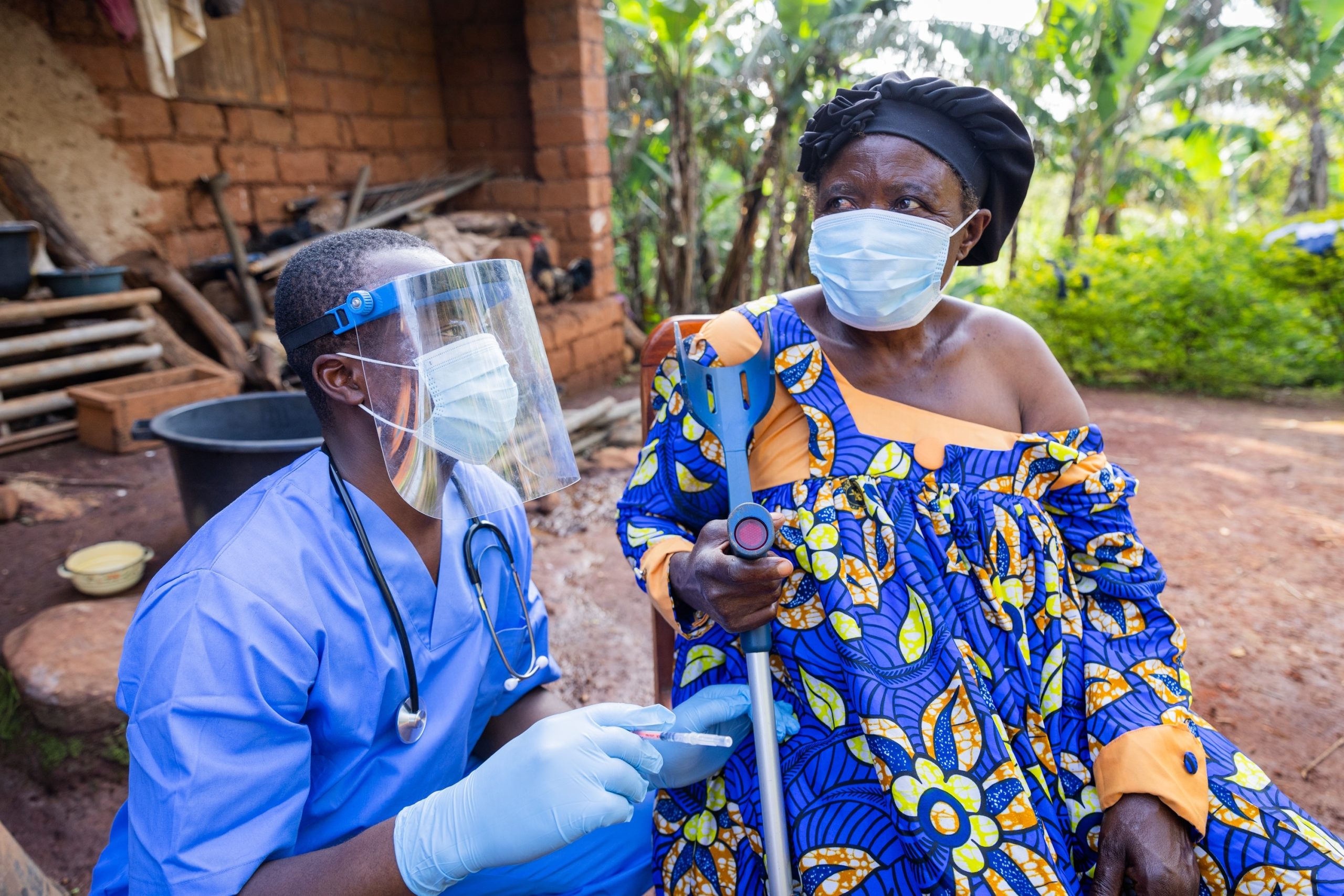
- Hospitals and clinicians: Earlier referral depends on functioning ambulances, trained staff, isolation capacity and confidence that suspected cases will actually reach care.
- Communities: Surveillance cannot work when insecurity, displacement or distrust keep cases outside formal systems.
Ebola control is often described in technical language: contacts traced, alerts investigated, samples tested, beds opened.
The harder measure is simpler.
Did the health system find the person before the virus moved on?
In the DRC, the answer is too often no.
WHO says two thirds of deaths in the latest reporting period occurred in communities. Fewer than one in four confirmed cases had already been recognised as contacts. For more than half, investigators still do not know the source of infection. That means transmission chains are being reconstructed backwards, after illness and death have already revealed them.
This is where outbreak control becomes a governance issue rather than a laboratory issue.
Some hotspots have saturated treatment capacity. Some affected health zones lack ambulances. Insecurity and displacement are restricting access. Mining and population mobility are making tracing harder. Staff shortages are delaying investigations, referrals and contact follow-up.
None of those problems can be solved by issuing another technical guideline.
They require resources close enough to communities to matter: transport, trained responders, decentralised diagnostics, protected healthcare workers, local intelligence and trusted communication. A surveillance system is only as good as its ability to convert an alert into action.
The Bundibugyo strain makes that operational discipline even more important. Unlike Zaire ebolavirus, there is no licensed vaccine or specific licensed treatment for the virus driving this outbreak. Control therefore depends heavily on the fundamentals: identifying cases quickly, isolating them, tracing contacts, providing supportive care, preventing healthcare-associated transmission, managing burials safely and working with communities.
The DRC knows Ebola. WHO knows Ebola. International partners know Ebola.
That makes the current numbers harder, not easier, to dismiss.
Experience only counts when it shortens the distance between infection and action.
