
Cardiology

Military recruits appear to face far more sudden cardiac death than athletes. Screening still depends on the country
The first international statement on cardiac evaluation in the armed forces argues that new recruits may need structured cardiovascular screening, including a health questionnaire, physical examination and resting ECG. Available data suggest sudden cardiac death may be substantially more common among military recruits than among young athletes, yet screening practices remain inconsistent across countries.
Resistant hypertension may need a diagnostic revolution, not just another drug

Heart pumps save lives. FDA’s latest Impella alerts show why cardiac device safety cannot stop at approval.

Gene therapy is entering cardiology. Friedreich ataxia shows why rare heart disease may be the first test

Europe’s next stroke bet: can Factor XIa inhibition change prevention without raising bleeding risk?

ESC Cardio-Oncology 2026: Cancer therapy is getting smarter. Cardiac protection is still playing catch-up.
Cardio-oncology demand is rising, but training gaps are holding systems back

Personalised cardiology cannot succeed if women’s hearts still follow men’s pathways
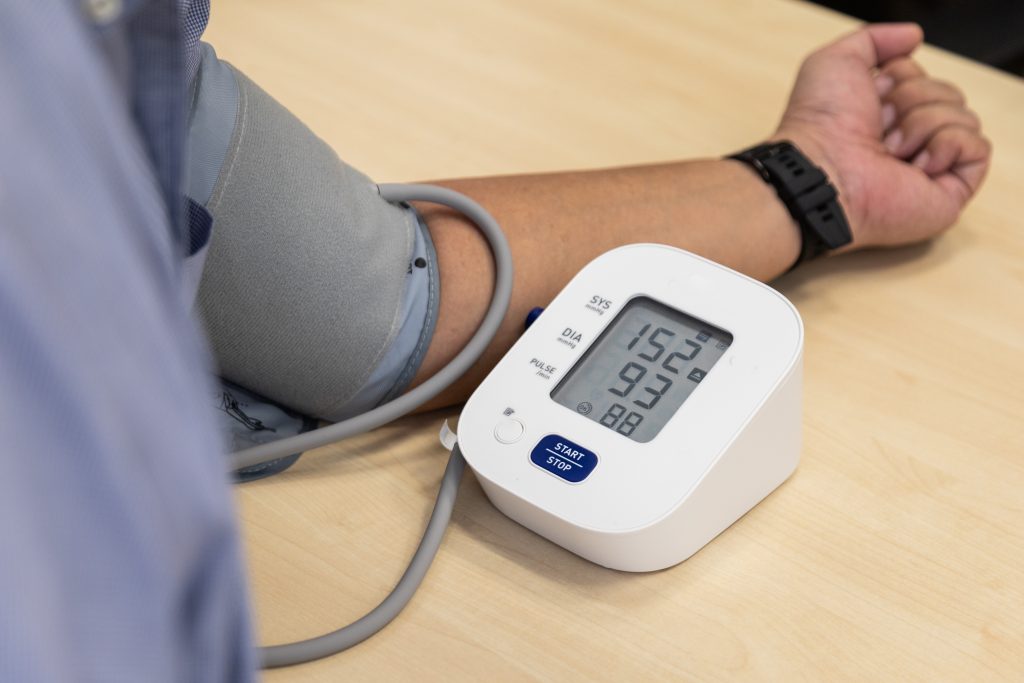
AstraZeneca’s Baxfendy opens a new front in uncontrolled hypertension, but monitoring will decide who benefits

Precision cardiology is becoming the new oncology. Policy and reimbursement must catch up
Free IPM Alliance Newsletter
Insights on science, policy and access in personalised medicine.