IPM Take
An outbreak cannot be traced if patients are not diagnosed and exposures are not connected.
The response is being squeezed from both ends. Health authorities have not identified the contaminated grower, supplier or product, while clinicians have been warned that routine ova-and-parasite testing may not include Cyclospora. Traceback depends on laboratory recognition, rapid reporting and food-distribution data working as one system. Right now, the gaps are multiplying faster than the answers.
Executive Summary
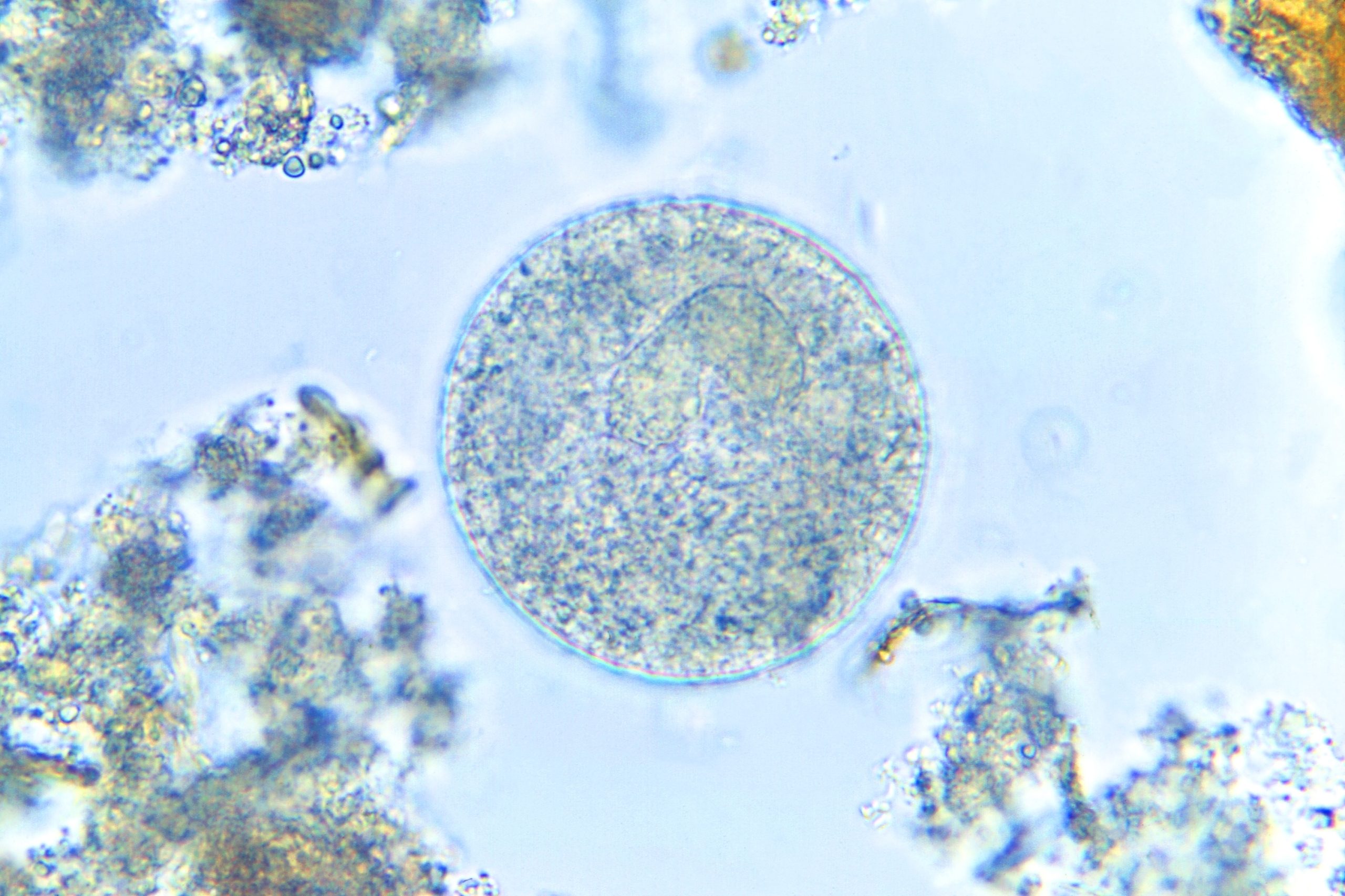
A Michigan provider bulletin dated reported 784 cases since 22 June, concentrated in several southeast Michigan counties, with no specific produce grower or supplier identified. On 8 July, the Ohio Department of Health warned residents and clinicians after reporting 177 cases as of 2 July, including 28 hospitalisations. By 9 July, the Associated Press reported more than 1,000 cases across Michigan and Ohio and investigations in 28 other states. Michigan warned clinicians to request testing that specifically targets Cyclospora because standard ova-and-parasite orders may omit it.
Why it matters
- Public authorities: Need faster integration of patient interviews, laboratory reports and food-distribution records across state lines.
- Clinicians and laboratories: Need explicit Cyclospora testing, prompt notification and awareness that untreated illness can persist or relapse.
- Food industry: Needs traceability systems capable of identifying common produce exposures before memory fades and products disappear from shelves.
The outbreak is large. The source is still invisible.
Michigan reported hundreds of cases within little more than two weeks. Ohio issued its own warning as cases and hospitalisations rose. By the following day, the combined public count had passed 1,000 and other states were investigating illnesses. Yet no grower, supplier or single product had been named.
That absence is not a neutral fact. Every day without a source weakens interviews, scatters purchasing records and increases the chance that a contaminated item moves through a complex fresh-produce network before investigators can reconstruct the route.
Cyclospora creates a particularly difficult governance problem. The illness can last for weeks and relapse if untreated. Symptoms may be mistaken for other gastrointestinal infections. Most importantly, Michigan told clinicians not to assume a standard ova-and-parasite order will detect the organism; the laboratory order must specifically target Cyclospora, and molecular methods may be more sensitive.
That means a diagnostic gap can become a surveillance gap. A patient who is not tested correctly does not become a confirmed case. A case that is not reported cannot be linked to a restaurant, shop or produce item. A missing link delays traceback for everyone.
The food system has its own accountability test. Fresh produce can cross farms, packers, distributors, retailers and state borders quickly. Traceability should be designed for the moment when certainty is missing, not only for routine inventory management. Public-health teams need usable purchase and shipment data before the product is gone and consumers can no longer remember what they ate.
Communication also has to stay disciplined. Authorities should give practical food-safety advice without implying that washing can eliminate every risk or naming a product before evidence supports it. Overconfident reassurance and speculative blame are equally damaging.
For IPM, this outbreak shows why precision public health is not only about sequencing or dashboards. It is the ability to connect the right test, the right patient history and the right supply-chain record quickly enough to stop a shared exposure.
