IPM Take
Narcolepsy is still too often treated as sleepiness with a schedule problem.
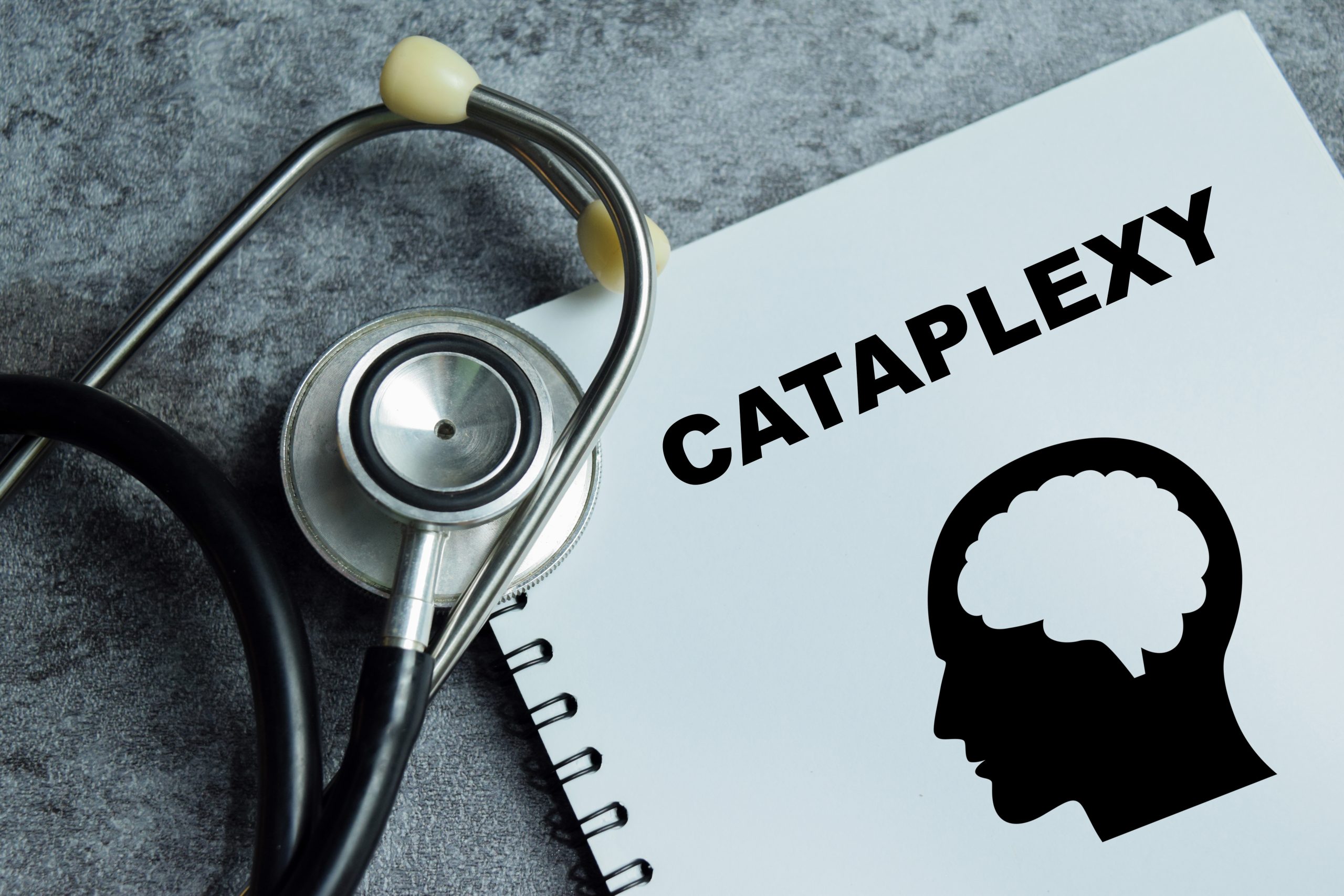
Cataplexy makes that framing collapse. A laugh, surprise or emotion can trigger sudden muscle weakness. A person can be awake, aware and unable to control what their body does. That is not inconvenience. It is vulnerability.
FDA acceptance of Axsome’s NDA for AXS-12 moves the programme into formal review. But the deeper problem remains: too many people with narcolepsy wait too long for diagnosis, specialist care and treatment pathways that take their daily risk seriously.
Executive Summary
Axsome Therapeutics announced that FDA accepted its New Drug Application for AXS-12, reboxetine, for the treatment of cataplexy in adults with narcolepsy.
FDA assigned a Prescription Drug User Fee Act target action date of 1 May 2027. The company said the application is supported by the Phase 3 SYMPHONY study and ENCORE extension study. Both evaluated AXS-12 in narcolepsy with cataplexy.
AXS-12 is an investigational, selective norepinephrine reuptake inhibitor. It has not been approved by FDA. The filing acceptance means the application is sufficiently complete for review; it does not mean FDA has concluded that the benefit-risk profile supports approval.
The regulatory review will be important, but so will implementation if approved: narcolepsy remains under-recognised, specialist pathways are uneven, and access to sleep-medicine care can be slow.
Why it matters
- Patients / advocates: Cataplexy can shape work, school, relationships, driving, safety and confidence in public spaces.
- Clinicians: A new option could matter, but diagnosis and referral remain bottlenecks long before treatment choice.
- Regulators: The review must test whether efficacy, safety and durability are strong enough for a chronic condition affecting daily function.
- Payers: Coverage rules will decide whether any approved therapy becomes a realistic option or another treatment delayed by step edits and access barriers.
Cataplexy is a loss of control that other people may never see coming.
A person can be talking, laughing or reacting to emotion, and suddenly the body gives way. Knees buckle. The head drops. Speech may become difficult. Awareness remains. Dignity does not always.
That is the lived reality behind a regulatory filing.
AXS-12 now has an FDA review clock. The company has submitted data from late-stage studies and is seeking approval for cataplexy associated with narcolepsy. For a condition where treatment can determine whether people feel safe working, studying, commuting or socialising, the review matters.
But a regulatory review does not solve the pathway.
Narcolepsy can take years to diagnose. Symptoms are misread as depression, laziness, poor sleep hygiene, anxiety or adolescent behaviour. Cataplexy may be missed if no one asks the right question. Even when diagnosis is made, access to specialists and appropriate medicines can depend on insurance, geography and prior-authorisation systems that do not understand the disorder’s daily impact.
This is where neuropsychiatry and neurology have to do better.
A new treatment, if approved, cannot be the whole policy response. The system also needs earlier recognition, clearer referral routes, better education for primary care and coverage decisions that recognise cataplexy as a safety and function issue.
The FDA clock is running. Patients have been waiting longer.
