
IPM Take
For years, brown fat has occupied an appealing corner of metabolic research: tissue that burns energy rather than storing it, improves glucose handling in animal models and appears more common in metabolically healthier people.
The problem has always been translation.
Cold exposure can activate brown fat, but deliberately keeping patients cold is not a realistic population therapy. Drugs that stimulate adrenergic pathways can activate it too, but cardiovascular side effects complicate the idea of using them to prevent cardiovascular disease.
A new Nature study brings the field closer to a different possibility.
By analysing more than 100,000 patient records and using machine learning to quantify brown-fat activity on PET-CT imaging, researchers found that people with detectable brown fat had lower prevalence of several cardiovascular and metabolic conditions, while greater brown-fat activity was associated with lower odds of type 2 diabetes, atrial fibrillation, coronary heart disease and heart failure.
Then came the potentially more disruptive finding.
Use of angiotensin receptor blockers was associated with the presence of brown fat, and laboratory experiments showed that losartan, one of the world’s most familiar blood-pressure medicines, could activate brown adipocytes and increase energy expenditure in mice through a mechanism distinct from its conventional blood-pressure effect.
That does not make losartan a metabolic therapy.
It creates a repurposing hypothesis.
The policy and development question is now whether an existing, inexpensive medicine can meaningfully activate brown fat in humans at standard doses and whether doing so improves metabolic or cardiovascular outcomes beyond the benefits already expected from blood-pressure control.
Until those questions are answered, brown fat remains a compelling target rather than a clinical strategy.
Executive Summary
Researchers from Rockefeller University and collaborating institutions used clinical and imaging data from 101,243 adults who had undergone FDG-PET/CT imaging at Memorial Sloan Kettering Cancer Center to investigate associations between brown adipose tissue and human disease.
Among the full cohort, 8,897 people had detectable brown adipose tissue. The researchers created a propensity-score-matched cohort of 26,302 people, including those 8,897 individuals and 17,405 controls without detected brown fat, balancing groups for age, sex, BMI and ambient temperature.
The expanded analysis confirmed earlier evidence linking detectable brown fat with lower prevalence of cardiometabolic disease and extended the analysis across hundreds of diagnostic categories. Cardiovascular and psychiatric disorders were disproportionately represented among conditions occurring less frequently in people with detectable brown fat.
The researchers then developed a machine-learning approach to quantify metabolic activity across different brown-fat depots rather than simply classifying patients as brown-fat positive or negative.
Higher total brown-fat activity was associated with lower odds of type 2 diabetes, atrial fibrillation, coronary heart disease and congestive heart failure, while patients with detectable brown fat also had more favourable glucose, HbA1c, triglyceride, HDL cholesterol and inflammatory profiles.
The drug-repurposing component remains considerably earlier.
Analysis of medication records found that use of angiotensin receptor blockers was positively associated with detectable brown fat. Losartan was subsequently tested in cultured brown adipocytes and in mice, where it increased brown-fat activity and whole-body energy expenditure through a PPAR-gamma-dependent mechanism.
No prospective human trial in this study tested whether losartan activates brown fat, produces weight loss, improves glucose control or reduces cardiovascular events.
The human portion of the research was retrospective and derived from a cancer-centre population undergoing PET-CT imaging for clinical reasons. Detectable brown fat may therefore be a marker of broader biological health rather than the direct cause of lower disease prevalence.
The findings nevertheless provide a platform for testing whether existing drugs can safely activate human brown fat and whether doing so produces clinically meaningful metabolic benefit.
Why it matters
- HTA bodies: Brown-fat activation is not yet an assessable clinical technology, but drug repurposing could rapidly change that if established medicines show metabolic effects in prospective trials. Future assessment would need to distinguish activation of a biological target from meaningful benefit on weight, glycaemic control, cardiovascular outcomes and quality of life.
- Payers: Repurposing an inexpensive generic antihypertensive would be economically attractive compared with developing an entirely new metabolic therapy, but there is currently no evidence to support prescribing losartan for brown-fat activation. Coverage decisions should remain based on established indications unless prospective human trials demonstrate additional benefit.
- Industry / innovation partners: The study provides a scalable strategy for combining real-world imaging, clinical phenotyping and medication records to identify potential drug targets. The opportunity extends beyond losartan: medicines already used by large populations may have metabolic effects that conventional development programmes never systematically investigated.
Brown fat has always sounded almost too convenient.
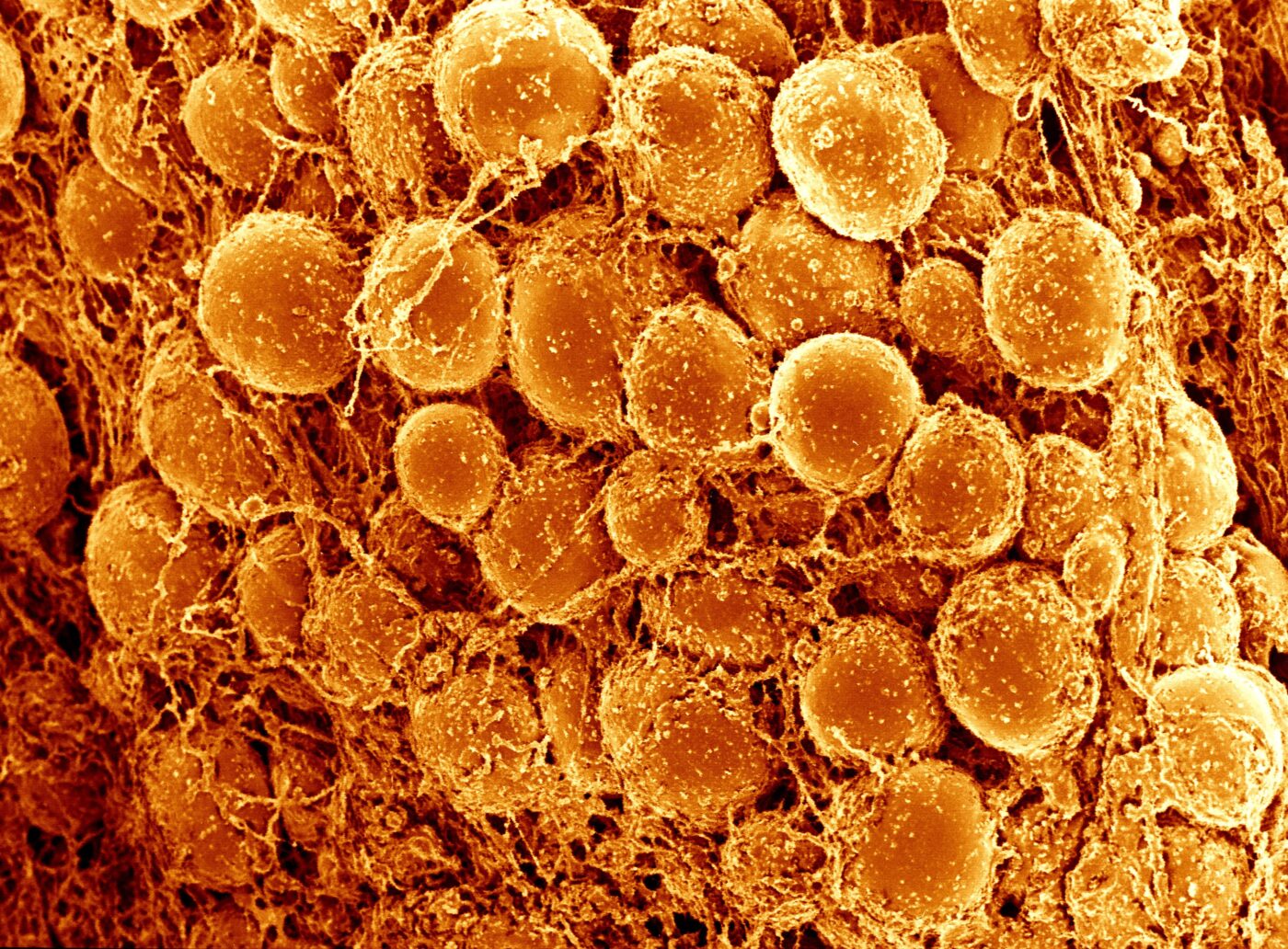
Unlike white adipose tissue, which stores excess energy in triglycerides, brown adipose tissue is packed with mitochondria and dissipates energy as heat. In rodents, activating that tissue can increase energy expenditure, improve glucose metabolism and protect against some consequences of obesity.
The concept has therefore generated an obvious therapeutic ambition: if medicine could safely persuade more human fat to burn energy rather than store it, perhaps brown adipose tissue could become another route into obesity, diabetes and cardiovascular prevention.
Human biology has made that ambition much harder than the mouse experiments initially suggested.
Adults have relatively small and highly variable reserves of detectable brown fat. Activity changes with age, body composition, sex and environmental temperature, and some of the most reliable ways to activate the tissue, particularly cold exposure and adrenergic stimulation, are difficult to convert into practical chronic treatments.
The new Nature study does not solve those problems.
It makes the target harder to dismiss.
Researchers analysed clinical records from more than 100,000 adults who had undergone FDG-PET/CT scans at Memorial Sloan Kettering Cancer Center. Because metabolically active brown fat takes up glucose, the imaging method provides an unusual opportunity to identify the tissue in humans.
The investigators had previously reported that people with detectable brown fat appeared to have lower prevalence of several cardiometabolic diseases.
The new work expands that analysis substantially.
Among 101,243 patients, 8,897 had detectable brown fat. The researchers then matched those patients with 17,405 people without detected brown fat according to age, sex, BMI and ambient temperature, factors that can strongly affect whether the tissue is visible on imaging.
The first result broadly confirmed the earlier signal.
People with detectable brown fat had lower prevalence of several cardiometabolic diseases.
The research team then widened the analysis beyond the limited set of diagnoses examined previously, screening hundreds of diagnostic codes without restricting the search to metabolic disease.
Cardiovascular disorders remained prominent among conditions associated with brown-fat status, but psychiatric diagnoses also emerged, including anxiety and depression.
That finding is intriguing but particularly easy to overinterpret.
The study does not show that brown fat protects mental health, and there is no basis for treating brown-fat activation as a psychiatric intervention. The association could reflect shared biological, behavioural or demographic factors that the retrospective analysis could not fully capture.
The cardiometabolic findings have a stronger existing biological foundation.
Patients with brown fat had lower glucose and HbA1c levels, lower triglycerides, higher HDL cholesterol and more favourable inflammatory markers after statistical adjustment. The researchers also observed evidence of healthier white-fat distribution and more favourable cardiac imaging measures.
Yet simply finding brown fat still treats the tissue as binary.
Biology is unlikely to work that way.
One person may have a small amount of weakly active tissue while another has substantially greater thermogenic activity. To capture that difference, researchers developed a machine-learning method that could quantify metabolic activity across brown-fat depots on thousands of scans.
That is where the study becomes particularly relevant to precision medicine.
Greater total brown-fat activity was associated with lower odds of type 2 diabetes, atrial fibrillation, coronary heart disease and congestive heart failure.
Activity in particular anatomical depots also appeared to matter, with axillary brown fat showing especially strong associations with favourable metabolic outcomes and healthier distribution of white adipose tissue.
The result suggests that the amount and location of active brown fat could be biologically more meaningful than simply whether a PET scan happens to detect it.
It is still association.
The study cannot tell whether active brown fat directly protects against cardiovascular disease or whether metabolically healthier people are simply more likely to retain active brown fat.
That distinction is fundamental.
Brown adipose tissue declines with increasing age and BMI, both of which independently influence cardiovascular risk. Temperature changes its activity. Cancer and cancer therapies may affect metabolism. Physical fitness, genetics and hormonal factors may influence both brown-fat activity and disease.
The investigators adjusted extensively for measured differences and created a propensity-score-matched cohort, but statistical matching cannot eliminate unknown confounding.
The source population adds another limitation.
These were not 100,000 people recruited from the general population for a cardiovascular study. They were adults undergoing PET-CT imaging at a major cancer centre.
That gave researchers access to an exceptionally large imaging dataset, but it also means the cohort differs from the population in which a future metabolic therapy would ultimately be used.
Cancer diagnoses and treatments could influence brown-fat biology in ways that remain incompletely understood.
The imaging method has its own limitations.
FDG-PET/CT measures glucose uptake rather than heat production directly. Brown fat can use substrates other than glucose, and the relationship between FDG uptake and thermogenic capacity is not perfect.
Participants were also not deliberately exposed to cold before imaging, which means some people classified as having no detectable brown fat may simply have had inactive tissue at the time of the scan.
Those limitations make the second half of the study more important.
Instead of stopping at association, the investigators searched medication records for drugs that were more commonly used by people with detectable brown fat.
Angiotensin receptor blockers emerged from that analysis.
These medicines are already widely used for conditions including hypertension, heart failure and kidney disease. The researchers then selected losartan and tested whether the association could be reproduced biologically.
In cultured brown adipocytes, losartan increased brown-fat activity.
In mice, the drug increased thermogenic activity and whole-body energy expenditure.
Mechanistically, the effect appeared to depend on PPAR-gamma signalling and was distinct from the pathway through which losartan conventionally blocks angiotensin II signalling to lower blood pressure.
That separation is potentially significant because it suggests the brown-fat effect may not simply be a downstream consequence of reducing blood pressure.
It also makes losartan an unusually appealing repurposing candidate.
Drug development normally requires years of toxicology, dose finding and safety work before a novel compound reaches large populations. Losartan has already been prescribed for decades and is available generically across much of the world.
If standard therapeutic exposure were eventually shown to activate brown fat in humans, developers could begin from a very different position than they would with an entirely new molecule.
But that sentence still begins with if.
The Nature study did not administer losartan to people to test brown-fat activation.
The medication analysis was observational, meaning patients taking angiotensin receptor blockers may differ systematically from those receiving other medicines. The experimental validation occurred in cells and animals.
There is therefore no evidence from this study that prescribing losartan to a person without an established cardiovascular indication will activate enough brown fat to change weight, diabetes risk or cardiovascular outcomes.
There is equally no justification for changing hypertension treatment because of brown fat.
That boundary is important because drug repurposing stories can move from mechanism to therapeutic enthusiasm with remarkable speed.
The metabolic field has already explored one version of pharmacological brown-fat activation in humans.
Mirabegron, a beta-3 adrenergic receptor agonist approved for overactive bladder, can increase brown-fat activity and energy expenditure. Small human studies have also reported improvements in insulin sensitivity and some metabolic measures.
But stimulation of adrenergic pathways can affect heart rate and blood pressure, particularly at higher doses, complicating its development as a chronic metabolic treatment.
A 2024 systematic review found evidence that mirabegron can increase brown-fat activity and resting energy expenditure but also identified increases in heart rate and other cardiovascular parameters.
That history explains why losartan is intriguing.
A drug already used to lower blood pressure would represent a very different pharmacological route into brown-fat biology if the effect translates to humans.
The next experiment therefore matters far more than the retrospective association.
A prospective trial would need to determine whether ordinary clinically tolerated doses of losartan measurably increase brown-fat activity in humans compared with an appropriate control. Researchers would then need to determine whether any increase is large enough to affect insulin sensitivity, glucose control, energy expenditure, visceral adiposity or other meaningful metabolic endpoints.
Only after that would harder questions become reasonable.
Does deliberately increasing brown-fat activity lower the incidence of diabetes?
Does it improve heart failure or atrial fibrillation risk?
Does it help people lose clinically meaningful weight?
Does it add benefit in patients already receiving modern obesity and diabetes treatments?
And does the effect persist?
Those questions are especially important because the therapeutic landscape surrounding obesity and cardiometabolic disease has transformed.
GLP-1-based therapies can now produce weight loss and cardiovascular benefit at a magnitude that any new metabolic strategy will have to confront.
Brown-fat therapeutics will therefore not be evaluated against therapeutic emptiness.
A drug that increases energy expenditure modestly but produces little meaningful change in outcomes may be biologically fascinating without becoming clinically important.
Repurposing could change that calculation because cost, safety history and accessibility matter too.
An inexpensive generic medicine producing even a moderate metabolic benefit could have a different policy value from a novel high-cost therapy producing the same effect.
But price does not compensate for missing evidence.
This is where the machine-learning component of the study may ultimately matter as much as losartan itself.
The researchers demonstrated that large archives of routinely collected medical imaging can be combined with diagnostic information and medication records to search for previously unrecognised biological associations.
Instead of beginning with one drug and asking whether it activates brown fat, investigators can begin with thousands of patients, examine which medications correlate with the phenotype and then test plausible candidates experimentally.
That reverses part of the conventional drug-development process.
The approach could theoretically identify unexpected metabolic properties of other existing medicines, particularly when the biological phenotype is difficult to measure prospectively in very large populations.
It also illustrates why real-world data and machine learning are most valuable when they lead back to experimental biology.
An algorithm can find an association.
Cultured cells and animals can test mechanism.
Only prospective human studies can determine whether the resulting intervention works.
The Nature study successfully moves through the first two stages.
The third remains open.
Brown fat is therefore closer to becoming a credible therapeutic target than a clinical therapy.
That distinction should not weaken the significance of the research.
It clarifies it.
The study connects a large human phenotype with disease associations, quantifies brown-fat activity at scale and uses medication data to generate a drug-repurposing hypothesis that can now be tested directly.
If losartan fails in humans, the platform may still identify another candidate.
If it succeeds, one of the most familiar medicines in cardiovascular care could acquire a second biological story that was hiding in patient data all along.
The signal is not that losartan should be prescribed to activate brown fat. It is that brown fat has moved far enough from metabolic curiosity that testing whether existing drugs can target it has become a serious clinical-development question.
