
IPM Take
Hypertension has a strange advantage over many cardiovascular diseases: it is cheap and simple to detect.
And yet hundreds of millions of people still do not know they have it.
WHO estimates that 1.4 billion adults aged 30 to 79 were living with hypertension in 2024, while only around 23% had it under control.
Part of the problem is clinical. A rushed measurement, the wrong cuff, one reassuring reading or years spent describing pressure as merely “borderline” can delay intervention.
But part of it is political.
Three-quarters of the salt consumed in the UK is already present in packaged and everyday foods. Asking patients to “eat less salt” while designing a food environment that delivers much of it before the salt shaker reaches the table is prevention by personal responsibility rather than prevention by design.
Blood pressure control is not just about prescribing the right tablet.
It starts with measuring the right number and building a system in which that number is difficult to ignore.
Executive Summary
Hypertension remains one of the most important modifiable cardiovascular risk factors, contributing to heart attack, stroke, heart failure and kidney disease. Most people with high blood pressure have no symptoms, making measurement central to detection.
One of the most common mistakes is treating a single clinic reading as definitive. NICE recommends confirming clinic blood pressure of 140/90 mmHg or higher with ambulatory monitoring, or home monitoring when ambulatory monitoring is unsuitable. Hypertension is confirmed with a daytime ambulatory or home average of at least 135/85 mmHg.
European guidance has also changed the conversation around readings below the traditional hypertension threshold. The 2024 ESC guideline retained hypertension at 140/90 mmHg or above but introduced an “elevated BP” category covering office readings of 120-139/70-89 mmHg, reflecting the continuous relationship between blood pressure and cardiovascular risk.
Measurement technique matters. Caffeine, smoking or exercise within 30 minutes, a full bladder, talking during measurement, inadequate rest, unsupported posture and the wrong cuff size can all distort readings.
The prevention message is therefore broader than “know your numbers.” Health systems need accurate measurement, repeated confirmation, home monitoring where appropriate and earlier action on cardiovascular risk before severe hypertension develops.
Why it matters
- HTA bodies: Validated home blood pressure monitors and digital hypertension interventions should be assessed not simply on measurement accuracy, but on whether they improve diagnosis, adherence, sustained blood pressure control and cardiovascular outcomes.
- Payers: Hypertension is inexpensive to detect compared with the cardiovascular and renal complications of uncontrolled disease. Better case-finding, home monitoring and sustained treatment could shift spending upstream, where prevention is cheaper than stroke, heart failure or kidney failure.
- Industry / innovation partners: Connected cuffs, remote monitoring and decision-support systems have significant potential, but the value lies in validated measurements and actionable clinical pathways. More blood pressure data without better follow-up simply creates a larger digital waiting room.
High blood pressure rarely announces itself.
There is usually no pain, dramatic symptom or moment when someone can feel their cardiovascular risk increasing.
That silence is exactly what makes apparently small mistakes consequential.
WHO estimates that 44% of adults with hypertension globally remain unaware that they have it. Untreated hypertension increases the risk of heart attack, heart failure, stroke and kidney damage.
Yet the first mistake can happen before a diagnosis is even considered.
The number is only as reliable as the measurement
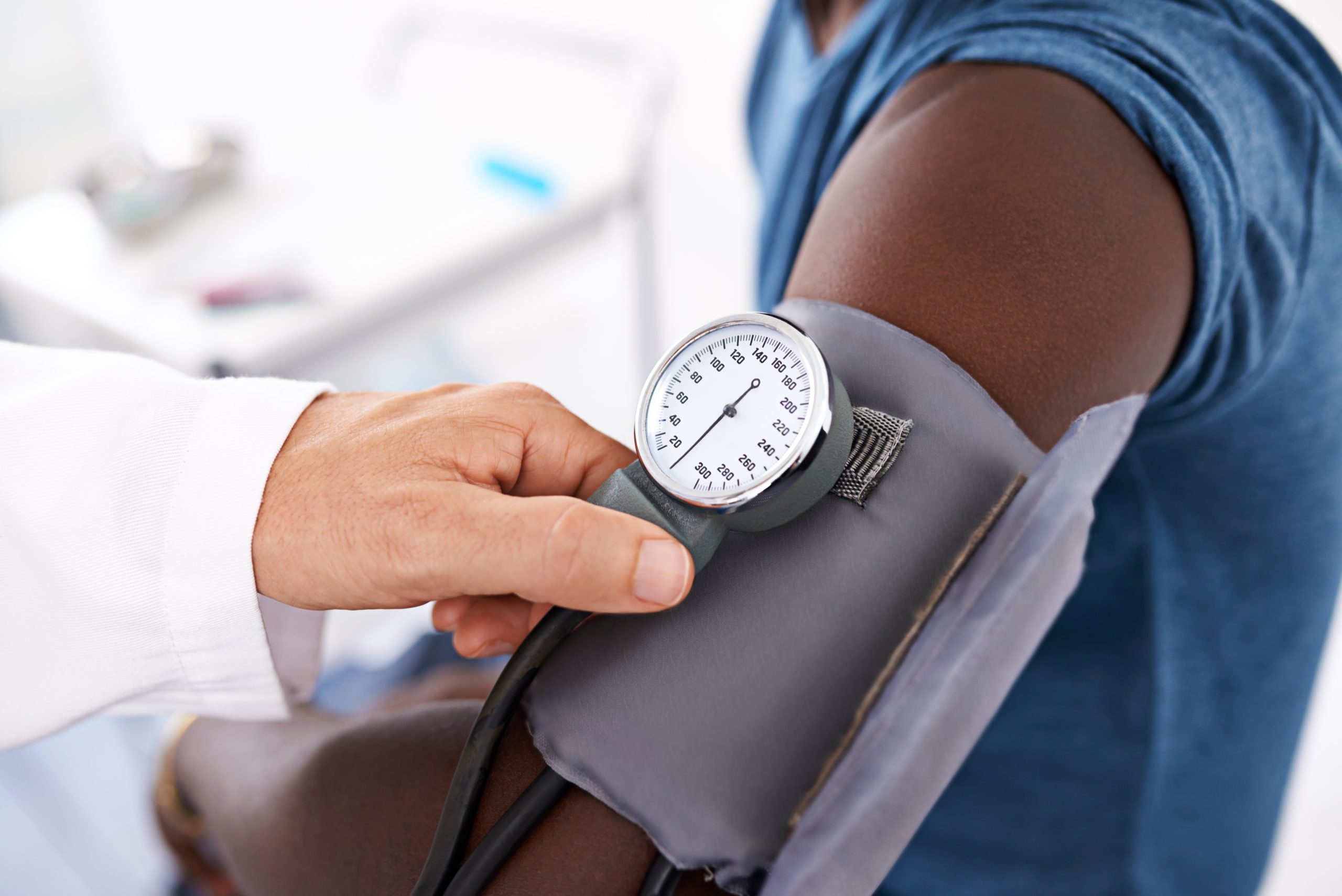
Blood pressure looks objective: two numbers appear on a screen.
Obtaining those numbers accurately is less straightforward.
The American Heart Association recommends avoiding caffeine, smoking and exercise for at least 30 minutes before measurement, emptying the bladder and sitting quietly for approximately five minutes. The back should be supported, feet should remain flat on the floor and the arm should be supported at heart level. The cuff should fit correctly and sit directly on bare skin.
These are not ceremonial details.
Poor positioning alone can shift a reading by several millimetres of mercury. A cuff that is too small can produce an artificially high result. Talking, rushing into the appointment or measuring immediately after coffee or exercise can also distort the result.
The opposite mistake is assuming one normal reading closes the case.
Blood pressure varies throughout the day and can differ substantially between the clinic and everyday life. White-coat hypertension can push clinic readings upward, while masked hypertension can leave office measurements looking reassuring despite higher pressure outside the clinic.
That is why both NICE and ESC guidelines place substantial emphasis on out-of-office measurement. NICE recommends confirming suspected hypertension with ambulatory or home measurements rather than diagnosing uncomplicated hypertension from one clinic reading.
ESC guidance recommends two home measurements per session, one to two minutes apart, morning and evening for at least three days and ideally up to seven, using a validated upper-arm device.
The message is simple: blood pressure is a pattern, not a photograph.
The same is increasingly true of the threshold itself.
The ESC still defines hypertension as office blood pressure of at least 140/90 mmHg. But in 2024 it created a new category of elevated blood pressure, covering systolic pressure from 120 to 139 mmHg or diastolic pressure from 70 to 89 mmHg.
That does not mean everyone with 125/75 mmHg needs medication.
It means “not hypertensive” should not automatically be translated into “no cardiovascular risk.”
For people already receiving blood-pressure-lowering medication, the ESC now recommends aiming for systolic pressure of 120-129 mmHg for most patients when tolerated, with exceptions for circumstances such as significant frailty, symptomatic orthostatic hypotension or very advanced age.
The biggest lifestyle mistake may be thinking salt comes from the salt shaker
Once hypertension is identified, attention usually turns to behaviour.
Some advice is well established: maintain physical activity, avoid tobacco, moderate alcohol, manage weight where relevant and reduce excessive sodium intake.
But even here, the framing can be misleading.
The NHS recommends no more than 6 g of salt per day for adults. Yet approximately three-quarters of the salt consumed comes from foods people buy rather than salt deliberately added at the table. Bread, breakfast cereals, meat products, ready meals, sauces, restaurant food and takeaways can all contribute.
That makes hypertension prevention partly a food-policy problem.
A patient can stop adding salt to dinner and still consume a high-sodium diet.
Similarly, telling someone to “manage stress” or “exercise more” does little to address whether they can access preventive care, afford healthier food or regularly monitor blood pressure at home.
The clinical response and the population response therefore need to meet in the middle.
Individuals need accurate measurements and effective treatment.
Health systems need opportunistic screening, validated devices, follow-up systems and affordable medicines.
Governments need food policies capable of reducing excess sodium exposure at scale.
And clinicians need to stop treating “borderline” as a synonym for irrelevant.
Hypertension does not suddenly become dangerous because the display changes from 139 to 140.
Cardiovascular risk was already building before the machine crossed the line.
