
IPM Take
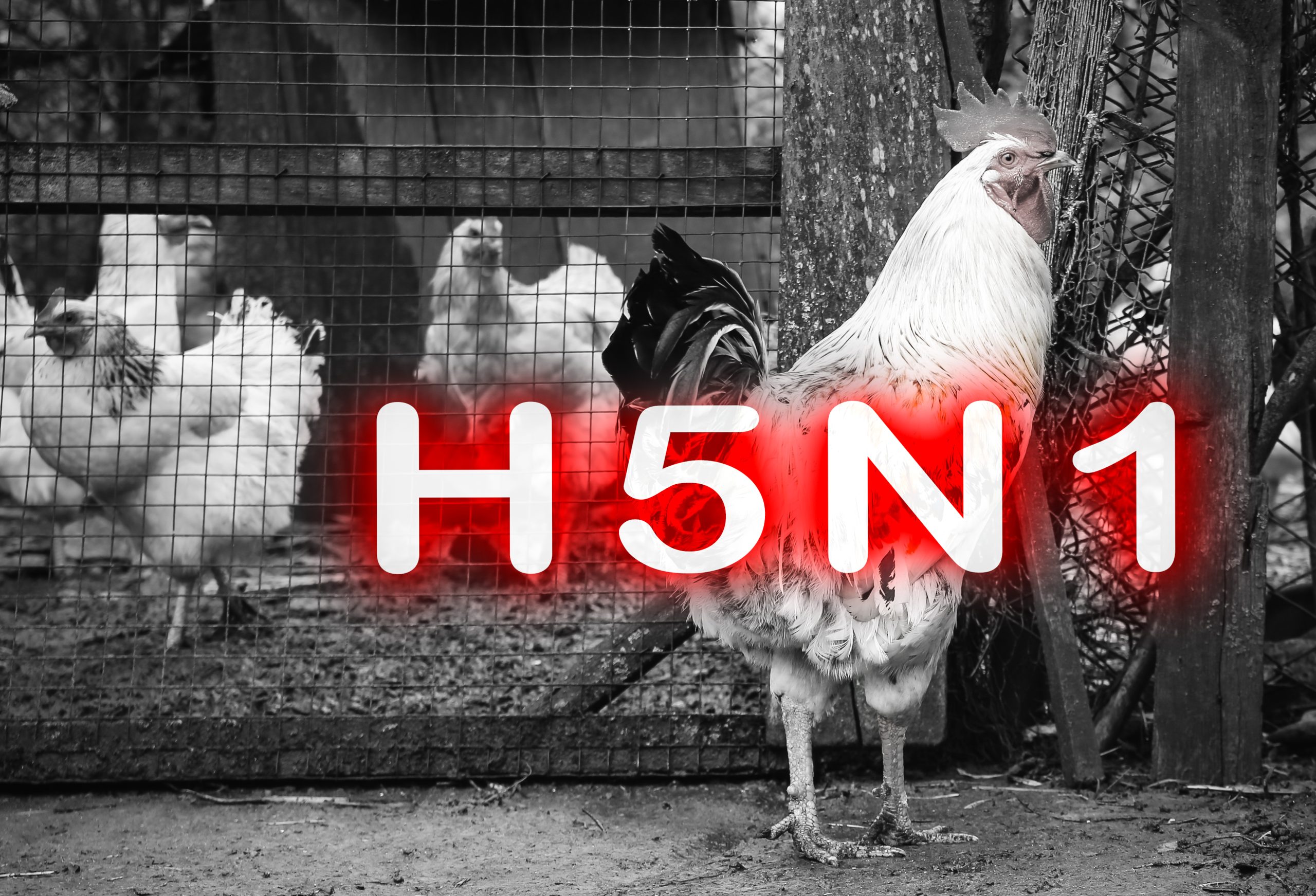
Australia has spent years preparing for H5 bird flu. In June, preparation became a live test. The first detection is not proof that preparedness failed. It is the point at which preparedness has to become visible: a sick bird is reported, laboratories confirm the virus, wildlife surveillance expands, poultry producers know what to do, and the public receives advice that is calm enough to prevent panic but clear enough to prompt action.
Executive Summary
Australia confirmed H5 high-pathogenicity avian influenza in a brown skua, a migratory seabird found sick near Esperance in Western Australia. It is the first detection in Australia of the highly pathogenic H5 strain that has been circulating internationally.
A second bird, a giant petrel from the same region, returned a positive H5 result at a Western Australian laboratory and was undergoing confirmatory testing at CSIRO’s Australian Centre for Disease Preparedness. At the time of the announcement, there were no detections in poultry and no evidence of wider mortality in other species. Authorities said the current risk to people remained low.
Why it matters
- Public authorities: Need to turn years of planning into rapid wildlife surveillance, coordinated reporting and transparent communication.
- Poultry and veterinary sectors: Need robust biosecurity, practical reporting pathways and support to stop spillover into commercial or backyard flocks.
- Communities: Need simple advice: avoid contact with sick or dead birds, report unusual wildlife events quickly and understand that poultry meat and eggs remain safe when handled and cooked correctly.
The first alarm did not come from a hospital. It did not come from a poultry shed. It came from a sick bird on a remote stretch of Western Australian coastline.
That is how One Health works in real life. A migratory seabird becomes the first signal in a chain involving wildlife carers, veterinarians, laboratories, farmers, state authorities and national government. The response will only be as strong as the connection between those links.
Australia’s first confirmed H5 detection is significant because the country had prepared for this moment for years. The federal government says it has invested more than A$113 million in H5 preparedness, set up a cross-government taskforce and conducted national simulation exercises. Western Australia is now leading the on-the-ground response, with the federal government coordinating nationally.
But plans are only useful when they translate into practical action.
The immediate task is not to dramatise a single wildlife detection into a human-health emergency. Authorities are clear that the current risk to people is low. There are no poultry detections, and Australia remains free from highly pathogenic avian influenza in poultry under international standards.
The task is to move early. That means finding out whether infection is present beyond the first confirmed bird, keeping wild birds away from poultry feed and water, helping farmers and wildlife carers recognise warning signs, and making reporting so easy that no one hesitates.
The stakes are wider than human infection. H5 avian influenza can cause severe disease and high mortality in birds, threaten poultry production and place pressure on already vulnerable wildlife populations. The first public-health intervention is therefore not a medicine. It is information that travels faster than the virus.
For IPM, this is a One Health readiness test with no room for symbolic preparedness. The measure of success will be whether a remote wildlife signal triggers the right response before the problem reaches farms, food systems or people.
