
IPM Take
Cardiometabolic prevention has become increasingly interested in expensive solutions to a problem that is still heavily shaped by ordinary food.
That does not make beans a substitute for statins, antihypertensives, diabetes medicines or obesity treatment. Nor does a cross-sectional nutrition study prove that eating lentils prevents cardiovascular disease.
But the new US data make a different policy point difficult to ignore.
Average pulse intake among more than 46,000 adults was only 0.42 ounce-equivalents per day. Against that low baseline, every additional ounce-equivalent was associated with 19% lower prevalence of cardiometabolic disease after researchers accounted for a wide range of demographic, behavioural and dietary characteristics.
The evidence is associative, not causal, and individual cardiovascular, coronary, stroke and diabetes outcomes did not remain statistically significant in the most fully adjusted model. That nuance matters.
What also matters is that the intervention being discussed is not a patented molecule or specialist programme. Pulses are already recommended within plant-forward dietary patterns, can replace more refined or less nutrient-dense foods, and are relatively affordable and culturally familiar across many cuisines.
The policy problem is therefore not discovering that beans exist.
It is designing food environments, assistance programmes and clinical nutrition pathways that make healthy choices normal enough to be eaten.
Executive Summary
A study published in Current Developments in Nutrition examined the relationship between pulse intake and cardiometabolic disease among 46,939 US adults participating in the National Health and Nutrition Examination Survey between 1999 and 2018.
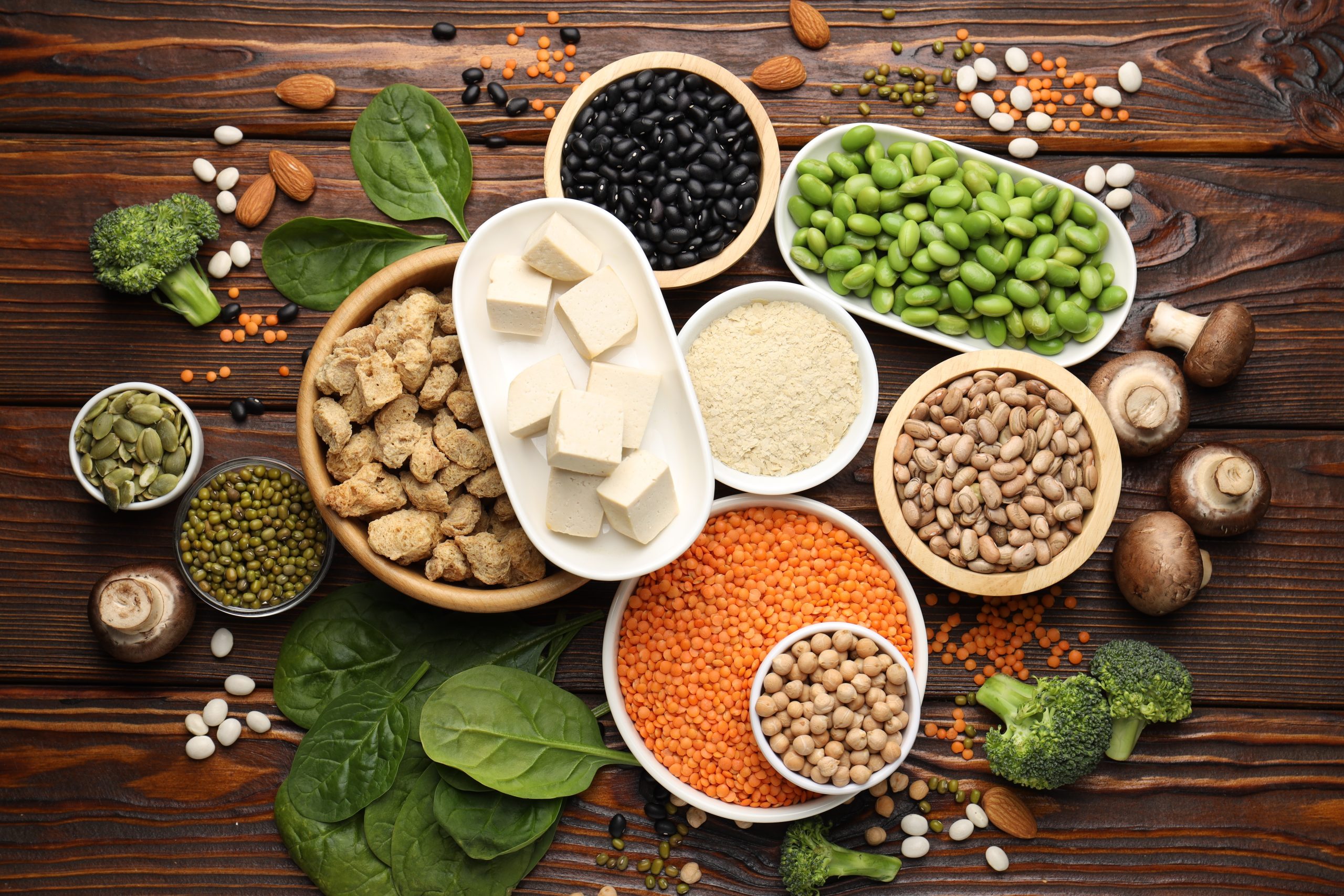
Pulses included foods such as dry beans, chickpeas, lentils and dry peas.
Average daily intake across the population was only 0.42 ounce-equivalents, with a median of 0.25 ounce-equivalents, indicating that most US adults consumed relatively little.
After adjustment for age, sex, income, education, race and ethnicity, physical activity, smoking, BMI, survey cycle, energy intake and multiple dietary factors, every additional 1 ounce-equivalent of pulses per day was associated with 19% lower prevalence of cardiometabolic disease, with an odds ratio of 0.81.
The finding should not be interpreted as a 19% reduction in future disease risk because the study was cross-sectional. Diet and disease were assessed within the same observational framework, meaning people may have changed what they ate after receiving a diagnosis and residual confounding cannot be excluded.
The fully adjusted association was significant for the combined cardiometabolic outcome, but not separately for cardiovascular disease, coronary artery disease, stroke or diabetes. The researchers noted that the combined endpoint provided greater statistical power.
Sensitivity analyses excluding BMI produced a 21% lower prevalence of cardiometabolic disease and a 20% lower prevalence of diabetes per additional ounce-equivalent of pulses, but these analyses remain observational.
Importantly, researchers did not find statistically significant evidence that the pulse-disease association differed systematically across sociodemographic groups, suggesting that the potential relevance of pulses was not confined to one population subgroup.
The study was funded by the USDA Agricultural Research Service Pulse Crop Health Initiative. The funder was reported to have had no role in study design, analysis, interpretation or publication decisions.
Why it matters
- HTA bodies: Food-based prevention does not fit neatly into conventional technology assessment because the effect often depends on what a food replaces. Future evaluation of Food Is Medicine and nutrition-prescription programmes should therefore consider substitution, adherence, affordability and clinical outcomes rather than assuming that an isolated food has a pharmacological effect.
- Payers: Pulses are particularly relevant to prevention programmes because they combine nutritional value with comparatively low cost. If Food Is Medicine programmes expand, beans, lentils and chickpeas offer an obvious category for testing whether subsidies, produce prescriptions, medically tailored groceries or nutrition support can improve sustained diet quality and cardiometabolic outcomes.
- Industry / innovation partners: The commercial opportunity is less about turning pulses into another premium health product and more about convenience, acceptability and integration into everyday meals. Products and services that make minimally processed pulse-based foods easier to prepare and substitute for lower-quality options may have greater public-health relevance than positioning a single ingredient as a metabolic “superfood”.
Nutrition policy often becomes most complicated where the food itself is simplest.
Beans, lentils, chickpeas and dry peas contain no new pharmaceutical mechanism, require no algorithm and have been eaten for centuries across cuisines from the Mediterranean and Middle East to South Asia, Latin America and Africa. Yet they sit unusually close to several priorities now dominating cardiometabolic policy: increasing fibre intake, shifting towards plant-rich diets, improving food affordability and reducing dependence on highly processed foods.
A large US analysis suggests that this familiar food group may deserve more attention.
Researchers used two decades of data from the National Health and Nutrition Examination Survey to examine usual pulse intake among 46,939 adults and compare it with the prevalence of cardiometabolic disease, including cardiovascular disease, coronary artery disease, stroke and diabetes.
Consumption was strikingly low.
Average intake was just 0.42 ounce-equivalents per day, with a median of 0.25 ounce-equivalents. Put differently, pulses remained a minor component of the average American diet rather than a routine source of protein and fibre.
When researchers adjusted for demographic characteristics, physical activity, smoking, BMI and multiple aspects of the rest of the diet, each additional ounce-equivalent of pulses consumed per day was associated with a 19% lower prevalence of cardiometabolic disease.
That is the headline finding.
It is also where interpretation needs to become more careful than the headline.
The study was cross-sectional rather than prospective. Researchers did not assign people to eat beans and watch what happened over ten years. Instead, they examined dietary patterns and existing disease status within a large population dataset.
That means the analysis cannot prove that pulses prevented disease.
People with cardiovascular disease or diabetes may have changed their diets after diagnosis. People who eat more pulses may differ from people who do not in ways that statistical adjustment cannot fully capture. Diet itself was measured through dietary recall, which introduces additional uncertainty.
The researchers acknowledge those limitations explicitly.
The fully adjusted results also became less dramatic when the combined cardiometabolic endpoint was separated into individual diseases.
Greater pulse intake was associated with lower prevalence of the combined outcome, but associations with cardiovascular disease, coronary artery disease, stroke and diabetes separately did not reach conventional statistical significance after the fullest adjustment for dietary factors.
That distinction matters because it prevents the data from supporting claims that a daily serving of lentils will prevent a heart attack or diabetes.
The combined endpoint contained more cases and therefore offered greater statistical power.
Still, the study contributes to a broader nutrition question that is increasingly important in cardiology: should prevention continue to be communicated primarily through nutrients, or should policy focus more heavily on the foods people actually eat?
The American College of Cardiology’s 2026 scientific statement on nutrition moves firmly toward the latter approach.
Rather than reducing cardiovascular nutrition to individual nutrients, the statement emphasises overall dietary quality, minimally processed plant foods, fibre-rich foods, healthy protein sources and dietary patterns such as Mediterranean, DASH and vegetarian approaches.
Pulses fit naturally into that framework.
They provide plant protein and dietary fibre while contributing relatively little saturated fat. They can also replace foods higher in refined carbohydrate, processed meat or other less favourable components depending on how they are incorporated into a meal.
That word, replace, is central to interpreting nutrition evidence.
Eating lentils in place of a refined carbohydrate is not the same intervention as adding lentils on top of an already energy-sufficient diet. A bowl of beans replacing processed meat creates a different nutritional change from beans added to a meal that otherwise remains identical.
Food effects are partly substitution effects.
This is one reason nutrition science struggles when it tries to make foods behave like medicines. A drug can often be compared with placebo while everything else remains broadly stable. Eating more of one food usually means eating less of another.
Clinical trials cited by the study show that those substitutions can matter.
Short-term feeding experiments have found that replacing part of rice or potato carbohydrate with lentils can reduce post-meal glucose responses. Other interventions have reported changes in LDL cholesterol, blood pressure or glycaemic markers.
But the broader evidence is not perfectly consistent.
The authors note that meta-analyses have found favourable effects of pulses on some postprandial glucose measures while longer-term glycaemic findings are less clear. Evidence relating pulse consumption to blood pressure has also been mixed, and previous pooled observational evidence has not consistently demonstrated lower cardiometabolic incidence or mortality.
That makes the current analysis supportive rather than definitive.
Its strongest policy contribution may therefore have less to do with proving the cardiovascular potency of pulses and more to do with demonstrating how little Americans eat of a food group that already fits mainstream dietary recommendations.
Current US dietary policy promotes whole, nutrient-dense foods and includes beans, peas and lentils among recommended food categories. Yet federal dietary surveillance continues to show that most Americans consume less than recommended amounts of these foods.
The gap between recommendation and consumption is where public-health policy becomes more interesting than nutrition advice.
Telling people to eat more lentils is easy.
Making that happen at population scale requires food to be available, affordable, convenient, socially familiar and easy to prepare.
The study’s authors therefore move beyond nutrient education and propose interventions such as accessible recipes, clearer substitution guidance, greater availability of pulse-rich foods, workplace or campus initiatives and integration into food-assistance programmes.
That is a meaningful shift in emphasis.
Nutrition policy has historically placed considerable responsibility on the individual: know what is healthy, read the guidance and make a better choice.
But information does not cook dinner.
Food choices are shaped by cost, time, cooking skills, household preferences, supermarket availability, institutional menus and the foods people have grown up eating.
The advantage of pulses is that many of those barriers may be more tractable than they are for other recommended foods.
Dried beans and lentils can be inexpensive and shelf-stable. Canned varieties dramatically reduce preparation time. Pulses are already embedded in many culturally familiar dishes, including dal, hummus, bean stews, chilli, soups and numerous rice-and-bean combinations.
That makes them unusually compatible with culturally tailored nutrition policy.
The study also found no convincing evidence that the relationship between pulse consumption and cardiometabolic disease differed across income, education, age, sex or race and ethnicity.
That should not be interpreted as proof that everyone receives identical benefit.
Subgroup analyses were exploratory, and some estimates were imprecise.
But it undermines the idea that pulses belong only to one demographic or dietary identity. The public-health opportunity may be broad even if the recipes, messaging and implementation strategies need to differ.
The economic aspect deserves particular attention.
Cardiometabolic medicine is entering an era of increasingly effective but increasingly expensive interventions. Anti-obesity medicines, lipid-lowering therapies, diabetes drugs and cardiovascular technologies can produce major clinical benefits, but they also create difficult reimbursement and budget questions.
Food is not an alternative to those therapies when treatment is indicated.
The false choice between lifestyle and medicine has already done enough damage.
Yet prevention policy becomes economically incoherent if it invests heavily in downstream treatment while underinvesting in inexpensive conditions that make healthier diets easier to sustain.
Beans are not going to solve the cardiometabolic epidemic.
But the fact that such a basic, low-cost food remains underconsumed raises a legitimate question about what health systems mean when they say nutrition is foundational to prevention.
If diet matters clinically, then access to healthy food cannot remain outside the implementation conversation.
This is one reason Food Is Medicine programmes have gained momentum.
Produce prescriptions, medically tailored groceries and food-support interventions attempt to bridge clinical care and food access by treating nutrition as something health systems can help deliver rather than merely recommend.
Pulses are well suited to that logic because they are inexpensive, nutrient-dense, shelf-stable and adaptable across dietary patterns.
But the same evidence standards should apply.
If a health system pays for nutrition interventions, those programmes should eventually demonstrate that they improve meaningful outcomes such as blood pressure, glycaemia, lipid levels, medication use, hospitalisation or quality of life, not simply that participants received healthy food.
The new NHANES study cannot answer those questions.
What it does provide is a strong population-level hypothesis worth testing.
People who eat more pulses appear to have lower prevalence of cardiometabolic disease, even after accounting for numerous other dietary and behavioural factors. Consumption remains low. The food is already compatible with cardiovascular nutrition guidance. And the barriers to greater use are likely to involve behaviour and food environments as much as biomedical uncertainty.
The funding also deserves transparency.
The research received support from the USDA Agricultural Research Service Pulse Crop Health Initiative, and the paper states that the funder had no role in design, analysis, interpretation or publication. Several authors separately disclosed relationships with food-industry organisations unrelated to the study funding.
That does not invalidate the results, but disclosure matters particularly in nutrition research because agricultural and commercial interests frequently fund studies of specific food categories.
Independent replication and prospective studies will therefore remain important.
The next research step should not simply be another cross-sectional analysis showing that people who eat more lentils are healthier.
The more useful question is whether increasing pulse consumption through realistic interventions actually improves cardiometabolic outcomes, which foods it should replace, which populations benefit most and whether those changes can be sustained outside a controlled trial.
That is where nutrition evidence becomes health policy.
The current study does not justify putting beans on prescription pads.
It does justify asking why a food category that is affordable, shelf-stable, compatible with major cardiovascular dietary recommendations and associated with better cardiometabolic profiles remains such a small part of the American diet.
If cardiometabolic prevention is serious about food, the test is no longer whether health systems can tell people that beans and lentils are healthy. It is whether policy can make healthy food sufficiently accessible, convenient and normal that people actually eat it.
